
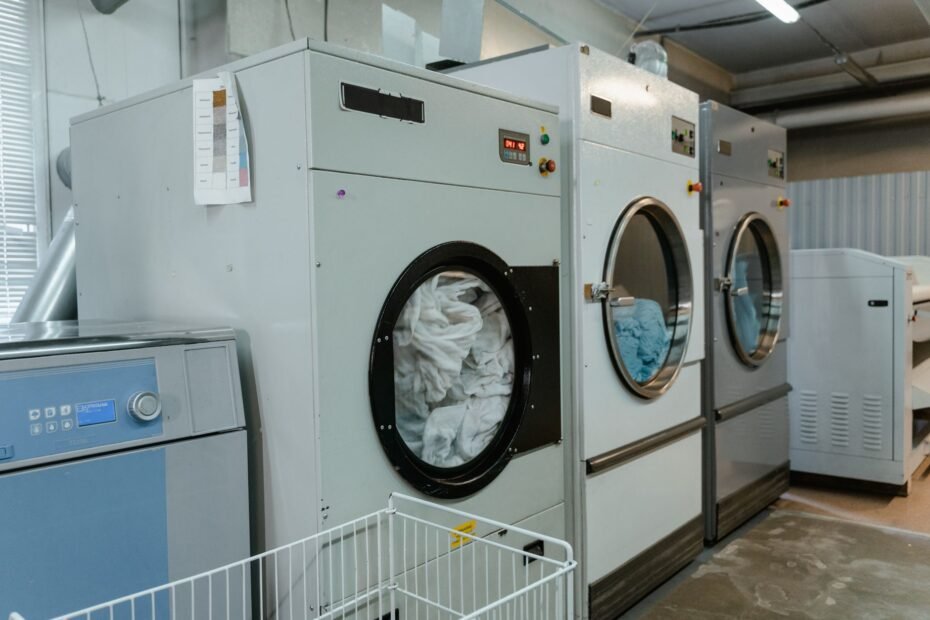
A restricted vent or weak airflow can leave fabric damp and force repeated cycles because moisture cannot escape fast enough. Your cause can stem from restricted exhaust airflow, a packed or extra-wet load, or weak heat. An ordered inspection separates routine upkeep from a repair need.
This practical overview covers load habits, washer spin performance, vent checks, heat clues, and the point where your dryer or ductwork needs skilled service.
Slow Drying Starts With Airflow, Load Size, or Heat
A hot drum with damp fabric points toward trapped moisture rather than a lack of warmth. Towels, jeans, comforters, and thick cotton hoodies hold more water than T-shirts, so your dryer needs more time to move that moisture outdoors.
Your dryer not drying clothes completely can trace back to an airflow restriction in the exhaust path. Lint can narrow the route between the drum and the exterior dryer vent cap, leaving humid air inside the appliance instead of sending it outside.
Stop using the dryer after a burning smell, an unusually hot cabinet surface, a hot laundry room, excess lint near the machine, or weak movement at the exterior flap. These signs point to overheating and a higher dryer-fire risk.
Heat without an exit acts like steam trapped under a lid, leaving clothes hot yet damp. Guidance from the U.S. Consumer Product Safety Commission and the National Fire Protection Association (NFPA) supports lint removal and clear venting as dryer-fire safeguards.
- Sudden time jump: A routine mixed load that suddenly needs two cycles points to a new airflow, heat, or washer-spin issue.
- Hot damp fabric: Warm clothing with wet seams points more strongly to restricted exhaust or a crowded drum than to a failed heat source.
- Cool drum air: Little warmth during operation shifts attention toward a heating, ignition, thermostat, or power-supply fault.
- Weak vent flap: An exterior flap that barely lifts shows that exhaust air is not moving well through the duct.
Drying Relies on Heat, Tumbling, and an Exit for Moisture
Warm air passes through turning fabric, absorbs water, travels past the dryer lint screen, moves through the exhaust duct, and exits outdoors. Your dryer needs heat to release moisture, tumbling to expose fabric, and airflow to carry vapor away.
A clean-looking screen does not clear the full system. A crushed dryer vent hose behind the appliance, a sharp elbow, or a long winding duct can slow exhaust enough to leave clothes still damp after dryer cycle completion.
| What you observe | Most likely direction | Your next check |
|---|---|---|
| Your drum feels hot, but clothing stays damp | Airflow restriction or an overloaded load | Inspect your lint screen, vent hose, and exterior hood |
| Your drum tumbles, but the air stays cool | Heating or electrical fault | Inspect your power supply and arrange appliance service |
| Your cycle ends with a few wet items | Moisture sensor issue or a mixed-fabric load | Inspect sensor bars and separate fabric weights |
| Your laundry room becomes hot | Exhaust air is not leaving effectively | Inspect the vent path and outdoor flap |
Manufacturers such as Whirlpool, LG, Samsung, Maytag, and GE Appliances publish model-specific duct limits because each bend adds resistance. Rigid metal duct holds its shape better than thin flexible plastic or foil-style material, which can sag, kink, and collect lint along your vent path.
Even a clear vent cannot shorten cycles when water-heavy fabrics or overloaded loads enter the drum.
Laundry Conditions Add Time Before the Dryer Starts
Drum space controls air contact
Fabric needs room to lift, fall, and separate. An overloaded dryer drum forms a dense wet bundle, so air reaches outside layers while the center of your load stays heavy and cool.
Your load should tumble freely instead of riding as one packed mass against the drum wall. Leave space around large pieces, especially during loads of bath towels, fleece blankets, or bedding.
Washer spin performance follows the load
A high-efficiency washing machine spin cycle can leave thick fabrics wetter after an unbalanced load slows or shortens the spin. For example, a fitted sheet can wrap around towels and leave you with one heavy, wet bundle for the dryer.
Separate light shirts from jeans, towels, bedding, and bulky outerwear. A higher spin setting suited to the fabric removes more water before drying, while delicate items need lower spin speeds to limit wear.
- Split heavy fabrics: Dry towels and jeans apart from lightweight shirts so thick items do not trap smaller pieces.
- Unbundle bedding: Pause bulky cycles once to shake out sheets, duvet covers, or blankets that have wrapped together.
- Use proper spin: Select the strongest washer spin allowed by the care label for cotton towels and sturdy denim.
- Leave drum room: Keep open space so each item can lift and fall through warm air.
These load checks answer why does my dryer take multiple cycles to dry without sending you straight toward internal parts. A balanced washer load and an open drum also make your airflow observations more reliable.
A Safe Airflow Check Runs From the Screen to the Outdoor Hood
The lint screen needs more than a quick swipe
Remove lint after every load. Dryer-sheet residue can form a thin waxy film over the dryer lint screen, and that film slows airflow even after visible fuzz is gone.
Run water over the screen. Water should pass through readily; pooling on top points to a coating. Wash the screen with warm water and mild dish soap, rinse it, and allow it to dry fully before returning it to the dryer.
The exterior flap shows the end of the path
Unplug your dryer before moving it. Pull the appliance forward only as far as the gas line, electrical cord, and vent connection safely allow, then inspect the dryer vent hose for crushing, disconnection, lint buildup, or tight bends.
- Clear the screen: Remove lint from the screen housing with a suitable dryer-lint brush or vacuum attachment.
- Inspect the hose: Look for pinched sections behind the dryer and have a qualified service provider replace damaged ducting.
- Run a brief cycle: Restore power and operate the empty dryer briefly after reconnecting the vent securely.
- Watch the hood: From a safe outdoor location, confirm that the exterior flap opens and releases warm exhaust.
- Stop at weak flow: A flap that stays shut or barely moves points to a restriction farther along the duct.
Your outdoor vent hood needs to stay clear of lint, nests, snow, leaves, and stuck louvers. Persistent weak exhaust calls for duct cleaning because concealed sections can hold packed lint beyond the reach of your household vacuum.
Heat and Sensor Faults Remain After Airflow Is Restored
Cool air points to the heat source
Clear exhaust airflow removes a major cause, yet the drum can still turn without producing enough heat. An electric dryer can tumble with a failed dryer heating element, thermal fuse, dryer thermostat, loose wiring connection, or loss of part of its 240-volt power supply.
Dryer takes too long to dry one load after the vent path is clear and drum air stays cool points to appliance service. Opening cabinet panels exposes you to live electrical parts and does not belong in routine household maintenance.
Gas heat faults need prompt service
Gas dryers rely on a gas dryer igniter, burner assembly, flame sensor, gas supply, and control system. Repeated clicking, failed ignition, no heat, or a gas odor means you should stop using the dryer and contact a qualified appliance technician or gas utility.
Automatic cycles add a separate possibility. Moisture sensor bars inside the drum read fabric moisture, but dryer-sheet residue can insulate those bars and end the cycle too soon.
| Cycle result | Probable cause | Useful comparison |
|---|---|---|
| Your timed dry heats and finishes the load | Moisture sensor contamination | Clean accessible sensor bars gently |
| Your timed dry stays cool | Heating, ignition, or power fault | Arrange an appliance diagnosis |
| Your timed dry runs hot, but the load remains wet | Vent restriction or overloaded drum | Reinspect the full exhaust route |
Wipe accessible sensor bars with a soft cloth and a small amount of rubbing alcohol, then dry them before use. Timed dry gives you a useful comparison, but it does not replace sensor repair where cleaning does not restore normal cycle results.
Routine Maintenance Has a Clear Limit
Visible lint removal and an inspection of the accessible hose fall within normal household maintenance. Concealed ducts, damaged connections, persistent weak airflow, and complex vent routing need a dryer-vent service professional.
Your dryer taking too long to dry clothes after screen cleaning, load correction, and normal exterior airflow points beyond routine care. A technician can inspect the heating element, thermal cutoff, thermostat, wiring, controls, and gas burner system without exposing you to shock or gas hazards.
- Call vent service: Seek duct cleaning for inaccessible runs, crushed ductwork, weak exterior exhaust, or recurring lint buildup.
- Call appliance service: Arrange diagnosis for cool air, overheating shutdowns, repeated cycle failures, or suspected heating faults.
- Stop for gas odor: Leave the area and contact the gas utility or emergency service from a safe location.
- Document rental issues: Photograph the visible hose, lint buildup, and exterior flap behavior before reporting the concern.
- Report concealed defects: Tell your landlord or property manager about inaccessible ducts, exterior access barriers, damaged connections, and appliance faults.
As a renter, you can clean the dryer lint screen and avoid overloading the drum, but building-owned ductwork does not belong to a do-it-yourself repair. Written symptom details, such as “the flap stays closed during a 10-minute cycle,” give property staff a clear service target.
Final Checks Before Scheduling Service
Start with the path moisture must travel: fabric needs room to tumble, warm air needs a clear route, and exhaust needs to leave outdoors. Your practical order is checking the load and washer spin, cleaning the lint screen, inspecting the accessible vent, and observing the exterior flap.
Dryer taking too long to dry clothes despite those checks needs skilled attention for concealed restrictions or heat faults. Hot damp clothes point toward airflow or load trouble, while cool drum air points toward heating, ignition, thermostat, or power trouble.
FAQ
Why is my dryer taking two cycles to dry clothes?
Two cycles point strongly to restricted vent airflow, a coated lint screen, or an overloaded load that cannot tumble well. Your washer can also leave clothes extra wet after a low spin setting or an unbalanced cycle. Inspect these causes before suspecting an internal dryer part.
Can a clogged dryer vent make clothes take longer to dry?
A clogged dryer vent traps moisture-laden air inside the dryer, so fabric stays damp even while the drum feels hot. Your exterior dryer vent cap can barely open, and the laundry room can become warmer than normal. Continued use raises overheating and lint-fire concerns.
Why is my dryer heating but not drying clothes?
Heat without drying points toward an airflow restriction or a load packed too tightly for air to pass through. Your dryer produces warm air, but blocked ducting cannot carry moisture outdoors. Inspect the lint filter, vent hose, outside flap, and bulky-item bundles.
How do I know if my dryer vent is clogged?
Weak movement at the outdoor flap, unusually hot dryer surfaces, excess lint around the appliance, hot laundry-room air, and longer cycles signal poor exhaust flow. Your safest observation comes from the exterior hood during a brief run after screen cleaning and an accessible hose inspection.
Why are my clothes still damp after a full dryer cycle?
A blocked exhaust path, mixed heavy and light fabrics, low washer spin performance, or moisture sensor residue can leave laundry damp after a full cycle. Your next clue is drum temperature: hot air suggests airflow or load trouble, while cool air suggests a heating fault.
When should I call a technician for a dryer that takes too long to dry?
Call a qualified technician after you clear the lint screen and accessible vent path, yet the dryer stays cool, overheats, shuts down, or still needs repeated cycles. Gas odor, repeated ignition sounds, damaged wiring, and suspected burner faults need prompt professional attention rather than further use.