
A tired oak cabinet can make an entire kitchen feel dated, especially when the color has become uneven or worn along the edges. I focus on stains that control grain visibility, dry cleanly, and suit the scale of a cabinet project, with a few clear finish options for projects that need color and surface protection.
The Essentials At A Glance

SENVEN Golden Oak Wood Stain 100ml Fast-Drying Water-Based Low-Odor

Wood Kote 208-9 Oak Gel Stain 12oz

Fuchoi Golden Oak Wood Stain 8.5oz Water-Based
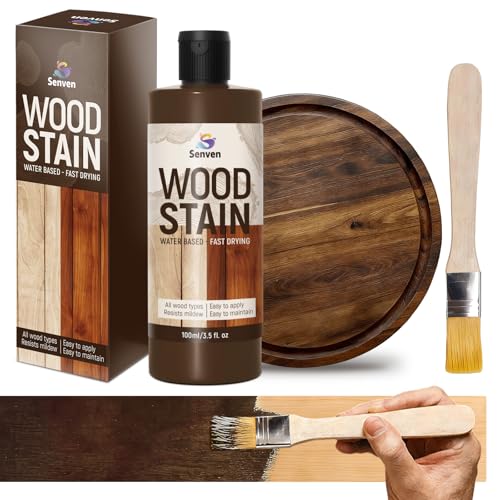
SENVEN Walnut Wood Stain 100ml Fast-Drying Water-Based Low-Odor
SENVEN Rosewood Wood Stain 100ml Fast-Drying Water-Based Low-Odor

SENVEN Red Teak Wood Stain 100ml Fast-Drying Water-Based Low-Odor

Furniture Clinic Dark Oak Wood Stain 8.5oz Water-Based
SENVEN Polyurethane Clear Wood Stain 100ml Water-Based
The Details Behind The Selections
I reach for a warm golden tone when I want pale oak cabinet doors to look refreshed without losing their open grain. The SENVEN formula uses a semi-transparent finish, which allows the wood pattern to remain visible beneath the color instead of creating a painted appearance.
The water-based, low-odor formula suits a busy kitchen where I would rather avoid a heavy solvent odor during a long evening project. Its fast-drying nature also makes the 100 ml bottle more practical for several doors or smaller furniture pieces, though I would still expect to test the shade before committing to a full kitchen.
Noteworthy Benefits
- I get a semi-transparent golden oak color that keeps the grain visible.
- I can work with a fast-drying water-based formula in an occupied kitchen.
- I can use it on cabinets, doors, furniture, and other wooden surfaces.
- I get a natural matte appearance rather than a heavy gloss.
- I can control the concentration by testing and shaking the bottle.
Small Caveats
- I need to test a hidden area because oak absorption can shift the final color.
- I would check the 100 ml size against the number of cabinet doors before starting.
Quick Facts
Made For
I recommend this option for homeowners refreshing pale oak cabinets while keeping the natural grain visible and the application process relatively low odor.
Consider Something Else When
I would favor Wood Kote 208-9 Oak Gel Stain when streak control and gel application matter more than the bottle’s small capacity.
Wood Kote 208-9 brings a different control mechanism to oak cabinet work. Its gel texture stays where I put it, which can make overlapping brush marks easier to manage on a cabinet door with prominent grain or on a section where liquid stain would spread quickly.
Compared with the SENVEN Golden Oak option, the focus shifts from compact capacity and low odor to controlled application and color consistency. I see this as a practical fit for someone restoring a single door first, or for a furniture maker who values smooth coverage over handling a larger liquid container.
Advantages To Know
- I get a gel formula that resists runs and streaks.
- I can apply it across hardwoods and softwoods.
- I see less lap-mark risk while working across a panel.
- I can work on cabinets, trim, doors, and paneling.
Trade-Offs To Consider
- I would confirm the exact shade on oak before starting a large cabinet set.
- I need to account for the 12 oz container when planning coverage across many doors.
- I would inspect and prepare the existing finish before expecting smooth adhesion.
Technical Highlights
Right Fit For
I recommend this stain for a careful woodworker who values controlled gel application more than the lower-odor handling offered by the SENVEN option.
A Better Fit Elsewhere
I would choose SENVEN Golden Oak Wood Stain for a small low-odor project where fast drying and a simple water-based formula matter most.
The Fuchoi Golden Oak formula gives me another way to refresh faded wood without replacing cabinet doors. A water-based approach supports easy cleanup and fits both indoor furniture and outdoor wooden pieces, provided the surface is properly prepared.
Compared with SENVEN Golden Oak, the 8.5 oz container covers more working volume and the listing describes several finish choices. Unlike Wood Kote 208-9’s gel format, this is a conventional water-based stain, so I would favor it for easy brush cleanup and a more familiar liquid application.
The Helpful Details
- I can refresh faded furniture while retaining natural grain detail.
- I can use it on doors, windows, paneling, and cabinets.
- I appreciate the low-odor water-based formula for indoor work.
- I get an 8.5 oz container suited to a moderate project.
- I can use the same color family for indoor and outdoor wooden items.
Practical Considerations
- I need to remove existing coatings and sand the wood before application.
- I would test the golden oak shade on oak because grain and absorption affect appearance.
- I would confirm the finish choice on the product page before purchasing.
Who Will Love This
I like this option for a DIY decorator refreshing several smaller oak or golden-toned furniture pieces with one water-based container.
Reach For A Different Pick When
I would use Wood Kote 208-9 Oak Gel Stain for full cabinet doors where I need tighter control over runs, streaks, and overlapping brush marks.
Walnut changes the decision from restoring a golden-oak look to deliberately moving the cabinet color in a darker, warmer direction. I can see this option fitting a traditional kitchen that needs contrast, while the semi-transparent finish still allows the oak grain to show through.
The 100 ml size makes SENVEN Walnut practical for a single accent cabinet, a small hutch, or several matching frames. Compared with Furniture Clinic Dark Oak, this is a different design direction rather than a simple light-to-dark adjustment, and the limited quantity makes a sample test especially sensible.
Where It Excels
- I get a warm walnut color over the natural oak grain.
- I can use it for indoor or outdoor wooden projects.
- I appreciate the low-odor water-based formula.
- I can move through application stages with a fast-drying formula.
- I can use it on cabinets, doors, and furniture.
Worth Noting
- I would test the walnut shade before applying it across matching doors.
- I need to check the 100 ml capacity against the project area.
- I would shake the container well before application for consistent color.
Feature Snapshot
Best Suited To
I recommend this walnut stain for someone creating a deliberate traditional color shift on an accent cabinet or matching oak furniture.
Swap It Out When
I would choose Furniture Clinic Dark Oak Wood Stain for a more pronounced dark-oak result with a larger 8.5 oz container.
Rosewood brings a stronger decorative statement than the walnut and red teak tones nearby in this list. I would use it when the cabinet color needs to become a focal point, particularly in a traditional room with darker woodwork, brass hardware, or deep-toned furnishings.
The familiar SENVEN platform keeps the same water-based, low-odor, fast-drying approach, which makes this choice about visual direction rather than a completely different application method. The compact 100 ml bottle works better in my mind for a small statement piece than for a wall of cabinetry.
The Good Stuff
- I can create a distinctive rosewood statement on oak.
- I keep the grain visible beneath the semi-transparent color.
- I can refresh furniture or cabinets with less odor.
- I can use the same formula indoors or outdoors.
Some Limits To Know
- I would expect to test the bold shade before committing to a full kitchen.
- I would need multiple containers for a large cabinet installation.
- I would consider the color too dramatic for some light, minimalist interiors.
Built With In Mind
I choose this option for a decorator who wants one small cabinet, drawer front, or furniture piece to carry a bold traditional accent.
Look Elsewhere When
I would select SENVEN Red Teak Wood Stain for a warm statement that feels less formal and more compatible with modern farmhouse interiors.
Red teak lands between the restrained warmth of walnut and the visual weight of rosewood. I see it as a practical fit for modern farmhouse cabinetry, where reddish-brown wood can add definition without appearing as formal as a deep traditional stain.
Compared with SENVEN Rosewood, this option should feel easier to coordinate with painted walls, natural wood floors, and mixed metal hardware. The 100 ml quantity still points toward a sampled accent project, and the visible oak grain remains a meaningful part of the finished look.
What Makes Sense
- I get a warm red-brown tone for cabinetry.
- I can coordinate the color with farmhouse and transitional interiors.
- I keep the oak grain visible through the semi-transparent finish.
- I can use it indoors or outdoors.
- I can handle a low-odor water-based formula.
Details To Watch
- I would test the shade on an inconspicuous door section.
- I would plan on additional containers for several cabinet doors.
- I would need a separate clear protective finish when added surface protection matters.
Key Details
Whose Shelf It Belongs On
I recommend this tone for a homeowner blending warm stained wood with painted cabinetry in a transitional or farmhouse kitchen.
Another Choice May Suit
I would choose Furniture Clinic Dark Oak Wood Stain for someone who prefers a deeper oak color and a larger container for cabinet refinishing.
Dark oak is a direct answer for someone who wants to keep the character of oak while moving the overall color in a deeper direction. The Furniture Clinic formula combines that darker tone with a water-based format, fast drying, and a low-odor application profile for indoor or outdoor furniture.
The 8.5 oz size gives me more flexibility than the 100 ml SENVEN bottles nearby, and the stated 10-minute drying time is useful for planning a staged project. Compared with the SENVEN Red Teak, however, this choice is less about a warm accent and more about creating a consistently darker oak family.
Everyday Wins
- I can create a deeper oak color while retaining wood character.
- I get a fast-drying formula suited to staged projects.
- I can work with a low-odor water-based formula.
- I can use it on furniture and other indoor or outdoor wood.
- I get a larger 8.5 oz container for moderate projects.
Factors To Consider
- I would test the dark shade on oak because deeper colors can emphasize grain.
- I would assess the existing finish before application.
- I would treat the stated drying time as a minimum rather than a full project schedule.
The Right Fit
I favor this option for a substantial furniture or cabinet project that needs a darker oak color and a reasonably quick water-based workflow.
Where A Sibling Pick Shines
I would use SENVEN Golden Oak Wood Stain for a lighter, more natural oak refresh that does not dramatically change the cabinet color.
This SENVEN option does not add cabinet color, so I treat it as a separate stage rather than another golden-oak choice. After applying a colored stain, I can use the water-based polyurethane finish to protect doors, furniture, and woodwork from scratches, spills, and ordinary dirt.
The clear finish is described as non-yellowing, which matters more to me than an amber cast when I want a pale stain to retain its appearance. Compared with the colored SENVEN options, the role is complementary, and the 100 ml size makes the most sense for a few doors, drawer fronts, or small furniture pieces.
Useful Strengths
- I can add a clear protective layer over stained cabinetry.
- I can reduce the visual effect of scratches, spills, and dirt.
- I can retain the appearance of the underlying color with a non-yellowing finish.
- I can use a water-based formula in an indoor workspace.
The Fine Print
- I need a colored stain first because this finish does not change the wood color.
- I would check the 100 ml capacity against the number of surfaces to coat.
- I would verify compatibility with the stain and existing finish before application.
Core Features
Who Should Grab It
I recommend this clear coat for someone who has selected a cabinet stain and now needs an additional layer for handling and everyday surface protection.
Not Your Match When
I would skip it for a first-stage color-only project and begin with SENVEN Golden Oak or Furniture Clinic Dark Oak instead.
What Matters Before Staining Oak Cabinets
Check The Intended Color First
I start with the color direction rather than the brand. Golden oak, dark oak, walnut, rosewood, and red teak each create a distinctly different kitchen, and the underlying oak grain will continue to influence the result. I consider the cabinet doors, nearby furniture, wall color, and hardware before committing to a large application.
Decide How Much Grain I Want Visible
A semi-transparent stain colors wood while allowing its natural pattern to remain visible. A more opaque color treatment can cover more surface variation, but it changes the character of the wood more substantially. I keep the grain in mind because a cabinet can look uneven when a thin finish reveals differences in the original oak.
Match The Formula To The Workspace
A water-based stain supports low-odor indoor application and simpler brush cleanup. A gel formula gives me greater control over runs, streaks, and overlapping marks on a broad cabinet panel. I choose based on the application surface and my comfort with each format rather than treating one formula as suitable for every job.
Plan For Preparation And Testing
I remove existing coatings where necessary, sand the surface, and clean away sanding residue before staining. I also test the color on a hidden section because oak absorption varies and the final shade can shift. That test also gives me a chance to check the grain appearance before an entire cabinet set is underway.
Avoiding Common Cabinet Stain Mistakes
Mistakes Worth Dodging
I avoid choosing a shade from a small screen image because oak grain and existing finish can change the final appearance. I also avoid skipping the hidden test, applying stain over an incompatible coating, or assuming the natural color will match the sample. Clear finish is a separate decision, not a substitute for stain.
What Separates Premium From Basic
The useful upgrade is often application control rather than a longer feature list. Gel consistency, faster drying, and a larger container can reduce repeated applications, visible marks, or interruptions during a project. I would pay for those benefits when working on many visible doors, but I can keep a smaller low-odor bottle for furniture accents.
Frequently Asked Questions
Can I use stain on oak kitchen cabinets?
I can use suitable wood stain on oak cabinets after preparing the surface, but I would test the product on a hidden section first. Existing finish, grain, and absorption can all affect the color.
Is a gel stain better for cabinets?
I favor gel stain for cabinet doors where I want more control over runs, streaks, and overlapping marks. A liquid water-based formula may be easier to clean up and can suit smaller furniture projects.
Should I seal stained oak cabinets?
I often add a compatible clear finish when stained cabinets need added protection from handling, spills, or dirt. I would confirm compatibility with the chosen stain and the existing cabinet finish before application.
How many stain coats does oak need?
I cannot determine the required coat count without seeing the surface, preparation, and test sample. One coat may suit some projects, while additional color may be needed for a deeper or more even appearance.
Can I use the same stain on cabinets and furniture?
I can coordinate a stain across cabinets and furniture when the surfaces, preparation, and color goals match. Matching pieces may still absorb differently, so I test each surface before applying a large area.
Wrap Up
The right stain for oak cabinets depends on the color direction, grain visibility, application control, and project size. I favor SENVEN Golden Oak for a natural refresh, Wood Kote 208-9 for controlled gel application, and the clear SENVEN finish when colored cabinetry needs added protection. A small test on the actual oak remains the smartest first step.