
A mattress that feels comfortable on top can still leave your lower back aching by morning. The right pad adds cushioning, support, or temperature control without forcing you to replace the whole mattress, making it a practical option for side sleepers, couples, and anyone seeking more comfortable support.
The Picks In Brief

FP FLEXPEDIC 3 Inch Gel Memory Foam Queen Mattress Topper with Bamboo Cover

BedStory 3 Inch Queen Firm Mattress Topper

WestMonth 1000 GSM 3X Thicker Queen Mattress Topper, 8-21 Inch Deep Pocket
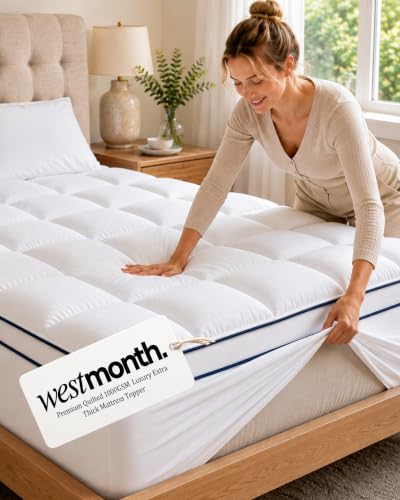
WestMonth 1000 GSM Premium Quilted Queen Mattress Topper, 8-21 Inch Deep Pocket

WEUP Extra Firm King Mattress Topper

TeQsli 3 Inch Twin Memory Foam Mattress Topper
The Strengths Of Each Pick
Support matters most here, particularly for side sleepers who spend hours on their hips and shoulders. The FP FLEXPEDIC topper uses 3 inches of high-density gel memory foam to create a steadier surface than a loose quilted pad, while the gel particles and ventilated cover improve airflow for warm sleepers.
Compared with the plush WestMonth options later in this list, this pick takes a firmer approach. You may find it more suitable for a firm mattress, while someone seeking a softer landing surface will probably prefer a heavily quilted design.
The Upside
- High-density foam gives your body a more stable surface than lightweight quilted padding.
- Gel particles help manage warmth around the hips and shoulders during longer sleep sessions.
- The perforated bamboo-fiber cover promotes air movement and feels smoother against the skin.
- A removable cover and non-slip backing make routine care more practical.
- CertiPUR-US and OEKO-TEX certifications cover the foam and textile materials.
Things To Consider
- The 3-inch profile adds noticeable height, so measure your frame and bedding before ordering.
Key Specs
Who It Suits Best
This topper suits side sleepers and combination sleepers who want structured cushioning on a firm or aging mattress.
Where Another Pick Suits Better
The WestMonth 1000 GSM 3X Thicker Queen Mattress Topper offers a softer landing for sleepers who dislike firm foam surfaces.
Two sides give you an easy way to change the feel of your bed without buying another topper. The standard side offers firm support, while the reversed side is firmer for nights when you want less sinking around your lower back.
This adjustable approach makes BedStory especially useful for couples with different preferences or for your own bed when you alternate between back and side sleeping positions. Compared with the fixed high-density design of the FP FLEXPEDIC, you gain a more useful firmness adjustment.
Everyday Advantages
- Reversing the topper changes the support level without moving to a new bed.
- Ventilated foam construction supports airflow and a cooler surface.
- Four elastic straps help limit movement and bunching during the night.
Worth Noting
- Flipping the layers takes effort and helps the topper settle before use.
- The 3-inch construction raises your sleeping surface.
- Its infusion ingredients and firm foam may not satisfy people seeking a very soft pillow feel.
Made For
This design works well for couples, combination sleepers, and anyone who wants to adjust firmness without changing mattresses.
Another Choice May Suit
The TEQsli 3 Inch Twin Memory Foam Mattress Topper is a more practical fit for a narrow twin bed or compact guest room.
Sometimes the most useful change is extra cushion rather than firmer foam. This WestMonth model uses 1000 GSM of quilted filling, described as three times the amount used in many standard 300 to 500 GSM pads, to soften a firm mattress while adding a lofty surface.
For a back sleeper who feels pressure points on a hard mattress, the extra filling may provide a gentler transition between your body and the bed. Unlike the FP FLEXPEDIC and BedStory foam models, this pick focuses on cushioning rather than structured support, so the right choice depends on whether you want softer or firmer.
Where It Helps
- Substantial filling creates a plush layer above a firm mattress.
- The 1000 GSM construction is intended to resist flattening compared with lighter pads.
- Machine washing makes long-term care more convenient.
- Deep-pocket construction fits mattresses between 8 and 21 inches thick.
Small Caveats
- Allow 24 to 48 hours for expansion, or tumble-dry on low for about 20 minutes to restore its shape.
- The deep loft may feel excessive over an already plush mattress.
At A Glance
Right Fit For
This padded layer suits sleepers who want to soften a firm, aging mattress with generous cushioning.
Look Elsewhere When
The FP FLEXPEDIC 3 Inch Gel Memory Foam Queen Mattress Topper is a better match when structured support matters more than loft.
This second WestMonth model delivers the same broad 1000 GSM cushioning focus, with particular emphasis on fitting different mattress styles. Its stretchable deep-pocket skirt is designed for pillow-top, memory foam, hybrid, and standard queen mattresses between 8 and 21 inches thick.
That flexibility makes it a sensible option when you are unsure which mattress depth or surface you will encounter. Compared with the WestMonth 1000 GSM 3X Thicker model, this pick presents the same plush concept with more explicit fit details, though you lose the stated machine-washing guidance.
Benefits That Matter
- Heavy 1000 GSM filling adds a substantial cushioning layer.
- The deep skirt accommodates several common queen mattress styles.
- Elastic edging helps keep the pad from shifting.
- Breathable quilting suits sleepers who want a softer surface with airflow.
Practical Considerations
- Its height may make getting in and out of bed feel less convenient.
- You should check your mattress depth and bed-frame clearance before ordering.
Feature Snapshot
Who Will Love This
This topper suits queen-bed owners who want plush cushioning and a secure fit across different mattress types.
Reach For A Different Pick When
The BedStory 3 Inch Queen Firm Mattress Topper is a better fit when reversible firmness matters more than a quilted surface.
A king bed benefits from a substantial support layer because its wider surface can divide your weight differently from a queen. The WEUP model pairs 1 inch of cooling gel foam with a deeper layer of high-density foam, creating a layered profile that resists excessive sinking.
This construction is more supportive than the lofty WestMonth picks, particularly for back sleepers who want a stable surface. You may find the extra-firm feel less welcoming, though, if you usually sleep on a thick quilted pad or prefer to sink deeply into the bed.
Practical Pluses
- The two-layer design provides both cooling comfort and a firm base.
- The high-density layer is intended to limit excessive compression over time.
Trade Offs
- The extra-firm profile may feel rigid for people who prefer a plush mattress.
- Adding 3 inches requires enough bed-frame clearance and room to change sheets.
- Only a king size is listed for this model, so it will not fit a queen bed.
Built With In Mind
This option suits king-bed owners and back sleepers who prioritize a supportive, low-sink surface over a soft landing.
Skip It When
The BedStory 3 Inch Queen Firm Mattress Topper is a better fit for a queen bed and offers reversible firmness.
A twin bed does not need a sprawling luxury pad to benefit from a new sleeping surface. This TeQsli model provides 3 inches of high-density memory foam in a compact format, making it useful for a child’s room, guest bed, studio apartment, or dorm-style setup.
The foam is designed to spread body pressure and adapt to different sleeping positions, while the open structure supports airflow. Unlike the heavier quilted models, though, it offers a more traditional memory foam experience rather than a lofty pillow top.
Why It Works Well
- High-density foam offers structured cushioning without a quilted overhang.
- Airflow-focused construction helps the sleeping surface feel less enclosed.
- The rolled box format makes a twin setup easier to move and unpack.
- CertiPUR-US certification applies to the memory foam.
Minor Gripes
- It needs 48 to 72 hours of ventilation before reaching its full shape.
Quick Facts
Whose Shelf It Belongs On
This compact topper suits twin-bed occupants, students, and anyone furnishing a small guest or children’s room.
Swap It Out When
The WestMonth 1000 GSM 3X Thicker Queen Mattress Topper is a better fit for a queen bed that needs deep cushioning.
What Matters Before You Add a Topper
Start With the Surface You Dislike
A firm mattress calls for more contouring or cushioning, while an overly soft mattress may benefit from a stable foam layer. Your current comfort level gives you a useful starting point, but avoid choosing based only on a soft surface shown in a product photograph.
Match the Pad to Your Sleeping Position
Side sleepers often notice pressure around the shoulders and hips, making medium-firm foam or a thick quilted layer worth comparing. Back sleepers may prefer a flatter, more supportive surface, while combination sleepers need enough flexibility to accommodate several positions.
Check Size, Height, and Pocket Depth
A correct mattress size does not automatically mean a topper will sit correctly. Measure the mattress thickness, check the frame clearance, and compare the pocket range with your bed. These details matter most for thick toppers and deep-pocket designs.
Consider Heat Before Committing
Gel-infused foam and vented structures are useful starting points for warm sleepers, but room temperature also affects memory foam. A breathable cover adds another layer of comfort, particularly for couples sharing a bed with different temperature preferences.
Buying Details Worth Noticing
Mistakes Worth Dodging
Avoid judging thickness alone, since fill density and construction determine how a pad feels. Also check care instructions before buying a quilted model, and leave enough time for compressed foam or filling to expand before judging its comfort.
What Separates Premium From Basic
Higher-tier pads generally add more filling, deeper pockets, cooling materials, or multiple foam layers. Those upgrades are worthwhile when your current mattress is firm, your bed runs warm, or a basic pad has become flat.
Frequently Asked Questions
Are mattress toppers good for back pain?
A suitable topper can improve comfort by adding support, cushioning, or temperature control to your existing mattress. Your results also depend on your sleeping position, mattress condition, and how consistently you use the bed.
Should a back-pain topper be firm or soft?
Firm or extra-firm foam usually suits people who want less sinking and a stable surface. Plush quilted padding fits those who feel pressure points on a hard mattress, so comfort should guide the choice.
How thick should a mattress topper be?
A 3-inch topper adds meaningful support and cushioning without reaching the height of a complete mattress. You should still check frame clearance, sheet fit, and mobility around the bed.
Do I need a cooling mattress topper?
A cooling topper is useful if you sleep warm or your mattress traps heat. Look for gel-infused foam, ventilation, and a breathable cover, while remembering that room temperature also affects memory foam.
How long does a new mattress topper take to expand?
Memory foam toppers generally need several days to reach their full shape, with some models requiring 48 to 72 hours. Quilted pads may recover more quickly through low-temperature tumbling or gentle fluffing.
Final Thoughts
Your best mattress pad depends on the problem your current bed creates. Firm foam suits people seeking stability, quilted filling softens a hard surface, and compact models handle twin beds with ease. Measure the bed, consider your sleeping position, and give any new pad time to settle before deciding whether it improves your comfort.