
A kitchen vent hood has to handle more than smoke and lingering odors. Its airflow, mounting style, controls, and ducting arrangement need to suit your cooktop and the way your kitchen is arranged. CFM, or cubic feet per minute, measures airflow volume, while ducted and ductless configurations determine how that air leaves the cooking area. The six options below cover island, wall-mounted, and under-cabinet kitchens, with strong choices for high-output ventilation, flexible installation, compact layouts, and modern styling.
The Main Contenders
JOEAONZ 30-Inch 700 CFM Island Range Hood, Gesture Controls, Stainless Steel

COSMO Vista 380 CFM 30-Inch Wall Range Hood

COSMO Lumin 380 CFM 30-Inch Island Range Hood
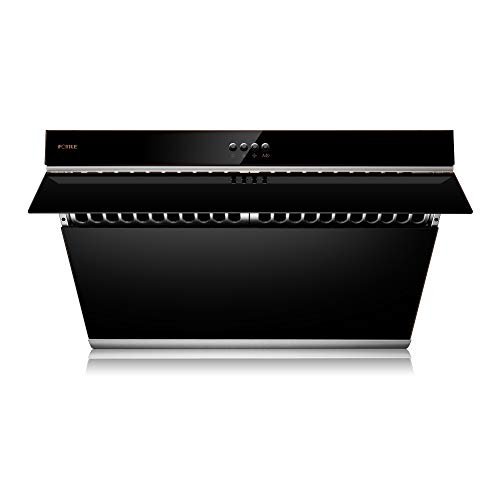
FOTILE JQG7522 30-Inch Side-Draft Range Hood, Onyx Black
COMFEE’ 36-Inch 450 CFM Convertible Wall Range Hood

COSMO COS-5MU30 30-Inch Ducted Under-Cabinet Range Hood
Taking A Closer Look At The Options
A busy island cooktop benefits from a hood with substantial airflow, which is where the JOEAONZ model separates itself from the 380 and 450 CFM options in this roundup. Its 700 CFM rating and three fan speeds give you room to increase extraction during heavy cooking while retaining lower settings for everyday simmering.
The touch panel accepts gestures through four sensing points, a useful detail when your hands are wet or covered with ingredients. Delayed shutdown and adjustable lighting add convenience, while the ducted or ductless configuration offers more installation flexibility than the COSMO models reviewed later.
Bright Spots
- The 700 CFM airflow rating suits demanding island-cooking setups.
- Gesture and touch controls reduce repeated button presses.
- Three fan speeds suit light cooking and more active sessions.
- Convertible venting supports different kitchen layouts.
Trade Offs
- A ceiling-mounted island hood needs substantial overhead clearance.
- Confirm your ducted or ductless route before finalizing the installation.
Feature Snapshot
Who It Suits Best
You benefit most from this model when you cook heavily on a 30-inch island and want high airflow with contactless controls.
Where Another Pick Suits Better
The COMFEE’ 36-Inch 450 CFM Convertible Wall Range Hood suits wider wall-mounted arrangements with more installation flexibility.
A wall-mounted canopy gives you a practical alternative to a ceiling-hung island unit. The COSMO Vista uses a 30-inch footprint and 380 CFM airflow, making it more restrained than the JOEAONZ model while still providing three levels of ventilation for daily cooking.
Its brushed stainless finish and three-sided chimney suit contemporary kitchens, while LED task lighting improves visibility around the cooktop. Compared with the COSMO Lumin, the shared 380 CFM rating keeps the airflow specification familiar, but the wall format changes how the hood occupies your space.
Everyday Advantages
- The wall-mounted canopy saves the ceiling space used by an island hood.
- Three speed levels support simmering, sautéing, and more active cooking.
- LED lighting brightens the cooktop area.
Points To Note
- Ducted operation requires a suitable route for kitchen exhaust.
- Wall placement needs adequate clearance above the cooking surface.
- This model is dedicated to a wall layout rather than an island ceiling.
Made For
You get the strongest fit in a standard wall-hood position where a streamlined canopy and moderate airflow suit everyday meals.
Consider Something Else When
The COSMO COS-5MU30 30-Inch Ducted Under-Cabinet Range Hood suits kitchens where concealing the hood beneath cabinetry matters more than a canopy profile.
The Lumin brings the same 380 CFM airflow as the wall-mounted COSMO Vista into an island format. That makes it a natural choice for a 30-inch cooktop surrounded by counters, particularly when you want the range hood to become part of the kitchen’s central visual design.
Constructed from 430 stainless steel, the hood brings a durable-looking finish and a clean profile to the space. Its ducted arrangement makes installation planning more involved than the convertible COMFEE’ model, though the island styling creates a clearer visual centerpiece.
Where It Delivers
- The 380 CFM rating handles a meaningful cooking load.
- LED task lighting supports visibility at the cooktop.
- 430 stainless steel suits a modern kitchen finish.
- The island form creates a centered focal point.
- Its 30-inch width aligns with common island cooktops.
Small Caveats
- The 380 CFM rating offers less capacity than the JOEAONZ and COMFEE’ options.
Key Product Details
Right Fit For
You benefit most in a modern island kitchen that values a coordinated centerpiece over the higher airflow offered by the JOEAONZ model.
Not Your Match When
The COMFEE’ 36-Inch 450 CFM Convertible Wall Range Hood better serves you when ducting flexibility and a wider cooking footprint take priority.
The FOTILE changes the familiar shape of a range hood with a side-draft design and a permanently open 90-degree baffle plate. The 30-inch unit can sit beneath a cabinet or against a wall, giving you more placement options than the dedicated island models in this roundup.
Dual motors are rated at 380 Pa of airflow pressure with a 58 dB noise level, figures that use a different measurement from CFM. Mechanical buttons, three speeds, and memory for your preferred setting keep operation straightforward, especially in a design-forward kitchen with a compact cooking zone.
The Value In It
- Under-cabinet or wall mounting expands placement flexibility.
- The 90-degree baffle directs captured air through the side-draft structure.
- Two motors support the stated airflow-pressure rating.
Practical Considerations
- The stated filtration coverage extends across up to 6 square feet.
- Mechanical buttons offer less interaction variety than gesture controls.
Best Suited To
You get a strong fit in a compact modern kitchen where side-drafting and flexible mounting matter more than high CFM output.
Look Elsewhere When
The JOEAONZ 30-Inch 700 CFM Island Range Hood suits you better when maximum stated airflow and contactless controls are the leading priorities.
A curved-glass front gives the COMFEE’ a distinctive appearance, while its 36-inch width provides more coverage than the 30-inch models in the roundup. The 450 CFM airflow rating sits between the 380 CFM COSMO options and the 700 CFM JOEAONZ, offering a practical middle ground for active cooking.
Its ducted and ductless convertible design gives you more freedom in routing the exhaust than a fixed ducted model. Gesture sensing, touch controls, three speeds, baffle filters, and two LED lights combine practical functions in a wall-mounted package that may suit a contemporary kitchen with a broad cooking area.
The Good Stuff
- The 450 CFM rating supports higher-volume cooking.
- Ducted and ductless configurations offer layout flexibility.
- Curved glass gives the wall canopy a distinctive profile.
- Gesture and touch operation adds hands-free convenience.
- Two LED lights illuminate the cooktop.
- Baffle filters support routine grease collection.
Factors To Consider
- The 36-inch width needs more space than a 30-inch hood.
- Convertible installation still requires a planned duct route.
- Its curved-glass front changes the visual character of the kitchen.
At A Glance
Who Will Love This
You benefit most in a contemporary kitchen with a wide cooktop and a preference for flexible venting and hands-free controls.
A Better Fit Elsewhere
The COSMO COS-5MU30 30-Inch Ducted Under-Cabinet Range Hood suits you better when a 30-inch cabinet-mounted footprint matters more than 450 CFM output.
The Delta model keeps the hood tucked beneath your cabinetry instead of sending a canopy or island housing into the room. Its 30-inch width fits a familiar footprint, making it a practical choice for a galley kitchen or a cabinet wall where visual bulk needs to stay low.
Push-button controls keep the operation uncomplicated, and LED lighting supports visibility beneath the cabinet. Compared with the COMFEE’ convertible model, this COSMO stays smaller and ducted, while its reusable aluminum mesh filters provide a straightforward approach to collecting grease and oil from the moving air.
The Upside
- The under-cabinet form preserves open visual space.
- Reusable aluminum mesh filters support routine maintenance.
- LED lighting brightens the cooking surface.
Details To Watch
- Confirm the cabinet dimensions and duct route before installation.
Core Details
Built With In Mind
You get the strongest fit in a compact kitchen where cabinet-mounted ventilation and simple button controls take priority.
Another Choice May Suit
The FOTILE JQG7522 30-Inch Side-Draft Range Hood, Onyx Black suits you better when side-draft styling and a choice of under-cabinet or wall placement are important.
What To Check Before You Buy
Match The Hood To Your Cooking Area
Start with the cooktop width and the available overhead space. A 30-inch island hood, such as the JOEAONZ model, needs a ceiling location, while an under-cabinet model such as the COSMO COS-5MU30 needs a cabinet section with suitable clearance. A wall-mounted option can work more readily in a galley layout, but you still need room for the canopy and its duct path.
Compare Airflow By Cooking Habits
CFM measures the volume of air moved each minute, so a higher figure can be useful for frequent high-heat cooking or a wide cooktop. The JOEAONZ leads this group at 700 CFM, while the COMFEE’ sits at 450 CFM. For moderate daily cooking, the 380 CFM COSMO models may be more proportionate, particularly when visual bulk matters as much as airflow.
Plan The Venting Route Early
Ducted installation routes air through a dedicated exhaust path, while a convertible model gives you two configuration options. Confirm the route with your installer before ordering, especially for island hoods, wall canopies, and compact cabinet installations. Ceiling height, cabinetry, and the cooktop’s location all affect which design can be installed cleanly.
Kitchen Vent Hood Details That Shape Your Choice
Common Shopping Slip Ups
A common mistake is focusing on CFM while overlooking the physical footprint. Measure the cooktop, cabinet, ceiling, and duct route before choosing. Another trap is assuming a convertible hood eliminates installation planning, even though the ducted option still needs a suitable outlet.
What Separates Premium From Basic
Higher-end models often add airflow capacity, refined controls, stronger materials, or greater installation flexibility. Those features matter most for frequent cooking, larger cooktops, and kitchens with complex ductwork. Simpler button-controlled models remain sensible when cabinet space and straightforward operation guide your choice.