
A mobile home floor can become uncomfortable when moisture collects beneath the home or seasonal heat reaches the living space. You also need airflow, safe material choices, and a moisture-control plan that suits the underside of your home. The right combination depends on your crawl space, available clearance, and the amount of coverage your project requires.
A Snapshot Of The Selections

ViChilia Blackout Shades

Trade Winds R8 Reflective Foam Core Shield, 24 in x 50 ft, 100 sq ft
Trade Winds R8 Reflective Foam Core Shield, 48 in x 5 ft, 20 sq ft

Golden Fox 9-Mil Vapor Barrier Tape

Golden Fox 2-Pack Vapor Barrier Tape

Golden Fox 4-Pack Vapor Barrier Tape
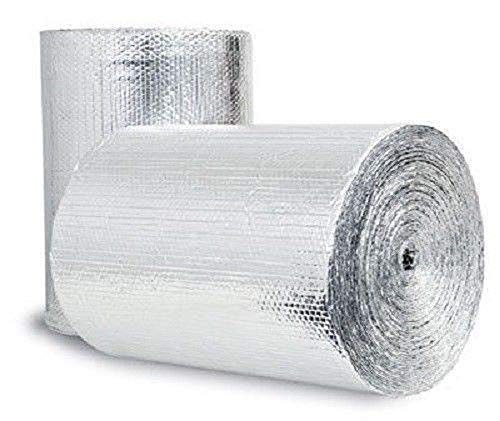
US Energy Products Double Bubble Reflective Foil Insulation, 24 in x 10 ft
Taking A Closer Look At The Options
Smart motorized shades do not form part of an underfloor assembly, so treat this pick as a room-comfort accessory rather than floor insulation. For a bedroom, nursery, or home office, the remote-controlled motor gives you a convenient way to change light levels without reaching for a pull cord.
Unlike the foam-core and foil products later in this list, the blackout fabric addresses light entering through a window. The cordless structure also keeps hanging cords away from children and pets, while the low-noise motor seems well suited to a quiet room for most households.
Strengths Worth Knowing
- Remote operation makes frequent light adjustments more convenient.
- Blackout fabric creates a darker room for sleeping or resting.
- The cordless design leaves no exposed operating cords.
- A low-noise motor suits bedrooms and shared work spaces.
Things To Consider
- This shade does not insulate the space beneath a mobile home.
Feature Snapshot
Who It Suits Best
You benefit most from these shades in a bedroom, nursery, or home office where remote light control and cord-free operation matter most.
Where Another Pick Suits Better
Trade Winds R8 Reflective Foam Core Shield, 24 in x 50 ft, 100 sq ft suits you better when the project is the underfloor assembly rather than window treatment.
A broad underfloor project makes this 24-inch roll easier to plan around than the shorter 5-foot version in the next pick. Its 100-square-foot area can serve as a substantial layer beneath a mobile home, provided the installation location has suitable clearance and the material remains within the intended assembly.
The foam-core construction is covered on both sides with metalized film, creating a reflective surface and a vapor barrier that limits moisture passage. Its R8 designation indicates a stated thermal-resistance rating, while the 100-square-foot roll offers a practical balance between coverage and handling for a serious home project.
Notable Upsides
- The 100-square-foot roll covers a substantial area.
- Metalized double-sided film supports reflective performance.
- Lightweight foam core simplifies handling.
- The material provides both thermal and moisture-control functions.
Trade Offs
- Confirm that the quarter-inch profile fits your available clearance.
- Check local material requirements before installation.
Key Specs
Made For
This format is well suited to you when you are covering a broad section of a mobile home underside and want one roll to serve as both a reflective layer and vapor barrier.
Consider Something Else When
Trade Winds R8 Reflective Foam Core Shield, 48 in x 5 ft, 20 sq ft gives you a shorter, wider format that may be easier to position around a compact repair area.
Short runs can be easier to fit around a confined section of a mobile home underside. This 48-inch-wide, 5-foot-long roll gives you a different balance from the 24-inch by 50-foot Trade Winds option, particularly when short pieces are easier to position than a lengthy roll.
The double-sided metalized film and foam-core construction provide the same reflective, moisture-control approach, and the material carries an R8 rating. For a small repair zone, the 20-square-foot coverage may be sufficient, but the shorter run means more joins across a large installation.
Positive Points
- The 48-inch width suits broader panel sections.
- A short roll is easier to manage in confined work areas.
Points To Note
- The 5-foot length creates more seams across a large area.
- You may need multiple rolls for broad underfloor coverage.
- Check the quarter-inch thickness against available clearance.
Right Fit For
This option fits you best when you need a compact piece for a repair, transition area, or other limited section beneath a mobile home.
Look Elsewhere When
Trade Winds R8 Reflective Foam Core Shield, 24 in x 50 ft, 100 sq ft serves you better when fewer rolls and a longer continuous run suit the project.
Seam tape solves a narrower part of the moisture-control puzzle than the Trade Winds foam-core shields. You use it to join sections of polyethylene vapor barrier, a layer intended to limit moisture passing through the crawl space assembly, rather than to insulate an entire panel by itself.
The 180-foot length provides useful reach for a medium-sized area, while the 4-inch width accommodates a typical seam. Its 9-mil polyethylene construction, meaning nine thousandths of an inch, is designed to form a secure bond over supported joints for your crawl space project.
What It Does Well
- The long roll reduces the need for frequent tape changes.
- Four-inch width gives you room to cover a seam.
- White polyethylene blends neatly with similar barrier material.
- The material is designed for crawl space barrier installation.
Small Caveats
- Confirm that 4 inches covers the full width of each joint.
- Measure your seam length before opening the roll.
Feature Rundown
Built With In Mind
This single roll suits you when you are sealing the seams of a small crawl space or repairing selected sections of polyethylene barrier.
Another Choice May Suit
Golden Fox 2-Pack Vapor Barrier Tape serves you better when you want spare rolls for two areas or additional seam work without handling a four-roll bundle.
A two-roll format gives you room to work across separate sections without committing to the larger storage bundle. Each Golden Fox roll retains the same 4-inch width, 180-foot length, and 9-mil polyethylene construction, so the practical difference is the amount of tape included rather than a change in material.
For a medium crawl space, that flexibility can be useful because you can use one roll beneath living areas and reserve the other for an entry point, utility section, or future repair. The tape remains a seam-sealing component, so you still need a compatible polyethylene vapor barrier and a proper support surface.
Everyday Perks
- Two rolls cover separate project sections.
- Each roll provides a long 180-foot run.
Worth Noting
- You need storage space for both unused rolls.
Quick Facts
Who Will Love This
This bundle fits you best when your crawl space has several seam sections but does not justify storing four full rolls.
Swap It Out When
Golden Fox 4-Pack Vapor Barrier Tape gives you a better fit for a large crawl space where you expect substantial seam coverage and want each section supplied with a dedicated roll.
Extensive seam work shifts the decision toward quantity. This four-roll bundle gives you 720 feet of 4-inch-wide, 9-mil polyethylene tape, which can streamline installation across a long crawl space or support separate work areas without repeatedly replenishing a single roll.
Compared with the 2-Pack option, the added rolls do not change the tape’s width, thickness, or material. They simply increase your working supply, so you should assess your seam measurements and storage situation before choosing the larger bundle.
Bright Spots
- Four rolls provide ample tape for extensive seams.
- Each roll reaches 180 feet.
- The 4-inch width suits common barrier joints.
Details To Watch
- Four rolls require more storage space.
- Each roll remains 4 inches wide.
- A single roll may be more practical for a localized repair.
Made For
You benefit most from this bundle when a long or divided crawl space requires many sealed joints and dedicated rolls for each section.
Reach For A Different Pick When
Golden Fox 9-Mil Vapor Barrier Tape serves you better for a small repair where one 180-foot roll provides all the seam coverage you need.
Reflective foil brings a different approach to the category because it targets radiant heat, meaning energy transferred as electromagnetic waves. This 24-inch roll is designed to reflect up to 97% of radiant heat and can be used around attics, windows, garages, ductwork, and RVs, giving you more flexibility than the crawl-space-focused picks.
Its double-bubble construction is intended to resist tearing and punctures during handling. For a mobile home project, you may find it useful around exposed ductwork or other accessible surfaces, while a larger underfloor area would require several pieces and careful positioning.
Where It Helps
- Reflective foil is designed to block radiant heat.
- The flexible format suits several home and vehicle applications.
- Double-bubble construction helps resist tearing.
- The material can cover windows, ducts, attics, and garages.
- A 24-inch width fits many standard framing spaces.
Possible Compromises
- The 10-foot roll is short for a broad underfloor area.
- Its stated performance focuses on radiant heat rather than every form of heat transfer.
Technical Highlights
Best Suited To
This roll suits you when you need reflective material for an attic, garage, RV, window area, or accessible duct rather than a full crawl-space vapor-barrier system.
A Better Fit Elsewhere
Trade Winds R8 Reflective Foam Core Shield, 24 in x 50 ft, 100 sq ft serves you better when you need a larger underfloor panel with a stated R8 rating and vapor-barrier function.
What Matters Below a Mobile Home
Vapor Control Comes First
A vapor barrier is a layer designed to limit moisture passage through an assembly. You need to understand where ground moisture enters the space and whether the barrier belongs beneath wall panels, around ducts, or across open crawl-space surfaces before choosing a material.
Match the Product to the Assembly
Reflective foil targets radiant heat, while a foam-core shield combines insulation characteristics with a moisture-control layer. Seam tape handles joints in an existing barrier rather than supplying insulation by itself, so each product belongs at a different stage of the project.
Check Size and Clearance
Measure the area, seam lengths, and available vertical space before ordering. The 1/4-inch foam-core products need clearance, while the Golden Fox rolls add up to 720 feet of tape depending on the pack quantity you select.
Plan for Ventilation and Installation
Keep prescribed ventilation paths open and follow applicable local requirements for the home and crawl space. For most projects, organizing the surface area and identifying attachment points first prevents tape, foil, and full-width barrier sheets from becoming awkward to position.
Avoiding Costly Mistakes Beneath Your Home
Mistakes Worth Dodging
Do not treat reflective foil, seam tape, and foam-core insulation as interchangeable. Measure the moisture-control need, the available clearance, and the area requiring coverage before ordering, because tape seals joints while the other materials serve broader thermal and moisture-control roles.
What Separates Premium From Basic
The higher-value option is often the one that reduces interruptions during installation. A longer roll can limit repackaging, a larger sheet can reduce seams, and additional tape can prevent a mid-project shortage, so compare convenience and coverage against the dimensions your project actually needs.
Frequently Asked Questions
What insulation is best under a mobile home?
The best choice depends on whether your priority is thermal resistance, radiant-heat reflection, or moisture control. You also need to account for crawl-space ventilation, local requirements, and the clearance beneath the floor.
Is a vapor barrier the same as insulation?
No. A vapor barrier limits moisture passage, while insulation resists heat flow. Some reflective foam-core products combine both functions, but seam tape only seals joints in a barrier.
What does an R8 rating mean?
R8 is a stated thermal-resistance rating that describes resistance to heat flow through the material. You still need to consider air sealing, installation continuity, and moisture control when building a complete underfloor assembly.
Can reflective foil go under a mobile home?
Reflective foil can address radiant heat in suitable locations, but it should not automatically replace a full vapor-barrier system. You need to evaluate the underside design, attachment method, ventilation, and local requirements.
Should I use foam-core insulation or vapor barrier tape?
Use foam-core material for broad panel coverage and tape for joining barrier sheets or repairing seams. Your project may require both, with the tape serving as the connecting piece rather than the primary insulation layer.
Final Verdict
Start with the actual assembly: use foam-core material for broad underfloor coverage, reflective foil for radiant-heat applications, and polyethylene tape to connect barrier seams. Match the roll length, quantity, and thickness to your measurements, and keep moisture control and ventilation working together for a practical installation.