
A cold basement floor, a drafty crawlspace, and a noisy room above the garage can all trace back to poorly insulated floor joists. You’ll need materials that suit the cavity, the installation process, and whether the space is being insulated, serviced, or protected from heat and vibration. The seven picks below cover reflective barriers, spray foam, removal equipment, and closely related installation accessories so you can separate useful solutions from items that serve a different job entirely.
The Shortlist At A Glance

EconoHome Radiant Barrier Insulation Roll, Metal, 800 Sq Ft, Attic and Roof

AIRTAK Adjustable 1-Gang Box, 21 Cu In

RAM Insulation Removal Vacuum Bag, 6 x 4 Feet, 3.5 oz, 10 Pack
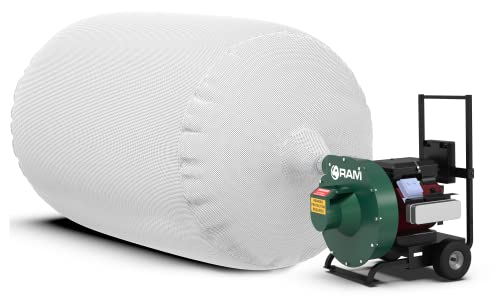
RAM Vacuum Bags, 6 x 4 Feet, 10 Pack

BEEST FullStop Spray Foam Insulation Kit, 240 Board Ft, 12 Cans and Pro X Gun

Storystore 394-Mil Car Sound Deadening Mat, 16.8 Sq Ft, Roller

RAM ECO+ Insulation Vacuum Bags, 7 x 4 Feet, 88 Cu Ft, 10 Pack
The Details Behind The Selections
A radiant barrier works by reflecting radiant heat rather than filling a cavity with loose fill. This EconoHome roll pairs a metal layer with another metal facing and covers 800 square feet, making it a practical choice for broad attic, roof, garage, or ceiling areas where reflective separation is appropriate.
For a floor-joist assembly, you need to confirm that the joist depth, fastening method, and planned finish permit a reflective layer. Unlike the BEEST spray foam kit later in this list, this roll doesn’t expand into irregular spaces, so precise preparation matters.
A Few Highlights
- Dual metal surfaces provide a more durable facing than a single reflective layer.
- The stated reflectivity range of 95% to 99.97% addresses radiant heat transfer.
- An 800-square-foot roll can cover several connected sections with fewer material changes.
- The manufacturer reports heating and cooling cost reductions of up to 10%.
Trade Offs
- It reduces radiant heat but does not provide the air-sealing performance expected from an expanding insulating foam.
- Flat, unobstructed installation areas are easier to cover than deeply irregular joist cavities.
Feature Snapshot
Built With In Mind
You benefit most from this roll when insulating a broad, accessible area and your main goal is reflected heat control rather than filling cavities.
Another Choice May Suit
The BEEST FullStop Spray Foam Insulation Kit suits you better when irregular wall or attic cavities need to be filled and sealed.
This AIRTAK box is not insulation, so it doesn’t belong in the cavity itself. It becomes relevant when your floor-joist project includes electrical rough-ins, particularly where a standard one-gang box needs extra internal depth for wiring or device fit.
The adjustable design and 21-cubic-inch volume offer more room than a shallow fixed box, while the six-pack keeps spare boxes available for a multi-room installation. For a homeowner dealing with one outlet, a single box may be more appropriate.
Well-Handled Touches
- Adjustable construction supports different device depths during rough-in work.
- The 21-cubic-inch interior provides useful room for a one-gang installation.
- Six boxes suit multi-room projects or professional job sites.
- The PVC body is nonconductive and suited to electrical enclosure use.
Where It May Fall Short
- It provides no thermal or acoustic insulation for the joist cavity.
- You still need to verify wall thickness, wiring fit, and local electrical requirements.
- The six-pack may leave unused boxes after a small repair.
Key Product Details
Right Fit
You benefit most from this box when insulating around joists also requires several adjustable one-gang electrical rough-ins.
A Better Fit Elsewhere
The EconoHome Radiant Barrier Insulation Roll is the more relevant choice for homeowners whose priority is radiant heat control rather than electrical enclosure depth.
Removing old floor-joist insulation creates more debris than the cavity itself can absorb, and this RAM bag gives your vacuum a contained destination. Its 6-by-4-foot body is sized for loose-fill fiberglass, rock wool, or cellulose taken from attics and wall cavities.
The 3.5-ounce polypropylene fabric gives this model a sturdier profile than the standard RAM bags later in the list. That makes it a sensible choice for a large teardown, though the stated weight capacity should still be treated as an estimate rather than an unlimited load rating.
Bright Spots
- Reinforced 3.5-ounce fabric suits demanding removal work.
- The bag holds an estimated 75 cubic feet of loose-fill material.
- A large filling spout simplifies loading bulky debris.
- The low-dust filter helps contain finer particles during collection.
- Ten bags support repeated fills without frequent emptying.
Practical Considerations
- It fits vacuum hoses and attachments measuring 10 inches in diameter or less.
- Removal work still requires suitable extraction equipment and careful handling of debris.
Made For
You benefit most from this set when removing substantial loose-fill insulation before a controlled floor-joist retrofit.
Reach For A Different Pick When
The RAM ECO+ Insulation Vacuum Bags suit you better when greater bag volume and a longer removal run matter more than the heavier 3.5-ounce fabric.
These white RAM bags bring a familiar 6-by-4-foot format to insulation removal without moving into the heavier fabric used by the PRO-450 model. Each bag is designed to contain approximately 75 cubic feet of loose-fill fiberglass or cellulose while feeding debris into a compatible vacuum.
Ten bags give a contractor room to keep several loads moving, and the low-dust design helps contain debris during removal. For lighter household cleanouts, the larger RAM ECO+ bags may offer more capacity with less material movement through the hose.
Practical Pluses
- Ten 6-by-4-foot bags support repeated attic or wall-cavity removal.
- The low-dust construction keeps loose insulation contained during transfer.
Small Caveats
- The 2.4-ounce polypropylene fabric is lighter than the RAM PRO-450 model’s 3.5-ounce construction.
- Compatibility requires a vacuum hose or attachment no more than 10 inches in diameter.
- Large debris can still tear fabric or obstruct the intake, so sharp fragments need careful handling.
The Numbers That Matter
Who Will Love This
You benefit most from this set when a professional or experienced DIYer needs several dependable bags for routine insulation removal.
Swap It Out When
The RAM PRO-450 bag is a better fit for you when heavier material handling and tear resistance are the central concerns.
Spray foam earns its place when a joist bay has gaps, irregular edges, or openings that a batt cannot fill neatly. The BEEST FullStop kit includes 12 cans, a Pro X gun, cleaner, and safety gear, giving you the main application components in one package.
Its stated thermal resistance is R-8.24 at 2 inches, while the product also addresses airborne sound transmission. Because expanding foam changes the cavity conditions, you need to check joist depth, ventilation requirements, and local building rules before application.
Noteworthy Benefits
- Twelve cans provide enough material for an estimated 240 board feet.
- The expanding format reaches irregular gaps that fitted batts may leave open.
- The included gun supports controlled placement across multiple work areas.
- Class A fire-rated construction meets ASTM E84 standards.
Details To Watch
- Spray foam is less practical in deep joist bays where access and clearance are limited.
- The kit calls for careful application, cleaning, and compliance with local building requirements.
Technical Highlights
Best Suited To
You benefit most from this kit when you understand foam application and need to fill irregular wall or attic cavities during a larger project.
Where A Sibling Pick Shines
The EconoHome Radiant Barrier Insulation Roll suits you better when a reflective, non-expanding layer is preferable to filling a cavity with foam.
Storystore’s 394-mil mat belongs in a vehicle, not between residential floor joists. It is designed to dampen vibrations, reduce road and engine noise, and limit heat coming from engine or exhaust areas, making it useful for panels, floors, and doors within an automobile.
The self-adhesive backing and included roller make it a convenient way to apply a continuous layer across several automotive sections. Compared with the BEEST kit, both address sound and heat, but this mat stays flexible and reflective instead of expanding to fill gaps.
Positive Takeaways
- The thick 394-mil construction provides a substantial damping layer for vehicle panels.
- Self-adhesive material supports convenient placement on prepared surfaces.
- The included roller helps press the mat into contact during installation.
- Each nominal sheet measures 39 by 60 inches for automotive panel coverage.
Less Ideal Details
- It is not a building-insulation material and doesn’t replace floor-joist batts or spray foam.
- Sheet dimensions need to be checked against vehicle seams, curves, and mounting hardware.
The Right Fit
You benefit most from this mat when reducing heat and vibration inside a car rather than insulating a house structure.
Consider Something Else When
The BEEST FullStop Spray Foam Insulation Kit is the better fit for you when the goal is thermal and acoustic insulation within a building cavity.
The RAM ECO+ bag turns bag volume into its defining advantage. Each 7-by-4-foot bag is listed at an estimated 88 cubic feet or 400 pounds, making it larger than the earlier 6-by-4-foot RAM models while retaining the same 2.4-ounce fabric weight.
Ten bags support major attic, wall, or floor-joist insulation removal. The manufacturer recommends a section of hose between the machine and bag to knock down hard objects before they reach the fabric, so your hose arrangement is part of the setup rather than an afterthought.
Useful Touches
- The larger 7-by-4-foot body provides greater capacity per bag.
- An estimated 88-cubic-foot volume suits substantial removal sessions.
- Ten bags provide a practical fleet for professional or workshop use.
- The low-dust fabric helps contain loose insulation during transfer.
- Connection compatibility covers insulation vacuum hoses with 10-inch or smaller openings.
Worth Bearing In Mind
- The estimated 400-pound load is lower than the stated 450-pound figure for the heavier RAM PRO-450 bag.
- A hose section is required between the machine and bag for the recommended debris control.
- These bags aren’t intended for asbestos insulation removal.
Quick Facts
Whose Shelf It Belongs On
You benefit most from this set when a workshop or renovation crew repeatedly removes loose-fill insulation and values fewer bag changes.
Look Elsewhere When
The RAM PRO-450 bag is the better choice for you when maximum fabric weight and the higher stated load figure justify the heavier construction.
What Counts In a Floor-Joist Insulation Plan
Match the material to the cavity
Joist bays are rarely uniform, especially around pipes, wiring, and rim boards. Batts suit regular spaces, spray foam addresses irregular gaps, and reflective barriers work where an air space and suitable surface preparation matter. Measure the actual depth and inspect obstructions before selecting a product.
R-value explains thermal resistance
R-value measures a material’s resistance to heat flow, not the performance of the finished assembly. Placement, compression, air leakage, and framing can affect the result, so the advertised figure should guide your comparison rather than serve as a promise about your completed floor.
Decide whether removal comes first
A retrofit involving damp, contaminated, or loosely settled insulation may require extraction before new material goes in. RAM bags serve that stage rather than supplying insulation, and their hose compatibility, capacity, and fabric weight determine how they handle your debris.
Check the entire assembly
A complete floor-joist plan may also involve rim boards, subfloor edges, ventilation paths, and electrical boxes. You’ll want the layers to work together without blocking required openings or creating an unsuitable fastening surface.
Avoiding Costly Floor-Joist Mistakes
Mistakes Worth Dodging
Choosing by coverage alone overlooks depth, attachment, and compatibility. Check joist width, hose diameter, material thickness, and installation access before purchasing.
What The Higher Tier Buys
Higher-cost versions may add heavier fabric, greater bag volume, more complete kits, or stronger thermal performance. That extra capability matters when the work is extensive, repetitive, or difficult to repeat later.
Frequently Asked Questions
Can Radiant Barrier Replace Floor Joist Insulation?
No. A radiant barrier limits radiant heat transfer but doesn’t provide the full air-sealing and cavity-fill performance of conventional insulation. Its suitability depends on the assembly and finish.
Which Pick Handles Insulation Removal?
The RAM PRO-450 and RAM ECO+ bags are both designed for loose-fill removal. PRO-450 emphasizes heavier fabric, while ECO+ provides greater bag volume.
Can Spray Foam Fill Floor Joist Cavities?
Yes, provided the cavity is accessible and the product can expand without conflicting with ventilation or structural requirements. Measure the depth and check local building rules first.
Which Electrical Box Fits a Joist-Side Rough-In?
The AIRTAK box offers 21 cubic inches of adjustable one-gang capacity. Confirm the wall thickness, wiring arrangement, and device dimensions before installation.
What Should You Check Before Insulating a Basement?
Check moisture control, joist depth, obstructions, ventilation, and the planned finish before adding material. Floor-joist insulation works best within a complete assembly rather than as a standalone patch.
Final Verdict
The most relevant floor-joist choices are the EconoHome radiant barrier and BEEST spray foam, with the RAM bags supporting the removal stage of a renovation. AIRTAK serves electrical rough-ins, while the Storystore mat belongs in a vehicle. Match the product to the cavity and the stage of your project, then verify fit before opening a can or unrolling a sheet.