
A loose chair joint or wobbly cabinet can turn a simple repair into a frustrating afternoon, especially when the adhesive is too thin, slow to set, or difficult to control. These wood glues cover different needs, from small furniture fixes and visible craft projects to larger builds and darker woodwork. Your best option depends on joint type, clamp time, container size, and how noticeable the dried glue line should be.
The Choices Worth Comparing

Titebond Original Wood Glue 5062, 4 oz for Woodworking and Repair

Titebond Quick & Thick 2404, 16 oz

Titebond II Wood Glue 5006, 1 Gal

Titebond Translucent Wood Glue 6123, 8 oz
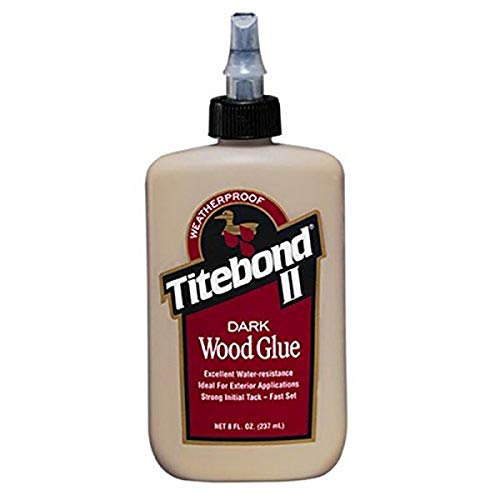
Titebond II Dark Wood Glue 3703, 8 oz

Franklin Titebond-3 Glue 1412, 4 oz

Titebond Speed Set Wood Glue 4366, 1 Gal
A Closer Look At Each Pick
A dining chair needs its loose joints repaired before the evening meal, and a picture frame project rarely needs a gallon container. Titebond Original Wood Glue 5062 handles both kinds of work with a 4-ounce bottle sized for household repair kits and small woodworking tasks.
Its aliphatic resin formula gives you strong initial tack, meaning the adhesive grabs the wood early while the joint is still being aligned. Titebond also describes the finished bond as stronger than the wood itself, which makes this a practical choice for furniture, cabinet assembly, models, and general construction.
Advantages To Know
- Fast initial grab helps reduce the time each joint spends under a clamp.
- The permanent-strength positioning suits structural furniture and cabinet repairs.
- A small bottle fits neatly into a crowded toolbox or craft cabinet.
Things To Consider
- The 4-ounce container may need frequent replacement during a large cabinet build.
- Your material and joint design still need to be suitable for a rigid wood adhesive.
Feature Snapshot
Who It Suits Best
This bottle works well for beginners and regular home repairists handling furniture, frames, models, and small construction projects.
Where Another Pick Suits Better
Titebond Speed Set Wood Glue 4366 suits shops that prioritize a 15-minute clamp time over the broader repair versatility of Titebond Original Wood Glue 5062.
Repairing a ceramic planter and attaching leather to a wood base call for more than a general-purpose wood adhesive. Titebond Quick & Thick 2404 covers wood, ceramic, pottery, stone, glass, fabric, leather, and many craft materials from one bottle.
Its unusually dense formula is designed at three times the thickness of traditional PVA adhesives, which means PVA, a water-based adhesive family, and twice their stated drying speed. You gain a heavier initial grab and less waiting around, especially on porous or unevenly cut materials.
Noteworthy Benefits
- The thick consistency helps fill small gaps between imperfectly matched parts.
- Rapid drying reduces the number of clamps occupying your workbench.
- Broad material compatibility simplifies mixed-media craft assemblies.
- The 16-ounce bottle balances useful capacity with manageable storage.
Trade Offs
- Its white color can remain more noticeable than Titebond Translucent Wood Glue 6123 in a visible joint.
Made For
This adhesive best serves crafters and home repairers joining wood with ceramic, leather, fabric, stone, or glass.
Consider Something Else When
Titebond II Premium Wood Glue 5006 is a better fit for larger wood-only assemblies that call for water resistance and a larger container.
A garage full of trim, shelving, and outdoor furniture calls for more adhesive than a small repair bottle can comfortably provide. The 1-gallon container of Titebond II Premium Wood Glue 5006 suits extended assembly work and reduces the interruption of repeatedly refilling a smaller bottle.
Water resistance makes this a more sensible option for exterior applications, while the honey-cream color and strong initial tack support general construction and hardware work. Unlike Titebond Original Wood Glue 5062, this formula adds water resistance without asking you to move up to a gallon size for a small household fix.
What Stands Out
- Water resistance supports outdoor woodworking and furniture exposed to moisture.
- The gallon container suits contractors, woodworkers, and serious home projects.
- Fast set behavior helps maintain alignment through the initial assembly stage.
Practical Considerations
- A gallon container takes more storage space than the 4-ounce and 8-ounce options.
- The honey-cream color may show more readily than a translucent glue line on dark wood.
- Water resistance should be treated as a product characteristic, not a substitute for selecting the right exterior material and finish.
Key Specs
Right Fit For
Professional woodworkers, contractors, and dedicated hobbyists handling larger assemblies or exterior wood projects fit this gallon format well.
Not Your Match When
Titebond Original Wood Glue 5062 is more practical for one small household repair because its 4-ounce container takes up less room.
Fine furniture, picture frames, and decorative objects can show a distracting pale seam where a standard white adhesive has dried. Titebond Translucent Wood Glue 6123 dries transparently, giving you a less visible line for surfaces that remain on display.
The formula is intended for lumber, particleboard, leather, and craft work, with a fast grab that reduces clamp time. You also gain sandability and compatibility with finishes, which matters when the joint will be trimmed, smoothed, and coated as part of the final appearance.
Notable Upsides
- The transparent dried line stays visually discreet on prominent surfaces.
- Fast-setting behavior helps you move decorative parts into finishing sooner.
- Compatible with lumber, particleboard, leather, and craft materials.
- Sandability helps smooth squeezed-out glue after the joint sets.
- An 8-ounce container covers small-to-medium projects without excessive bulk.
Small Caveats
- A fast grab still benefits from clamping to keep the joint square.
- The 8-ounce bottle is smaller than the gallon format offered by Titebond II Premium Wood Glue 5006.
Feature Card
Who Will Love This
Furniture makers and crafters who want the dried joint to blend into a decorative surface will appreciate the translucent formula.
Look Elsewhere When
Titebond II Dark Wood Glue 3703 better matches the color expectation of dark woodwork where a brown adhesive line is less noticeable.
Walnut, mahogany, and other dark-stained woods can make a pale glue line stand out along an exposed edge. Titebond II Dark Wood Glue 3703 uses a brown adhesive suited to those darker surfaces, giving you a more coordinated repair than standard white glue.
Its cross-linking PVA formula provides a wood-focused alternative to the multi-purpose Titebond Quick & Thick 2404. The 8-ounce bottle works well for repairing dark furniture, frames, and decorative accents without taking up the space of a full gallon.
A Few Highlights
- The brown color is intended to blend more readily with dark wood surfaces.
- The compact bottle suits targeted furniture repairs and decorative work.
Factors To Consider
- Brown can still stand out against pale or strongly contrasting wood.
- Large production runs may exhaust the 8-ounce container more quickly than a gallon format.
Built With In Mind
Furniture restorers and woodworkers handling dark-stained pieces benefit most from a brown adhesive that coordinates with the visible joint.
A Better Fit Elsewhere
Titebond Translucent Wood Glue 6123 suits a pale decorative project where a transparent dried line is more desirable than brown coloring.
A single loose shelf bracket rarely justifies a gallon jug or a large bottle left open on the bench. Franklin International 1412 Titebond-3 Glue provides a 4-ounce format aimed at smaller woodworking and hobby repairs where compact storage matters.
The tan color provides a warmer appearance than white glue, although it remains a noticeable choice on very light surfaces. Compared with Titebond Translucent Wood Glue 6123, this model is less compelling for a prominently visible seam, but the smaller container and model-specific color can suit compact repair kits.
Everyday Wins
- The 4-ounce bottle is easy to store and carry between projects.
- Tan coloring offers a warmer appearance than a traditional white adhesive line.
- The compact size suits isolated household fixes and hobby work.
Less Ideal Details
- The small container offers less capacity for repeated or larger assemblies.
- Tan may remain visible on pale wood where a translucent line would be less noticeable.
Core Details
The Right Fit
Compact tool-kit owners and hobbyists needing a small tan adhesive bottle for occasional repairs fit this model well.
Another Choice May Suit
Titebond Quick & Thick 2404 suits a larger mixed-material repair because its 16-ounce formula supports several surfaces beyond wood.
A production run of small boxes can leave clamps tied up for much of the afternoon, turning each joint into a scheduling problem. Titebond Speed Set Wood Glue 4366 shortens that waiting period to 15 minutes, giving you a more active workflow between assembly and finishing.
Its high-solids PVA formula fills small gaps while forming a bond Titebond says can exceed the strength of the surrounding wood. The gallon container adds sandability, compatibility with finishes, and water cleanup, making this a practical production option rather than a small repair-only purchase.
The Helpful Details
- A 15-minute clamp period shortens production waits.
- Gap-filling behavior handles slightly uneven joints and imperfect cuts.
- The high-solids formula supports a rigid wood bond.
- Water cleanup simplifies handling around the workbench.
- The gallon container reduces refills during extended assembly work.
What To Weigh
- Fifteen minutes still requires clamp planning, so parts must remain accurately aligned.
- The gallon size demands more storage than a 4-ounce repair bottle.
- Fast setting leaves less room for correcting a mistake before the joint becomes fixed.
Technical Highlights
Whose Shelf It Belongs On
Production woodworkers, furniture makers, and serious hobbyists running repeated assemblies benefit most from the short clamp time.
Reach For A Different Pick When
Titebond II Premium Wood Glue 5006 fits outdoor wood projects that place greater importance on water resistance than rapid production.
Match the Adhesive to the Job
Wood Type and Joint
Start with the joint you are building. A simple furniture joint benefits from strong initial tack, while a crafts project with a visible edge may place more weight on the dried glue line. Particleboard, lumber, leather, and mixed craft materials have different absorption characteristics, so the application and material compatibility deserve attention before the adhesive reaches the surface.
Clamping Time and Workflow
Clamp time determines how quickly you can move from assembly to sanding or finishing. A 15-minute setting period suits repeated production work, while a small repair may need only a modest amount of clamp time. Choose a shorter setting schedule only when you have enough clamps and workspace to keep each joint aligned while the adhesive dries.
Color and Container Size
Glue color matters on exposed furniture, decorative objects, and dark-stained wood. Translucent, tan, brown, honey cream, and white options each create a different dried appearance. Container size is a separate decision: 4-ounce and 8-ounce bottles suit focused repairs, while gallon formats reduce interruptions during larger projects.
The Practical Details Behind Each Bottle
Mistakes Worth Dodging
Avoid choosing by adhesive name alone, since two wood glues can differ sharply in thickness, color, and setting schedule. Check the approved materials, expected clamp time, and visible joint appearance before opening the bottle. A larger container also needs a dedicated storage spot that will keep the adhesive accessible without crowding your bench.
What Separates Premium From Basic
A higher tier may provide water resistance, a shorter clamp schedule, broader material compatibility, or a larger container. Those additions matter when your project repeatedly encounters moisture, mixed materials, tight production timing, or extensive glue volume. A basic formula remains sensible for a single small repair where those demands are absent.
Frequently Asked Questions
Which glue is best for repairing furniture?
Titebond Original Wood Glue 5062 is a practical choice for common furniture repairs because it provides strong initial tack and a fast set. Its 4-ounce bottle also suits a household repair kit.
Do wood glues still need clamps?
Most wood joints benefit from clamping because pressure keeps the pieces aligned while the adhesive sets. Titebond Speed Set Wood Glue 4366 reduces the wait to 15 minutes, but accurate positioning remains important.
Can I use one adhesive for wood and crafts?
Titebond Quick & Thick 2404 supports wood alongside ceramic, pottery, stone, glass, fabric, and leather. Its thick consistency also helps with uneven joints and small gaps.
Which option suits outdoor woodwork?
Titebond II Premium Wood Glue 5006 has a water-resistant formula intended for exterior applications. Your project also needs suitable exterior-grade wood, hardware, and finish.
What should I use for dark wood with a visible joint?
Titebond II Dark Wood Glue 3703 provides a brown adhesive designed for dark wood. Test the appearance on an offcut first, since brown can still contrast with pale or highly figured surfaces.