
A veneer joint can look flawless on the bench and fail later around a curved cabinet front or kitchen edge. The right adhesive makes a real difference there, especially when your project involves plywood, solid wood, leather accents, or a surface that may see occasional moisture. PVA, a water-based adhesive valued for clean handling and straightforward cleanup, covers many workshop and home-repair needs.
A Side-By-Side Look

Titebond Original Wood Glue 5062, 4 oz

Titebond Quick & Thick Glue 2404

Titebond II Wood Glue 5006, 1 Gal

Titebond Translucent Wood Glue 6123, 8 oz
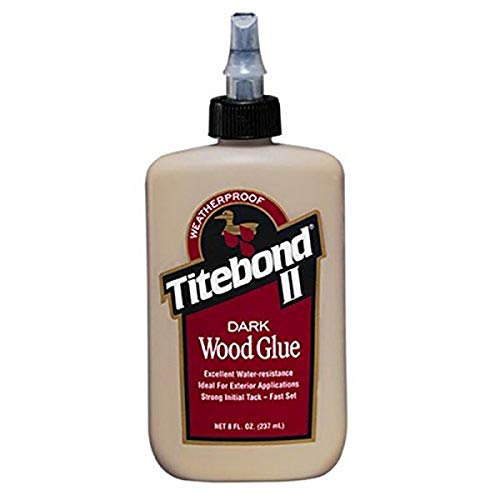
Titebond II Dark Wood Glue 3703

Titebond-3 Glue 1412, 4 oz

Titebond Speed Set Wood Glue 4366, 1 Gal
The Strengths Of Each Pick
For a chair repair, cabinet assembly, or a small veneered panel, Titebond Original gives you a straightforward starting point. The aliphatic resin formula is designed for strong initial tack and a fast set, which can shorten the period your pieces remain under clamps. That handling profile suits both your first serious woodworking project and routine household fixes.
The 4-ounce bottle is the more practical size here, particularly for a compact workspace or occasional projects. Compared with the gallon containers later in this list, you get less material but avoid carrying a large container for a handful of joints. The trade-off is volume, not versatility.
Notable Gains
- Strong initial tack helps pieces stay aligned while the joint sets.
- The fast set can reduce the time your work stays clamped on the bench.
- The compact bottle suits small repairs, modeling, and occasional furniture assembly.
- Aliphatic resin chemistry supports strong wood bonding for interior work.
Worth Noting
- The small bottle may run short during repeated cabinet or furniture projects.
- Choose a water-resistant option for exterior panels or moisture-prone installations.
Key Specs
Made For
You benefit most from this bottle when you handle occasional furniture repairs, basic assembly, and small veneering projects in an indoor workspace.
Consider Something Else When
Choose Titebond II Premium Wood Glue 5006 instead when your veneer panels need greater water resistance for exterior use.
Quick & Thick is the useful option when your project crosses material lines. A decorative veneer might meet ceramic tile, stone, glass, fabric, leather, or pottery, and this formula is listed for those surfaces as well as wood. That broader fit makes it convenient for craft displays, small repairs, and mixed-material panels.
The name refers to a formula described as three times thicker and twice as fast-drying compared with traditional PVA. For your work, that means less waiting and a heavier initial deposit, although the thicker application can make careful spreading more important. It is less focused on one large wood-only assembly than Titebond Original.
Where It Delivers
- The thick consistency supports quick grab on mixed craft materials.
- Faster drying can shorten the waiting period around lightweight repairs.
- One adhesive can handle wood, ceramic, pottery, stone, glass, fabric, and leather.
- The 16-ounce bottle offers more volume than the smaller picks here.
Practical Considerations
- The heavier texture may require more careful spreading on fine veneer joints.
- Its multi-surface role makes it less specialized for exterior wood assembly.
- A smaller bead may suit delicate craft pieces better than a thick flood.
Feature Snapshot
Who Will Love This
You benefit most from Quick & Thick 2404 when a single project combines veneer with several craft or household materials.
Another Choice May Suit
Choose Titebond Translucent Wood Glue 6123 instead when a discreet, nearly invisible glue line matters more than broad material compatibility.
Outdoor furniture and cabinetry near a sink or window call for more moisture consideration than an indoor repair. Titebond II Premium Wood Glue 5006 is listed for exterior applications and carries a water-resistance emphasis, making it the sensible choice here for veneer over exterior-grade panels. You gain more protection against the environmental exposure that indoor PVA is not designed to handle.
The gallon container serves a busy shop or a run of furniture projects better than the 4-ounce and 8-ounce options elsewhere in this list. Its honey-cream color can remain visible on pale veneer, so placement still matters. Compared with Titebond Original, the water resistance is the decisive difference.
Real-World Strengths
- Water resistance supports exterior furniture and trim applications.
- Strong initial tack helps your veneer stay aligned during assembly.
- A fast set can reduce bench time between clamping and sanding.
- The gallon format suits repeated projects and workshop inventory.
- Sandability helps you move from assembly into surface finishing.
Trade Offs
- The honey-cream color may show more on light-colored veneers than translucent glue.
- The gallon container takes more shelf space than smaller workshop bottles.
The Right Fit
You benefit most from model 5006 when your veneered furniture or trim will face exterior conditions or intermittent moisture.
A Better Fit Elsewhere
Choose Titebond Original Wood Glue 5062 instead for small indoor repairs where fast handling matters more than exterior moisture resistance.
Translucent Wood Glue 6123 fits decorative work where a pale glue line would distract from the finished panel. The adhesive dries translucent, so you can apply it to lighter veneers, lumber, particleboard, leather, or craft components without committing to a dark adhesive that would remain visible. For furniture restoration or model work, that cosmetic advantage may carry more weight than sheer container size.
The fast-setting profile also reduces the amount of clamping time your pieces need. Unlike Titebond II Dark Wood Glue 3703, this option is designed to blend rather than stand out against a light surface. You still need to control squeeze-out carefully so the joint remains visually clean.
Where It Helps
- The translucent dried glue line helps keep pale joints visually understated.
- A fast grab reduces the clamp time needed for small craft assemblies.
- Sandability lets you smooth the joint before applying a finish.
- One formula covers lumber, particleboard, leather, and craft work.
Points To Note
- Apply sparingly because excess glue can squeeze out and remain visible around the joint.
Quick Facts
Made With In Mind
You benefit most from model 6123 when the appearance of the glue line matters as much as the strength of the finished joint.
Reach For A Different Pick When
Choose Titebond II Dark Wood Glue 3703 instead when you need the adhesive itself to blend into dark walnut or stained veneer.
Dark wood veneer creates a specific problem: the adhesive can become the most noticeable line on an otherwise carefully finished panel. Model 3703 answers that with a brown, cross-linking PVA formulation made for darker surfaces. You gain a more discreet repair than the honey-cream Titebond II formula when the joint sits against walnut, stained wood, or another dark material.
This is a specialty purchase rather than a broad workshop adhesive. You may want it for a single damaged cabinet panel, a picture frame, or a small piece of decorative veneer. The compact format suits a shelf dedicated to furniture restoration instead of a crowded workshop floor.
Useful Strengths
- The brown adhesive is suited to dark veneers and stained wood.
- Cross-linking PVA provides a purpose-built option for wood bonding.
Small Caveats
- The dark color is a poor visual match for pale maple, birch, or blond finishes.
- The smaller container suits targeted repairs rather than high-volume assembly.
- Confirm that your finish system will accept a dark adhesive beneath the visible veneer.
Core Details
Whose Shelf It Belongs On
You benefit most from model 3703 when restoring a small dark-wood panel where a pale glue line would stand out.
Look Elsewhere When
Choose Titebond Translucent Wood Glue 6123 instead for light veneers, where transparency better supports an uninterrupted finish.
A four-ounce bottle belongs on a small bench where shelf space matters and the job is measured in details rather than panels. Franklin International 1412 Titebond-3 Glue gives you a tan adhesive in a compact package, which makes it easy to keep near a tool tray, craft shelf, or repair kit. You avoid the bulk of a gallon container for a limited project.
The honest read is that its tan color makes more sense on warm wood tones than on pale veneer. Since the listing gives you less detail about setting behavior and material compatibility than the other picks provide, verify those points against your project before committing to a large panel. A small bottle is particularly useful for trial joints and brief repairs.
The Value In It
- The 4-ounce bottle stores easily in a compact workspace or portable repair kit.
- Tan color suits warm and medium wood tones better than a dark adhesive.
Things To Weigh
- Confirm the adhesive’s compatibility with your veneer and finish before a full assembly.
- The tan color may remain noticeable on pale wood.
- The small volume makes this less practical for repeated furniture work.
Built With In Mind
You benefit most from model 1412 when you need a small bottle for detail repairs and your bench has limited storage.
Swap It Out When
Choose Titebond Speed Set Wood Glue 4366 instead for repeated workshop assembly where a listed 15-minute clamp time is more useful than compact storage.
Speed Set Wood Glue 4366 changes the pace of a busy work session. Its listed 15-minute clamp time gives you a shorter route from assembly to sanding than the more conventional choices here, which can help when you are fitting several cabinet panels or moving through repeated craft pieces. The gallon format also supports continuous work without frequent container changes.
The high-solids PVA formula also carries gap-filling and sandability features, so it suits joints where tight contact is not perfect. Unlike Quick & Thick 2404, its advantage comes from rapid setting rather than a heavier consistency. You still need firm, even assembly pressure to bring the veneer into full contact.
A Few Strong Suits
- The listed 15-minute clamp time supports a faster workshop rhythm.
- A high-solids formula helps fill small gaps in imperfect joints.
- Sandability makes the transition to finishing more convenient.
- The formula is described as unaffected by finishes, reducing compatibility concerns.
- Water cleanup keeps the adhesive practical around tools and worktops.
Possible Compromises
- The gallon container requires more storage space than the compact bottles.
- Fast setting gives you less time to reposition pieces than slower-curing glue.
Technical Highlights
Best Suited To
You benefit most from Speed Set 4366 when you complete repeated wood joints and value a short clamp time over slower assembly.
Where A Sibling Pick Shines
Choose Titebond Original Wood Glue 5062 instead for a small project that gives you more time to align and adjust the pieces.
What Matters in a Veneer Adhesive
Moisture exposure
Start with where the finished panel will live. Indoor furniture calls for a general wood adhesive, while exterior trim or a cabinet near a sink benefits from the water-resistant Titebond II 5006. Water resistance reduces the likelihood that seasonal moisture will weaken the joint, although it does not change the need for suitable panel materials and careful application.
Glue-line appearance
Color can make or break decorative veneer work. Translucent model 6123 suits lighter surfaces, while dark model 3703 blends more closely with walnut and stained wood. You should also spread a thin, even layer so squeeze-out does not become a visible ridge around the edge.
Working time and container size
Open time is the period during which you can still reposition glued pieces. A shorter setting period increases productivity but leaves less room for adjustment, so Speed Set 4366 favors confident assembly. Smaller bottles suit occasional repairs, while gallon containers make more sense for repeated panels and cabinet work.
Avoid These Veneering Mistakes
Common Shopping Slip Ups
A common mistake is choosing by container size instead of project conditions. A large bottle helps with volume, but moisture resistance, glue color, and setting speed determine how well the adhesive fits the joint. Another mistake is applying a thick bead across an entire panel; excess glue can squeeze out, create cleanup work, and remain visible.
What Separates Premium From Basic
The extra money often pays for a specialized formulation rather than a larger amount of glue. Water resistance adds value for exterior panels, translucency helps pale veneers, and fast setting saves bench time during repeated work. You pay more when that specific attribute solves a recurring problem in your shop.
Frequently Asked Questions
Is PVA glue suitable for veneering wood?
Yes, PVA glue works well for many indoor veneer projects because it bonds wood cleanly and handles with water. Choose the formulation according to the joint, its color, and the moisture your finished panel may encounter.
Which glue is best for exterior veneer panels?
Titebond II Premium Wood Glue 5006 is the most suitable option here because it is explicitly listed for exterior applications and emphasizes water resistance. Your panel material, edge sealing, and overall finish design still matter.
How long should I clamp a veneered panel?
Follow the clamp time listed for your chosen adhesive and keep the joint under even pressure across its surface. Titebond Speed Set Wood Glue 4366 lists a 15-minute clamp time, while other formulations may allow more time for alignment.
Can I hide a glue line on light-colored veneer?
Titebond Translucent Wood Glue 6123 is designed to dry with a translucent appearance on light surfaces. Apply a thin layer, control squeeze-out, and sand the dried joint lightly before finishing.
Can one adhesive join veneer to craft materials?
Titebond Quick & Thick Glue 2404 can bond wood with ceramic, pottery, stone, glass, fabric, leather, and other listed craft materials. Its thicker consistency and faster drying make it useful for mixed-material projects.
Wrap Up
The right choice comes down to the joint you are making: Titebond Original handles routine indoor assembly, model 5006 adds water resistance, and models 6123 and 3703 address contrasting wood colors. Quick & Thick handles mixed materials, while Speed Set supports faster repeated work. Choose the formulation that matches your panel, environment, and working pace, then give the joint the pressure and drying time it needs.