
A French drain can fail quietly when soil migrates into the gravel and blocks the pipe. Geotextile fabric acts as a permeable separator, allowing water to move while keeping soil away from drainage stone and perforated pipe. The right roll depends on trench length, soil pressure, installation conditions, and how much anchoring material you already have.
The Picks In Brief
REKVEN Non-Woven Landscape Fabric 3×50 ft

Super Geotextile 8 oz Non-Woven Fabric 4×50 ft

Towallmark 6 oz Non-Woven Geotextile 4×100 ft

AMAGABELI 5.8 oz Dual-Sided Woven Geotextile Landscape Fabric 4×50 ft

FEED GARDEN 3.2 oz Woven Landscape Weed Barrier Fabric 4×100 ft

Super Geotextile 6 oz Non-Woven Fabric 3×50 ft
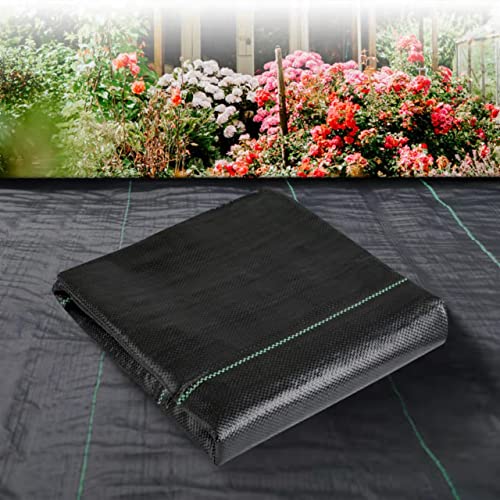
LGJIAOJIAO 3.2 oz Woven Landscape Fabric 3×50 ft
More Details On Our Top Picks
The REKVEN roll combines a 4.5 oz non-woven polypropylene fabric with a useful bundle of 30 U-shaped stakes. Non-woven fabric is made from interlaced fibers rather than woven threads, allowing water to pass through while separating soil from gravel. That balance suits a residential French drain trench, dry well, paver base, or driveway.
For most backyards, the included anchors remove one extra shopping and preparation step. The 3-by-50-foot sheet can be cut with ordinary scissors and overlapped where the trench changes direction. One roll handles a long run, though wider trenches need additional material.
Where It Delivers
- Permeable construction supports drainage while limiting soil migration into gravel.
- The 4.5 oz polypropylene weight adds resistance around rocks, roots, and foot traffic.
- Thirty 6-inch stakes help secure the fabric without a separate anchor purchase.
- One continuous 50-foot roll reduces the number of seams in a straight trench.
- It also works beneath gravel bases, flower beds, paths, and patio areas.
Small Caveats
- A 3-foot width suits many drains, but broad trenches require overlaps or another roll.
Feature Snapshot
Made For
This roll suits DIY homeowners installing a complete French drain and already want both fabric and stakes.
Consider Something Else When
Super Geotextile 6 oz Non-Woven Fabric 3×50 ft offers a heavier option for more demanding residential drainage work.
At 8 oz per square yard, this is the heaviest fabric in the group and the clearest choice for aggressive soil, erosion control, or demanding construction work. The 4-by-50-foot non-woven roll provides more width than the REKVEN option, reducing seam count across wider gravel trenches.
Heavier fabric does not replace proper trench preparation, but its greater material mass may suit installations where roots, sharp stone, or shifting fill create more pressure. Depending on your soil, securing the edges without allowing wrinkles or gaps remains important.
What It Does Well
- The 8 oz weight gives this roll more material than lighter residential fabrics.
- Non-woven construction lets water pass while separating trench aggregate from soil.
- A 4-foot width accommodates broader trenches with fewer overlapping panels.
- Its listed uses include French drains, underlayment, erosion control, and construction.
Things To Consider
- The heavier roll may be more than a small, carefully prepared yard drain requires.
- Anchors are not listed with this item, so plan for separate fastening during installation.
Quick Facts
Who It Suits Best
This fabric fits contractors and experienced DIY homeowners working with erosion-prone slopes or demanding drainage trenches.
Another Choice May Suit
REKVEN Non-Woven Landscape Fabric 3×50 ft is a more convenient choice for smaller projects that need included stakes.
The Towallmark roll covers 4 by 100 feet, giving you enough material for a long drain without joining many short panels. Its 6 oz polypropylene construction sits between the REKVEN and Super Geotextile 8 oz options in material weight, while the published strength figures help with project planning.
Tensile strength describes resistance to pulling, and load capacity describes resistance to forces applied across the fabric. Those figures make this a practical selection for landscapers comparing physical specifications rather than relying on weight alone. You still need to grade and secure the trench properly.
Bright Spots
- The 100-foot length supports long French drains and property boundaries.
- Six-ounce non-woven polypropylene provides a middle ground between lighter cloth and 8 oz fabric.
- A 350N tensile rating gives installers a stated pulling-resistance figure.
- A 440N load capacity adds useful information for drainage and ground-cover applications.
- The material is intended for drainage, gravel filtration, erosion control, and garden fabric.
Honest Caveats
- A long roll needs proper storage before installation, so measure your available space.
- The 4-foot width may require overlapping in wider trenches or around broad drain fields.
Right Fit For
This roll suits installers handling long drainage runs who want stated tensile and load specifications.
Look Elsewhere When
FEED GARDEN 3.2 oz Woven Landscape Weed Barrier Fabric 4×100 ft fits large planted areas that also need guide lines and anchoring staples.
This dual-sided woven fabric brings more mechanical strength than a light weed mat while remaining suited to drainage separation, driveways, and planted borders. Woven construction uses intersecting yarns, which gives the material greater resistance to pulling than many non-woven sheets of comparable weight.
The 5.8 oz weight sits close to the Towallmark 6 oz option, but the construction and intended applications differ. For a driveway base or heavily trafficked garden path, the AMAGABELI fabric is a more natural fit than the lighter 3.2 oz rolls.
Points In Its Favor
- High-tensile woven construction tolerates demanding ground-cover installations.
- The fabric is designed for foot and vehicle traffic over driveway applications.
- Its permeability allows water, air, and nutrients to move through the ground cover.
- Dual-sided construction gives you a usable face regardless of installation orientation.
- It can also reduce erosion and standing water beneath the finished surface.
Practical Considerations
- Woven fabric needs close edge anchoring to remain flat under traffic and drainage flow.
- It is listed for driveway underlayment rather than specifically as a perforated-pipe filter wrap.
Feature Rundown
Built With In Mind
This fabric serves homeowners building a driveway, reinforced garden path, or heavily trafficked planted border.
Reach For A Different Pick When
Super Geotextile 8 oz Non-Woven Fabric 4×50 ft is the stronger match for a wide erosion-control trench requiring non-woven filtration.
FEED GARDEN supplies two 4-by-50-foot panels, creating 400 square feet of woven polypropylene coverage in total. Green guide lines help you align openings with plants, while the 3.2 oz weight gives this fabric more structure than a very light weed sheet. It works well for larger garden areas and modest drain separations.
The 30 U-shaped staples simplify installation, though 100 feet of fabric can still be awkward to maneuver before it is unrolled. For a small French drain, you may have plenty of material left over.
Where It Helps
- Two 4-by-50-foot panels provide substantial coverage for beds and borders.
- Thirty included staples help secure the fabric to soil.
- Green guide lines make plant placement more orderly.
- The woven polypropylene construction supports repeated ground coverage.
- You can cut sections to fit beds, paths, or smaller drainage channels.
Trade Offs
- The 3.2 oz fabric is lighter than the 5.8 oz and 8 oz options.
- High traffic or aggressive root growth calls for a heavier fabric.
- Long panels need adequate storage and careful handling during setup.
Important Details
Who Should Grab It
This set suits gardeners covering a large planted area who want guide lines and anchoring staples in the package.
Swap It Out When
Towallmark 6 oz Non-Woven Geotextile 4×100 ft is the better fit for a long, load-sensitive drain needing stated strength ratings.
This 6 oz non-woven roll offers a middle ground between light garden cloth and the heavier 8 oz Super Geotextile model. Its listed resistance to ultraviolet exposure and rot suits outdoor drainage applications, while the 3-by-50-foot format remains manageable for many residential trenches.
Dimension stability means the fabric is designed to retain its shape as environmental conditions change. That matters during installation because a fabric that shifts can bunch gravel, expose an edge, or create a path around the drainage stone. Your anchoring method remains essential.
The Practical Payoff
- The 6 oz weight provides substantial fabric without moving into extra-heavy territory.
- Non-woven construction supports permeable separation in French drains and underlayment.
- UV and rot resistance suit prolonged outdoor installation.
- Dimension stability helps the fabric remain flatter through changing conditions.
Points To Keep In Mind
- The 3-foot width is narrower than the 4-foot Super Geotextile 8 oz roll.
- Separate anchors are needed to keep the fabric secure around the trench.
Whose Shelf It Belongs On
This fabric belongs with homeowners seeking a durable non-woven roll for residential drains, erosion control, and landscaping.
Where Another Pick Shines
REKVEN Non-Woven Landscape Fabric 3×50 ft is easier to anchor from the start because its package includes 30 U-pins.
The LGJIAOJIAO roll concentrates on weed control and ground-cover work, with a 3.2 oz woven construction and a compact 3-by-50-foot size. It suits a small French drain, garden border, or underlayment area where the trench does not need an oversized sheet.
Compared with the FEED GARDEN 3.2 oz fabric, this narrower roll is easier to handle but does not carry the same green guide lines or included stakes. For most home drainage projects, the deciding factor is whether you value compact handling over installation accessories.
Notable Upsides
- The 3.2 oz woven fabric provides a practical barrier for garden soil and weed growth.
- A 3-by-50-foot roll fits relatively compact storage and handling areas.
- Woven construction suits driveway underlayment and general landscape separation.
- The fabric can be shaped for smaller trenches and planting beds.
Less Ideal Details
- Its 3.2 oz weight is less substantial for heavily loaded or root-filled areas.
- No guide lines or anchoring stakes are listed with the roll.
Core Details
Best Suited To
This fabric fits beginners handling small drainage channels or garden beds where compact coverage matters most.
A Better Fit Elsewhere
AMAGABELI 5.8 oz Dual-Sided Woven Geotextile Landscape Fabric 4×50 ft suits driveways exposed to heavier traffic.
What Matters Before You Lay Drainage Fabric
Match the fabric to the load
Light woven cloth works well for garden beds and modest separations. Heavier non-woven material is more appropriate around gravel trenches, fill, slopes, and locations where roots or stones create pressure. Compare the listed weight and construction instead of relying on the word “heavy duty” alone.
Account for the full trench geometry
Measure the trench length, width, and depth before choosing a roll. Perforated pipe needs enough fabric to cover the trench and form a continuous sleeve, while pipe laid on fabric needs coverage beneath it. Account for overlaps, sidewalls, and turns rather than using only the pipe length.
Separate filtration from weed control
Weed-barrier fabric and geotextile both permit water movement, but drainage fabric is installed where soil filtration and load separation matter. For a French drain, non-woven material is often suited to filtration, while woven fabric can serve well beneath driveways and stable aggregate bases.
Common Mistakes That Undermine Drainage
Common Shopping Slip Ups
Avoid choosing by roll length alone. A narrow sheet may waste gravel or create excess seams, while a sheet that is too wide can be awkward in a small trench. Confirm the finished trench dimensions and installation method before purchasing.
Mistakes Worth Dodging
Do not leave fabric loose around the pipe or allow gravel to sit on an unsecured sheet. Smooth wrinkles, overlap the edges, and anchor the material so water cannot route around the gravel bed. The fabric is only one part of a drainage system that also depends on the pipe slope and surrounding soil.
When a Heavier Material Makes Sense
What The Higher Tier Buys
Heavier fabric adds material mass and puncture resistance where the installation sees more pressure. It becomes a sensible upgrade around coarse gravel, sloped ground, heavy traffic, or aggressive roots. Light cloth still makes sense for planted areas with limited loading.
Why Top Tier Costs More
Added material and construction technology raise the cost of heavier rolls. That expense matters most in demanding trenches, while a modest garden drain may not require the same weight. Choose based on the pressure your project creates.
Frequently Asked Questions
Do I need a special fabric for a French drain?
Non-woven geotextile is commonly used around perforated pipe because it allows water through while filtering soil. A woven geotextile can work under stable gravel bases or driveways where separation matters more.
How wide should French drain fabric be?
The fabric should cover the pipe and gravel with enough overlap to form a continuous sleeve or separator. A wider roll reduces seams, but the correct choice depends on your trench width and pipe placement.
Should the fabric go above or below the gravel?
Place fabric directly against the soil beneath the gravel to prevent soil from mixing into the drainage stone. Secure it before adding gravel so it does not shift or wrinkle.
Is heavier geotextile always better?
No. Heavier fabric provides more resistance, making it useful for demanding trenches and traffic areas. Lighter woven material can be sufficient for garden beds and lightly loaded drainage work.
How much overlap should I use?
Follow the product’s installation directions and allow enough overlap to prevent soil from entering the gravel bed. Secure each overlap with appropriate anchors to keep water from finding an open edge.
Final Verdict
Start with REKVEN for a straightforward residential drain that needs included anchors, or choose Super Geotextile 6 oz for heavier non-woven separation. Towallmark fits long runs where published strength figures matter, while the AMAGABELI and FEED GARDEN options serve woven garden and driveway applications. Match weight and coverage to the trench, secure every edge, and let the installation conditions make the final call.