
A stuffy bedroom at the end of a summer day calls for more than another lightweight desk fan. I compare through-wall airflow systems, portable air conditioners, high-velocity floor models, and compact tower fans to match cooling power with the room, installation, and control needs that actually matter.
The Choices Worth Comparing

suplife 8-Inch Reversible Programmable Through-Wall Air Fan, 320 CFM

Grelife 8,000 BTU Portable Air Conditioner, Smart and Sleep Modes, Remote

Lasko H20310 Three-Speed 20-Inch Fan
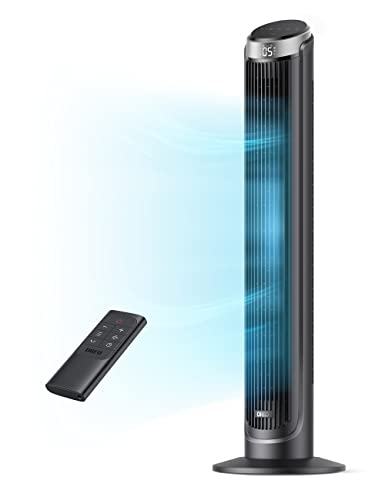
DREO 90-Degree Oscillating Tower Fan

DREO 28 ft/s Tower Fan, 9 Speeds

DREO 28 ft/s Tower Fan, 8 Speeds

TCL 7,000 BTU Smart Portable Air Conditioner
What Each Pick Brings To The Table

A bedroom that stays warm while the next room feels comfortable is a natural fit for a through-wall fan. This model moves 320 cubic feet per minute, or CFM, between spaces and reverses direction, so I see it as a practical way to balance uneven indoor temperatures without relying on ductwork.
Its remote reaches about 33 feet and handles power, airflow direction, speed, and timer settings from across a room. Compared with the Lasko H20310 later in this list, it serves a different purpose: the Lasko throws a strong breeze into one area, while the suplife is built to move air through a wall.
A Few Strong Suits
- The 320 CFM airflow suits adjacent rooms with noticeably different temperatures.
- Ten-speed programming gives me finer control over circulation and sound.
- Temperature, timer, and cycle controls support unattended operation.
- The included remote removes the need to reach the wall opening constantly.
Trade Offs
- Installation requires openings on both sides of a wall, plus careful positioning of the templates and power cord.
- The housing measures 10.15 inches square, so the opening needs adequate clearance beyond the 8-inch fan diameter.
Core Details
Made For
I recommend this model for homeowners with two connected spaces that need balanced airflow and remote operation.
A Better Fit Elsewhere
The DREO 28 ft/s Tower Fan, 9 Speeds suits renters who need portable airflow without cutting through a wall.
Temperature-based operation gives this through-wall fan a different role from the remote-controlled suplife 8-Inch Reversible Through-Wall Room Fan with Remote, 320 CFM. A built-in sensor displays the current temperature, and the controller can adjust airflow according to that reading, which appeals to me in rooms that warm up unpredictably.
The 320 CFM capacity remains substantial for moving air between two spaces. Two-button airflow reversal is simple enough to operate after installation, while ten speed settings, timer functions, and cycle programming provide a more automated approach than a basic exhaust fan.
Where It Delivers
- Automatic temperature-based operation reduces the need for constant manual adjustment.
- Reversible airflow makes it useful in both heating-season and cooling-season arrangements.
- Ten speed settings let me balance stronger movement against lower noise at night.
- Timer and cycle programming support rooms that need regular air exchange.
Practical Considerations
- The wall-opening dimensions and cord placement need checking before drilling begins.
- Temperature automation may be less valuable in a space that remains evenly comfortable throughout the day.
Right Fit For
I see this model as a good fit for a home office or bedroom connected to a room with a different temperature profile.
Another Choice May Suit
The TCL 7,000 BTU Smart Portable Air Conditioner suits a household that wants active cooling and app control rather than wall-mounted circulation.
A rented apartment rarely allows new ductwork, making a portable air conditioner a practical alternative. The Grelife model provides 8,000 BTU of cooling, a measure of cooling capacity, for rooms up to 350 square feet, along with fan and dehumidifying functions for changing humidity conditions.
The adjustable timer runs for 24 hours, and the included remote handles operation away from the unit. I also appreciate that caster wheels support movement between a bedroom and office, although the exhaust hose and adjustable window bracket still need a proper setup.
Strengths Worth Knowing
- Four operating modes cover cooling, fan-only use, and moisture reduction.
- The temperature range extends from 61 to 86 degrees Fahrenheit.
- Smart and Sleep modes automatically adjust temperature and fan speed.
- The LED display makes the current setting easy to check at a glance.
- Caster wheels make the unit more practical for multiuse homes.
Points To Keep In Mind
- The window installation requires a suitable bracket, hose position, and nearby outlet.
- The stated 350-square-foot capacity makes careful room sizing important in open-plan spaces.
Key Product Details
Built With In Mind
I recommend the Grelife for apartment residents seeking cooling, fan-only operation, and dehumidification without permanent installation.
Look Elsewhere When
The DREO 90-Degree Oscillating Tower Fan suits a sleeper who mainly wants a quiet breeze instead of active room cooling.
A garage or workshop often needs a concentrated stream of air rather than gentle bedroom circulation. The Lasko H20310 uses a 20-inch metal-bladed fan to move air forcefully, and its pivoting head lets me aim that stream upward, downward, or across the work area.
Its most useful trick is the QuickMount bracket. The floor stand clips into the wall mount, so the same fan can serve a garage bench on one day and a high wall position the next. Compared with the tower models, this is less about ambient circulation and more about directed ventilation.
Useful Touches
- The 20-inch metal blades suit demanding airflow tasks in shops and garages.
- Three speeds provide a useful range for drying, ventilation, and personal cooling.
- The pivoting head reduces the need to reposition the entire stand.
- QuickMount conversion makes wall placement a simple setup change.
Small Limitations
- The metal cage, stand, and 20-inch size make the fan less suited to compact bedrooms.
- Wall mounting depends on suitable bracket placement and wall structure.
Feature Breakdown
Made For
I favor the Lasko for workshops, garages, and utility rooms that need forceful, adjustable airflow.
Reach For A Different Pick When
The DREO 28 ft/s Tower Fan, 8 Speeds fits a quiet sleeping space better because its tower format moves air without the visual bulk of a 20-inch metal fan.
A bedside fan needs enough airflow to feel useful without becoming the loudest object in the room. This DREO tower fan combines a 90-degree oscillation with a listed 28 dB operating level, which makes it a sensible match for a bedroom where I want a gentle, moving breeze.
The oscillation spreads the airflow across a wider area than a stationary fan, helping one unit serve more than one side of the bed. A timer adjustable from one to 12 hours also makes it convenient for nighttime use, although that setting does not reduce the room temperature itself.
The Value In It
- The 28 dB operating level suits sleep and focused work environments.
- Ninety-degree oscillation distributes airflow across a broader section of the room.
- The 12-hour timer removes the need for a bedside switch.
Less Ideal Details
- The wide oscillation setting may not suit a desk where a fixed breeze is preferred.
- It circulates air rather than providing active cooling.
Who It Suits Best
I recommend this fan for light sleepers, quiet home offices, and compact bedrooms that need gentle circulation.
Swap It Out When
The Grelife 8,000 BTU Portable Air Conditioner makes more sense for a room that needs genuine cooling and moisture reduction.
Large living rooms need more air movement than a compact bedside model can comfortably provide. This 42-inch DREO tower fan claims 1,397 CFM of air volume and reaches up to 28 feet per second, giving it a noticeably more substantial specification profile than the smaller DREO options.
Nine speed settings make it easier to move between forceful circulation and background airflow. The brushless DC motor supports the high-airflow design while emphasizing low sound, and I see the tower format as a useful compromise for a larger bedroom or open living area.
Why It Works Well
- The 1,397 CFM airflow target suits larger living spaces and open rooms.
- Nine speeds provide more granular control than the nearby eight-speed DREO model.
- The brushless DC motor supports quiet operation without conventional exposed blades.
- Maximum airflow speed reaches 28 feet per second for strong room circulation.
Where It May Fall Short
- The 42-inch height is substantial for a bedside table or tight room corner.
- Full-size airflow performance may feel excessive in a small, enclosed space.
Technical Highlights
Who Will Love This
I recommend the DREO for large households that want strong tower-fan circulation without installing ductwork.
Where A Sibling Pick Shines
The DREO 90-Degree Oscillating Tower Fan suits a quieter bedroom where a narrow operating range is enough.
A quieter, more focused airflow profile makes this DREO a practical middle ground in the tower-fan group. It reaches up to 28 feet per second with an algorithmic impeller and brushless DC motor, while eight speed settings cover everything from a gentle bedroom breeze to stronger circulation.
The stated airflow projection extends about 34 feet. That figure is useful for judging reach, but it does not mean every part of a large room receives the same air, so placement still matters. I would position it along an open wall rather than in a crowded corner.
Points In Its Favor
- Eight speeds offer a practical balance between airflow and sound.
- The brushless DC motor supports efficient, low-noise operation.
- The impeller design projects air as far as 34 feet.
- The slim tower format suits bedrooms and living areas better than a large metal cage fan.
Small Caveats
- Maximum air speed describes velocity rather than complete coverage of a room.
- Open space around the tower helps the directed airflow spread more evenly.
Made For
I favor this DREO for everyday bedrooms and living rooms that need adjustable airflow without a prominent industrial design.
Not Your Match When
The DREO 28 ft/s Tower Fan, 9 Speeds fits a larger space where the extra speed setting and higher stated air volume matter more.
Smart control gives this portable air conditioner a different appeal from the Grelife’s remote-centered operation. The TCL model provides 7,000 BTU under the SACC rating, or 11,000 BTU under the ASHRAE standard, and a mobile app for managing the unit away from the room.
AC, fan, and dehumidifier modes make it useful across different summer conditions. The listed room capacity reaches 300 square feet, so I would pay close attention to room dimensions and window placement before committing.
Useful Highlights
- App-based control adds convenience for a home office or bedroom.
- AC, fan, and dehumidifier modes cover several weather conditions.
- The remote provides a straightforward alternative to the app.
- Two cooling ratings help me compare the capacity using familiar standards.
Worth Bearing In Mind
- Room size, sun exposure, and window placement all affect the cooling demand.
- The exhaust hose requires a compatible window setup and nearby power connection.
Important Details
Best Suited To
I recommend the TCL for tech-oriented households needing portable cooling, moisture control, and app-based operation.
Another Choice May Suit
The Grelife 8,000 BTU Portable Air Conditioner suits a renter who prefers a physical remote, visible LED display, and Sleep mode.
What Matters Before I Pick a Cooling Fan
Airflow Method
I start by separating air circulation from active cooling. A tower or floor fan moves existing room air, while a portable air conditioner also cools it. A through-wall fan occupies a different role, transferring air between adjoining spaces, so installation needs come before appearance.
Room Size and Heat Load
I use room dimensions as a basic guide, then consider sunlight, window area, and how many people use the space. Large rooms and sun-exposed areas benefit from higher airflow or greater cooling capacity. Portable air-conditioner capacity figures offer a starting point, but an oversized unit in a small room can create an uneven comfort experience.
Controls and Operating Time
Remote access, timers, temperature sensors, and app control matter most when the room warms up while nobody is present. I also pay attention to the number of speed settings, since a narrow range may be sufficient for a desk while a busy living room needs more adjustment.
Installation and Storage
I measure before ordering a through-wall model. Both wall openings, housing clearance, cable reach, and access around the installation all affect the project. Portable units need a clear window area, an outlet, and enough floor space for the exhaust hose.
Cooling Fan Details That Prevent Regret
Mistakes Worth Dodging
The most common mistake is confusing a strong breeze with room cooling. I also avoid judging airflow by fan shape alone, because blade design, speed, placement, and room dimensions all change the result. Measuring the installation area before ordering prevents another round of avoidable work.
When Paying More Pays Off
A higher-capacity model earns its place in a large, hot room or an open living area. Additional controls matter more in homes that need automatic adjustment, while a basic tower fan remains sensible for occasional circulation in a smaller bedroom. Capacity should solve the actual room problem, not simply add more equipment.