
A bedroom can feel much warmer than the rest of the house once the evening sun hits the window and the air stops circulating. I understand that need differently in each room, from a compact desk fan beside a reading chair to a ceiling fan that works quietly overhead while the rest of the house settles down.
The right fan also depends on space, power access, and noise tolerance. A personal fan suits a small bedside setup, while a tower or ceiling fan serves the whole room more evenly. The eight options below cover those distinct needs, including cordless travel, outdoor use, integrated lighting, and narrow ceilings.
A Side-By-Side Look
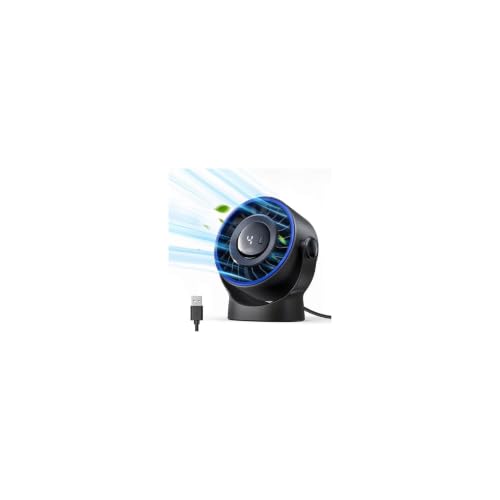
SWEETFULL 5-Inch USB Desk Fan

jxfanch 42-Inch Flush Mount Ceiling Fan with Dimmable Light
WHATOOK 10000mAh Battery Powered Fan Up to 40H Runtime, 8-Inch Portable Travel Fan

DREO Smart Tower Fan 33 ft/s
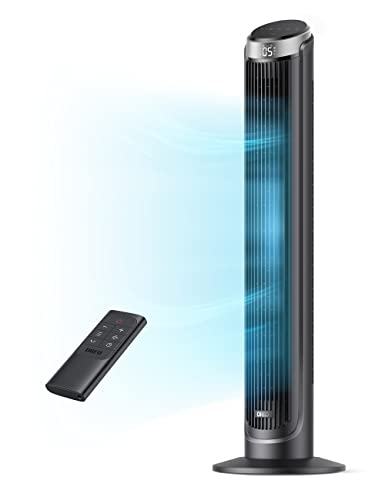
DREO 90° Oscillating Tower Fan

jxfanch 52-Inch DC Motor Flush Mount Ceiling Fan with Light, Remote, 3CCT
jxfanch 52-Inch Dimmable Flush Mount Ceiling Fan with Light, Remote and App
DREO Tower Fan 28 ft/s, 8 Speeds
A Deeper Look At The Lineup
A five-inch desk fan makes more sense when the goal is cooling one person, not circulating air across an entire bedroom. I find the USB format useful beside a laptop, nightstand, or home office because it avoids claiming a wall outlet near the sleeping area.
Seven curved blades and a brushless motor support focused personal airflow, with four speed settings for different levels of distraction. The 25-decibel minimum is especially appealing for reading or light sleep, although the small housing is less suited to cooling a large bed from across the room.
Notable Upsides
- Four speeds make it easy to move from quiet background airflow to a stronger breeze at a desk.
- The 5-inch body fits crowded nightstands and compact work areas without looking bulky.
- USB power suits offices, travel, and bedrooms with a nearby charging port.
- A low 25 dB keeps the fan suitable for reading, studying, or light sleep.
Small Caveats
- Personal airflow reaches a smaller area than the tower and ceiling models in this lineup.
- USB power requires a suitable cable and power source close to the fan.
Quick Facts
Made For
This model suits students, remote workers, and light sleepers who mainly need airflow within arm’s reach.
Another Choice May Suit
The DREO 90° Oscillating Tower Fan better serves a shared room because its wider sweep covers more than one sleeping area.
A 42-inch flush-mount fan offers a more permanent solution than a portable model, particularly in a bedroom with a low ceiling and limited floor space. The low-profile housing sits close to the ceiling, while the integrated light removes the need for a separate bedside lamp in a compact room.
Reversible blades add year-round utility, and the copper motor supports quieter operation than a basic pull-chain unit. Compared with the SWEETFULL desk fan, this model circulates air across the whole room, though installation and ceiling compatibility become important considerations.
Points In Its Favor
- The flush profile preserves the open feeling of a low-ceiling bedroom.
- Reversible blades make one fixture useful across changing seasons.
- Three color temperatures shift the light from warm to neutral or daylight tones.
- Remote and app control make the fan and light convenient after settling in.
Practical Considerations
- The 42-inch span still needs enough clear ceiling space for proper blade movement.
- A permanent ceiling installation calls for a compatible electrical box and mounting setup.
Core Details
Who It Suits Best
This ceiling fan fits homeowners with a low ceiling who want cooling and adjustable lighting in one fixture.
A Better Fit Elsewhere
The jxfanch 52-Inch DC Motor Flush Mount Ceiling Fan with Light, Remote, 3CCT suits larger rooms needing more blade span.
The 10,000mAh battery changes the placement rules for this portable fan. I can picture it on a hotel nightstand, a tent table, or a bedroom desk where a nearby outlet would otherwise limit the setup.
The eight-inch frame remains slimmer than many tower fans, and the folding design makes it easier to pack. A listed runtime of up to 40 hours is useful for travel, although actual operating time will vary with the selected speed and operating conditions.
Practical Advantages
- Rechargeable operation removes the need to stay near a wall outlet.
- The foldable body suits suitcases, cruise cabins, camping gear, and small rooms.
- A dedicated sleep mode provides a softer setting for nighttime use.
- The built-in LED lantern adds a second function for dark tents or power interruptions.
- Up to 40 hours of listed runtime supports extended periods away from household power.
Less Ideal Details
- The battery needs charging before extended travel, so outlet access still matters at the start of a trip.
- An eight-inch fan gives less room-wide coverage than a full-height tower model.
- The lantern adds a little bulk compared with a basic folding fan.
Travel Ready
Campers, cruise travelers, and people furnishing temporary sleeping spaces gain the most from the rechargeable format.
Swap It Out When
The DREO Smart Tower Fan 33 ft/s better serves a permanent bedroom or patio where strong, sustained airflow matters more than cordless packing.
This tower makes the strongest case for a large bedroom, finished basement, garage, or covered patio where personal-size airflow would feel confined. Its listed 33-foot-per-second output, 42-foot reach, and 2,022 cubic feet per minute give it a more forceful profile than the other tower models here.
I would pair those specifications with the 20 dB operating figure when planning a bedroom. The smart controls and indoor-outdoor rating also widen the use case, although setup takes more consideration than a simple bedside fan.
The Upside
- High-velocity airflow suits large rooms and spaces that need rapid circulation.
- A 20 dB figure supports quiet bedroom use while retaining substantial output.
- The 42-foot reach covers a wider area than typical compact tower fans.
- IPX4 water resistance suits splashes around a patio or poolside area.
- Smart controls add scheduling and remote management for a permanent setup.
Where It May Fall Short
- Its size and power requirements make it less convenient for travel.
- IPX4 indicates resistance to water splashes, not full exposure to rain or submerged water.
Technical Highlights
Built With In Mind
This model suits large-room households and patio users who value strong airflow and smart control over a compact footprint.
Reach For A Different Pick When
The WHATOOK 10000mAh Battery Powered Fan is the stronger option for travel because its rechargeable body needs no fixed power connection.
A fan that oscillates through 90 degrees can spread airflow across a bed, desk, and window area without changing position. I see that as a practical improvement over a narrow directional tower, particularly in a bedroom where the bed and nightstand sit at different angles.
The TurboSilent design is listed at 28 dB, and the built-in timer can run from one to 12 hours. Compared with the SWEETFULL personal fan, this model covers more of the room, though it still depends on a suitable outlet and floor space.
Features That Help
- The 90-degree oscillation distributes airflow across a wider section of the room.
- A 28 dB operating level suits bedrooms where steady background noise would be distracting.
- The 1-to-12-hour timer makes bedtime and daytime cooling schedules easier to manage.
- The narrow tower format preserves more floor space than a conventional bladed fan.
Possible Compromises
- The fan needs a stable floor position with enough clearance for oscillation.
- A fixed bedside direction can still leave parts of an unusually large room less directly served.
Right Fit For
Shared bedrooms, home offices, and children’s rooms benefit from the broad sweep and programmable operating time.
Look Elsewhere When
The DREO Smart Tower Fan 33 ft/s fits larger spaces better because its longer reach and higher airflow target cover more area.
At 52 inches, this fan is built for bedrooms with enough floor area for a generous ceiling span. I would think of it as a whole-room fixture for a larger bed, high traffic layout, or master bedroom, rather than a solution for a very compact room.
The metal frame, copper motor, and DC motor construction form a more substantial mechanical package than the smaller personal models. Reversible blades support seasonal use, while the remote, dimmable light, and three color temperatures reduce the need for separate bedside controls.
The Value In It
- The 52-inch blade span distributes air across a larger bedroom footprint.
- A metal housing adds structural substance around the motor housing.
- Six speeds allow airflow to be matched to different times of day.
- The dimmable 3CCT light supports reading, general tasks, and brighter daytime use.
- Reversible blades extend the fan’s usefulness beyond warm weather.
Things To Weigh
- The 52-inch span requires more ceiling and room clearance than the 42-inch jxfanch model.
- Flush-mount installation still requires a compatible ceiling box and proper mounting clearance.
Feature Breakdown
Whose Shelf It Belongs On
This fixture suits larger-bedroom households and farmhouse-style interiors that can accommodate its substantial span.
Where A Sibling Pick Shines
The jxfanch 42-Inch Flush Mount Ceiling Fan with Dimmable Light fits smaller rooms and lower-ceiling spaces more easily.
The main distinction here is app control paired with a 52-inch flush-mount body. I would consider it for a larger bedroom where a traditional wall control would be inconvenient, especially with the light and fan adjusted from a phone or remote.
Six fan speeds, reversible blades, and three color temperatures provide the familiar ceiling-fan controls. The tradeoff is room scale: its 52-inch diameter needs more space than the 42-inch jxfanch model and more installation planning than a portable tower fan.
What Stands Out
- App control adds convenient access to fan speed and lighting settings.
- A remote provides a convenient alternative to phone-based control.
- The 52-inch span suits a larger bedroom rather than a compact sleeping area.
- Three color temperatures make the integrated light useful at different times of day.
- Reversible blades support year-round air movement.
Details To Watch
- Smart control is less attractive for anyone who prefers physical controls alone.
- The large diameter calls for a compatible ceiling box, adequate clearance, and enough room around the bed.
Best Suited To
Connected-home households and larger bedrooms benefit most from the combination of app access, remote control, and wide blade coverage.
Consider Something Else When
The DREO 90° Oscillating Tower Fan is easier to reposition and requires no ceiling installation, making it a stronger fit for temporary spaces.

Eight speed settings create a more gradual adjustment than the six-speed tower models, which is useful for matching airflow to a changing night or working from bed. I would favor that control in a bedroom where strong output is sometimes excessive but complete shutdown is inconvenient.
The brushless DC motor and algorithmic impeller are designed to move air efficiently, reaching a listed 28 feet per second with a projected reach of 34 feet. That sits between the SWEETFULL personal fan and the more forceful DREO Smart Tower Fan 33 ft/s.
What Pays Off
- Eight speed levels provide more precise airflow adjustment than most models in the lineup.
- A 28-foot-per-second setting delivers meaningful room circulation.
- The projected 34-foot reach suits medium and larger bedrooms.
- A brushless DC motor supports efficient, low-maintenance operation.
- The narrow tower profile preserves floor space around furniture.
Soft Spots
- The tower needs a stable floor location and access to power.
- Eight settings may feel excessive for a small room, so the lower levels will matter most there.
Important Details
Who Will Love This
Light sleepers and medium-room households appreciate the finer speed control and compact tower format.
Not Your Match When
The DREO Smart Tower Fan 33 ft/s better serves large rooms and outdoor areas that need greater reach and water resistance.
What Matters Before Selecting A Bedroom Fan
Match The Fan To The Area
A five-inch personal fan works best within arm’s reach, while a tower model is better suited to a bed, desk, and window sharing one room. I use ceiling fans for consistent overhead circulation, especially where floor space is already limited by furniture.
Check Noise Before Output
Decibels, abbreviated dB, measure sound level, and lower figures generally mean less audible airflow. A fan listed at 20 dB may fit a sensitive sleeper better than a louder model, while higher output remains useful for a large or frequently occupied room.
Consider Control And Placement
Remote controls, apps, timers, and oscillation each solve a different inconvenience. A bedside fan needs reachable controls, a ceiling fixture needs compatible wiring and mounting, and a portable model needs a practical power source.
Separate Personal And Room Cooling
A compact USB fan is unlikely to replace room-wide circulation in the same way as a 42- or 52-inch ceiling fan. I would choose a personal model for a desk or nightstand and a tower or ceiling model when the whole sleeping area needs moving air.
Common Mistakes Worth Avoiding
Mistaking A Small Fan For Room Coverage
A compact desktop model can feel effective directly in front of it while leaving the opposite side of the bed unchanged. I would judge the intended coverage area before choosing based on appearance or size alone.
Overlooking Installation Details
Ceiling fans need sufficient blade clearance, a compatible electrical box, and enough room around the bed. Portable towers need a stable outlet position, while rechargeable models need charging time before travel.
What The Higher Tier Buys
More Coverage And Control
Higher-tier models tend to add larger blade spans, more speed levels, wider oscillation, smart controls, or integrated lighting. Those features matter most in larger rooms, connected homes, and spaces where changing airflow or lighting by hand becomes inconvenient.
The added capability should match a real constraint. A compact room may gain little from a 52-inch ceiling fan, while a large bedroom may benefit from stronger output, broader reach, and quieter operation than a basic model provides.
Frequently Asked Questions
Is A Ceiling Fan Better Than A Tower Fan For A Bedroom?
A ceiling fan works best when the room has a compatible ceiling box and enough clearance for the blade span. A tower fan is easier to reposition and often suits bedrooms without permanent installation.
What Is The Quietest Fan In This Lineup?
The DREO Smart Tower Fan 33 ft/s lists a 20 dB operating level, making it the quietest specified figure here. The SWEETFULL 5-Inch USB Desk Fan is also listed as low as 25 dB for close-range use.
Are Small Desk Fans Good For Sleeping?
A small fan can work beside a bed because it offers targeted airflow and takes up little space. Its size makes it less effective across a large room, so bed size and placement matter.
Which Fan Is Best For A Low Ceiling?
The jxfanch 42-Inch Flush Mount Ceiling Fan with Dimmable Light is a strong low-ceiling option because its housing sits close to the ceiling. Installation clearance still needs checking before mounting.
Do Tower Fans Cool The Entire Room?
Tower fans move air through the room rather than lowering the air temperature like an air conditioner. Their reach and oscillation determine how effectively that circulation covers the sleeping area.
The Takeaway
The best bedroom fan depends on the space, not just the specification list. I rely on the SWEETFULL for close-range desk cooling, the WHATOOK for cordless travel, and DREO or jxfanch models for broader room circulation. Measuring the bed, checking ceiling clearance, and deciding how much noise is acceptable will narrow the choice faster than any single headline feature.