
A wet foundation wall can turn a small construction detail into a serious moisture problem, especially around windows, doors, steps, and exterior masonry. The right system depends on the surface, the amount of movement it experiences, and whether the project involves a foundation wall, tiled area, concrete surface, or exterior wood. These options serve homeowners, remodelers, and contractors by matching different water-management needs with distinct coating and membrane formats.
How The Shortlist Stacks Up

Prosoco R-Guard FastFlash
Liquid Rubber Foundation Sealant

MAPEI Mapelastic WaterStop Liquid Membrane

Laticrete Hydro Ban XP 1 Gallon
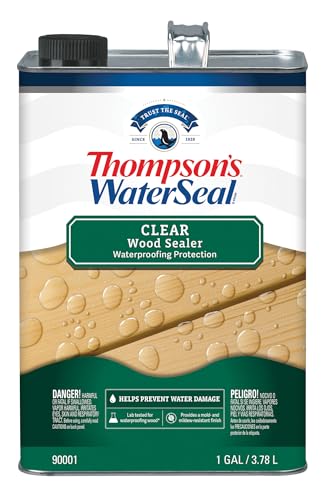
Thompson’s WaterSeal Clear

STF ShangTianFeng Exterior Wood Stain and Waterproofing Sealant, Dark Walnut

Rust-Oleum 100001 Waterproofer
Window and door openings are common trouble spots on an exterior wall because several materials meet in a small area. Prosoco R-Guard FastFlash is built for that kind of transition, using a liquid flashing membrane that can reduce the need for separate reinforcing tape. The sausage format also keeps the material ready for targeted applications rather than a full-foundation coating job.
Its single-component approach makes it useful for contractors working around a busy construction schedule. The formula bonds to many common building materials without a separate primer and tolerates exposure during construction, which matters when a wall cannot be enclosed immediately. Compared with the broad foundation sealant later in this list, FastFlash focuses on preparing joints and transitions.
Benefits That Matter
- Eliminates the need for separate joint reinforcing tape at many prepared transitions.
- Works without priming on many common building substrates.
- Resists damage from weather exposure during construction.
- Bridges small joint movement and cracking with a flexible polymer membrane.
Things To Consider
- The 20-ounce sausage format is suited to local details, not automatically a whole-wall membrane.
- Surface preparation still matters because the material must contact a clean, suitable substrate.
Key Specs
Made For
This is a strong fit for contractors preparing window, door, and similar exterior wall transitions where a liquid flashing membrane is more useful than a broad coating.
Consider Something Else When
Liquid Rubber Foundation Sealant is a better fit when your main need is a flexible coating for a larger basement or foundation area.
A black, liquid-rubber membrane can be a practical choice for a homeowner dealing with a basement wall or foundation repair where a flexible barrier is needed. Liquid Rubber Foundation Sealant is sold in a one-gallon container and is intended to create a continuous waterproof membrane rather than a narrow patch around one joint. That makes it a different tool from Prosoco R-Guard FastFlash, which concentrates on flashing details.
The stated 900% elongation is the key technical feature for many DIY projects. Elongation describes how far a material can stretch before reaching its limit, so a highly flexible membrane can accommodate movement better than a rigid coating. It also gives the product a role in shower liners and planter boxes, although those applications call for careful surface preparation.
The Upside
- Creates a flexible waterproof membrane for basement and foundation work.
- High elongation helps the coating accommodate moving substrates.
- Useful for leak-repair areas, shower liners, and planter boxes.
Minor Gripes
- The black finish may show surface texture and application marks more readily than a clear sealer.
- A one-gallon container needs close attention to coverage for a large wall.
Feature Snapshot
Who It Suits Best
This suits homeowners and remodelers coating basement or foundation areas where flexibility matters more than a clear, natural-looking finish.
Another Choice May Suit
MAPEI Mapelastic WaterStop is a better fit for a tiled floor or wet-room installation where crack isolation and tile compatibility are the main requirements.
When a waterproofing layer sits beneath ceramic tile or stone, crack isolation becomes as important as moisture protection. MAPEI Mapelastic WaterStop is designed for that combined role, covering residential and commercial floors, walls, ceilings, bathrooms, kitchens, and other demanding surfaces. Its one-gallon format makes it more of a targeted installation product than a casual one-coat wall treatment.
The membrane handles in-plane cracks up to 1/8 inch, meaning cracks that travel within the plane of the slab or wall rather than through a structural joint. That makes it useful for many ordinary movement cracks, but not a solution for every structural problem. Unlike Liquid Rubber Foundation Sealant, this product is built around use below tile or stone.
Noteworthy Benefits
- Combines waterproofing with isolation of in-plane cracks up to 1/8 inch.
- Works under ceramic tile and stone across residential and commercial areas.
- Suitable for shower surrounds, kitchens, laundry rooms, and submerged tile applications.
- Can be used on cantilevered balconies and decks over unoccupied space.
Details To Watch
- Reinforcing fabric is sold separately and is optional for coves, corners, and field application.
- The listed crack coverage applies to nonstructural in-plane cracks, not every type of movement.
Core Details
The Right Fit
This is a good choice for tile setters and remodelers building a waterproofing and anti-fracture layer below floors, walls, or wet-room finishes.
A Better Fit Elsewhere
Rust-Oleum 100001 Waterproofer is a better fit when the project is a vertical concrete or masonry wall that needs a penetrating primer and sealer rather than a tile-ready membrane.
A bathroom project often has to balance waterproofing, crack protection, and a workable schedule. Laticrete Hydro Ban XP is a self-curing liquid membrane intended for interior and exterior residential, commercial, and industrial applications, including steam rooms, kitchens, food-processing areas, and pools. That range makes it a broader wet-area option than the more narrowly focused wood sealers later in the list.
The stated two-hour flood-test interval can help organize installation around tile or other finishes, while the listed curing temperature of at least 35°F gives you a clear environmental check before starting. Compared with MAPEI Mapelastic WaterStop, Hydro Ban XP offers a self-curing format and anti-fracture protection without requiring fabric for the stated 1/8-inch capability.
The Good Stuff
- Supports a two-hour flood-test interval for installation planning.
- Provides 1/8-inch anti-fracture protection without requiring reinforcing fabric.
- Handles interior and exterior uses, including pools, fountains, and steam rooms.
Points To Note
- Substrate and ambient temperatures must be at least 35°F for the stated curing conditions.
Built With In Mind
This suits tile crews and bathroom remodelers who need a flexible waterproofing and anti-fracture membrane for a wet room or similarly demanding finish.
Look Elsewhere When
Prosoco R-Guard FastFlash is a better fit for preparing exterior wall transitions and penetrations rather than creating a wet-room membrane beneath finishes.
Exterior wood siding, trim, and some masonry details need protection without changing the surface’s appearance. Thompson’s WaterSeal Clear is designed for that kind of invisible-looking finish, helping preserve the natural color of wood while adding a water-resistant seal. It can also serve as a sealer for brick, concrete, and masonry, giving you more than one use in the same one-gallon container.
Soap-and-water cleanup is a practical feature for a homeowner applying it around a garage, porch, or exterior wall. Compared with Laticrete Hydro Ban XP, which is centered on waterproofing and anti-fracture membranes for wet areas, this product is more directly useful for preserving visible exterior surfaces.
The Practical Payoff
- Leaves exterior wood with a clear finish that helps maintain its natural color.
- Works on wood, brick, concrete, and masonry surfaces.
- Soap-and-water cleanup keeps cleanup simple for small exterior projects.
Small Caveats
- It is a clear sealer, so it will not create the dark walnut color offered by the next option.
- Its surface-protection role differs from a liquid membrane intended beneath tile or stone.
Quick Facts
Made For
This is a practical choice for homeowners protecting exterior wood, brick, concrete, or masonry while keeping the underlying color visible.
Reach For A Different Pick When
STF ShangTianFeng Exterior Wood Stain and Waterproofing Sealant is a better fit when you want a dark walnut stain and preservative combined with a weather-resistant seal.
A deck or fence that needs both color and weather protection can make two separate products feel like unnecessary extra steps. This STF ShangTianFeng one-gallon product combines exterior wood staining, sealing, preserving, and waterproofing in a dark walnut finish. That makes it a different kind of exterior treatment from the clear, low-visibility option in Thompson’s WaterSeal Clear.
The formula is intended to resist rain, snow, and ultraviolet exposure while adapting to the natural expansion and contraction of wood. In a backyard setting, those features matter because outdoor surfaces repeatedly move between sun, moisture, and temperature changes. The stain-and-seal combination is most useful when changing the color of wood is part of the plan, not just adding a clear protective coat.
What Works In Its Favor
- Combines stain, sealer, preservative, and waterproofing functions in one product.
- Provides UV protection for exposed exterior wood.
- Adapts to wood movement as temperatures change.
- Dark walnut color gives decks and fences a finished appearance.
Less Ideal Details
- The dark walnut color cannot preserve the original appearance of lighter wood.
- It is intended for wood surfaces, not concrete or masonry foundations.
Right Fit For
This suits homeowners refreshing an outdoor deck or fence who want a colored, weather-resistant finish in a single application step.
Not Your Match When
Thompson’s WaterSeal Clear is a better fit when you want to protect wood or masonry without changing its natural color.
Vertical concrete and masonry walls often need a penetrating treatment before paint or another finish goes on. Rust-Oleum 100001 Seal-Krete Original is built for that role, entering the pores of the surface and binding loose sand and cement particles into a tough, flexible, breathable film. That description sets it apart from the thicker liquid membranes intended for waterproofing under tile.
It can also help bind chalky surfaces and improve paint adhesion on painted or unpainted substrates. Compared with MAPEI Mapelastic WaterStop, Rust-Oleum focuses on concrete and masonry preparation rather than a flexible membrane beneath tile or stone. For a vertical foundation wall, that narrower purpose can be exactly what you need.
Key Advantages
- Penetrates concrete pores and binds loose surface particles.
- Forms a flexible, breathable film for vertical concrete and masonry.
- Helps improve paint adhesion on chalky, painted, and unpainted surfaces.
Potential Drawbacks
- Its primer-and-sealer role is not the same as a membrane installed beneath tile or stone.
- Breathability describes the finished film, so it should not be treated as a substitute for a dedicated waterproofing assembly.
Technical Highlights
Who Should Grab It
This is a good fit for a homeowner or painter preparing a vertical concrete or masonry foundation wall before applying a compatible finish.
Swap It Out When
MAPEI Mapelastic WaterStop is a better fit for a floor or wall that needs waterproofing and crack isolation beneath ceramic tile or stone.
Planning a Foundation-Waterproofing System That Fits
Match the Product to the Surface
A liquid membrane, penetrating sealer, and exterior wood finish solve different problems, even when each is described as waterproofing. Start with the material that will actually be coated: concrete, masonry, wood, tile, stone, or a transition between several surfaces. This prevents a convenient one-gallon container from becoming a costly mismatch.
Account for Movement and Exposure
Crack isolation matters where floors, walls, and substrates can move independently. For exterior construction details, weather exposure during installation also matters, particularly when a wall will remain open. Choose a product whose application conditions and reinforcement requirements match the project rather than relying on a general waterproofing label.
Plan the Installation Sequence
Think about what comes before and after the coating, including tile, paint, soil, flashing, and drainage. Check the listed curing or flood-test interval before scheduling the next trade. A system that fits the sequence is usually more useful than one with a longer list of features.
Two Checks That Prevent Costly Mismatches
Mistakes Worth Dodging
The most common error is choosing a product for the project name rather than the surface and movement requirements. A wood stain, concrete primer, and tile membrane can all sound suitable, but they belong in different assemblies. Read the listed surfaces, crack limits, reinforcement guidance, and curing conditions before opening the container.
What Separates Premium From Basic
A higher-priced option may add useful flexibility, broader substrate compatibility, faster testing, or a combined finish. Those extras matter when the surface is difficult to rework or the installation schedule is tight. For a simple, well-prepared surface, a basic option can be the more sensible choice, provided its stated limits fit the job.
Frequently Asked Questions
Can a foundation sealer replace flashing?
No. A foundation sealer or primer protects a broad surface, while flashing addresses joints, penetrations, and transitions. A complete exterior detail may need both functions.
Which option suits exterior wood siding?
Thompson’s WaterSeal Clear suits wood that should retain its natural color, while the STF ShangTianFeng option suits projects that want a dark walnut stain. Both are wood treatments rather than foundation-wall membranes.
Does MAPEI Mapelastic WaterStop require reinforcing fabric?
Reinforcing fabric is optional, though MAPEI sells it separately for coves, corners, and field application. It can add support where the installation calls for reinforcement.
Can Hydro Ban XP be flood tested after two hours?
The stated flood-test interval is two hours, subject to the product’s curing conditions and instructions. Confirm that the substrate and surrounding temperature meet the stated requirements first.
Which product suits vertical concrete and masonry?
Rust-Oleum 100001 Waterproofer is designed for vertical concrete and masonry, with a penetrating primer-and-sealer film. It serves a different purpose from a flexible membrane placed under tile.
Final Verdict
Your decision starts with the surface and ends with the finished appearance: transitions call for FastFlash, tiled areas suit Mapelastic WaterStop or Hydro Ban XP, vertical concrete favors Rust-Oleum 100001, and exterior wood calls for Thompson’s or STF ShangTianFeng. Match the product to the detail, check the installation conditions, and keep the scope realistic. The right choice is the one whose stated limits match your actual project.