
Water creeping through exterior walls, damp concrete, or a foundation joint can turn a small opening into a costly repair. You’ll find practical sealing options here for patch work, broad surface protection, detailed flashing, and flexible foundation membranes, with each choice matched to the surface and weather conditions it handles best.
The Lineup, Simplified

Waterproof Sealant 17.6 Oz
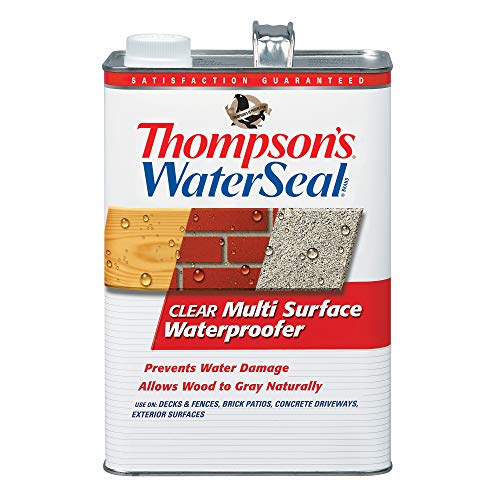
WaterSeal Clear Waterproofer

Prosoco R-Guard FastFlash
Liquid Rubber Foundation Sealant

Flex Seal Liquid 128 oz
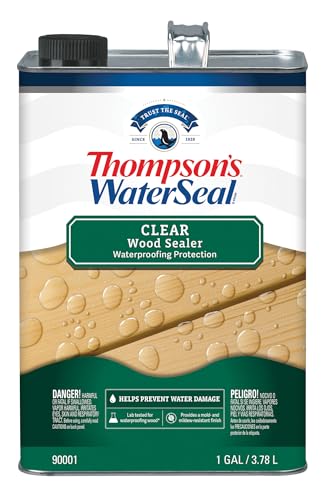
WaterSeal Clear Wood Sealer

Rain Guard Concrete Sealer 1 Gallon, Silane/Siloxane
Meet The Standout Selections
Waterproof sealant works best when you can see the problem and reach it without scaffolding. This FURRELOR option suits cracks, seams, and small openings on exterior walls, gutters, chimneys, skylights, and other compatible surfaces around a home.
The water-based formula dries as a transparent film, preserving the underlying color and texture. Its self-leveling application helps the material flow into fine gaps, although the stated limit of 2 mm means wider joints need another approach.
Well-Handled Touches
- Clear finish leaves brick, tile, metal, wood, and other surfaces visually unchanged.
- Brushing, rolling, or pouring lets you match the application method to the repair.
- UV resistance and temperature tolerance suit exposed exterior work.
- Multiple coats can reinforce areas that receive heavier exposure.
- The 17.6-ounce container covers about 7 square feet across two or three coats.
Trade Offs
- Application requires temperatures above 50°F, and cold weather slows curing.
- Rainy or humid conditions can leave a milky finish, so application needs a dry window.
Quick Facts
Who It Suits Best
You’ll appreciate this option for small, reachable foundation cracks on walls, window sills, or connected roof details where a discreet finish matters.
Consider Something Else When
Homeowners needing a full flexible foundation membrane will find Liquid Rubber Foundation Sealant more directly suited to broad wall coverage.
A clear finish becomes especially useful on exterior wood that you want to protect without hiding its natural grain. This gallon-sized Thompson’s treatment is aimed at maintaining wood color while adding water resistance to outdoor projects such as decks and trim.
Unlike FURRELOR Waterproof Sealant, which concentrates on crack sealing and transparent film formation, this product emphasizes exterior wood appearance and broader project refinishing. Its UV-resistant polymers also help preserve color as the surface faces prolonged sunlight.
Positive Points
- Clear application maintains the visible character of exterior wood.
- Water-repellent protection reduces exposure to rain and moisture.
- UV resistance supports color retention on sun-facing surfaces.
- One gallon suits manageable deck, fence, and trim projects.
Practical Considerations
- This is a wood-focused waterproofer, not a complete foundation membrane.
- Check that the existing surface is compatible before using it near masonry transitions.
Key Details
Built With In Mind
This treatment fits homeowners protecting visible exterior wood around decks, fences, or trim who want the grain and natural color to remain prominent.
Another Choice May Suit
You’ll find Rain Guard Concrete Sealer more appropriate for porous foundation concrete, while this option favors exterior wood surfaces.
Foundation leaks often begin at transitions, and Prosoco R-Guard FastFlash is built for that detailed work. Liquid flashing is a fluid sealant used to create a watertight seal around joints and irregular connections where conventional flashing tape is cumbersome.
The single-component formula eliminates the need for reinforcing tape on suitable joints. That makes the sausage format appealing for repairs around penetrations, wall transitions, and other complex shapes where a broad coating would be difficult to control.
What Helps Most
- One component simplifies preparation without separate reinforcing tapes.
- Silane-functional polymer chemistry supports adhesion and crack bridging.
- It bonds to most common building materials without a primer.
- Weather exposure during construction does not require immediate protection.
Small Caveats
- The 20-ounce sausage is practical for details rather than coating an entire foundation wall.
- Its purpose is flashing, so you’ll need a different membrane for broad surface protection.
The Right Fit
You’ll benefit most from this option when concentrating on joints, penetrations, and irregular foundation connections during construction or repair.
Where Another Pick Suits Better
Large exposed wall areas call for Liquid Rubber Foundation Sealant, while R-Guard FastFlash concentrates on the vulnerable details.
Wide foundation walls need more than a narrow patch compound. Liquid Rubber Foundation Sealant creates a flexible waterproof membrane for basement walls, foundation leak repairs, shower liners, and planter boxes, giving you a dedicated option for larger surfaces.
Its listed 900% elongation means the cured material can stretch substantially without losing continuity. Compared with Prosoco R-Guard FastFlash, which solves narrow transition details, this gallon container is better suited to coating broader wall areas with a continuous rubberized layer.
Positive Takeaways
- Flexible membrane movement suits surfaces that may shift or crack.
- Broad application coverage addresses whole foundation sections.
- Black finish suits concealed basement and foundation work.
- The same sealant supports shower-liner and planter-box applications.
- One gallon gives you more material for larger repairs.
Points To Note
- A visible black coating differs from the clear or natural finishes in this lineup.
- Foundation coverage takes preparation and several applied layers rather than a single touch-up.
Feature Snapshot
Made For
This sealant fits homeowners coating substantial foundation or basement surfaces who value flexibility over a completely transparent appearance.
Look Elsewhere When
You’ll want WaterSeal Clear Waterproofer instead for exterior wood where retaining the natural grain is the main priority.
One container can cover several outdoor sealing tasks, which makes Flex Seal Liquid useful when your project spans more than one material. You can brush, roll, dip, or pour the gray liquid rubber onto suitable surfaces, giving you flexibility around oddly shaped details.
Its rust and corrosion resistance makes it a consideration for exterior metal components, while chemical resistance broadens its use around the home. Unlike the concrete-specific Rain Guard treatment, this coating is presented as a general-purpose liquid rubber for water, air, and moisture protection.
Where It Delivers
- Four application methods suit flat, recessed, and irregular areas.
- The large 128-ounce container supports several household projects.
- UV, chemical, rust, and corrosion resistance suit exposed outdoor work.
Some Limits To Know
- The gray finish is more visible than the clear treatments in this lineup.
- Its general-purpose formula lacks the concrete-specific focus of Rain Guard Concrete Sealer.
- Surface compatibility and required coat count still determine whether it belongs on your project.
Who Should Grab It
This option suits you when exterior metal, mixed household surfaces, and multiple smaller sealing jobs call for one flexible liquid coating.
Reach For A Different Pick When
Your project may be better served by Liquid Rubber Foundation Sealant when the main goal is a flexible membrane across a large foundation wall.
Exterior wood doesn’t always need a dark stain to gain protection. This clear Thompson’s sealer preserves the wood’s natural color while helping guard against water damage, making it a sensible choice for garden structures, trim, and visible masonry accents.
Its usefulness extends beyond wood to brick, concrete, and masonry, so you can treat several porous exterior materials in one project. Compared with the broader multi-surface Thompson’s option, this gallon carries a more specific wood-sealer identity and convenient soap-and-water cleanup.
What Pays Off
- Clear drying keeps the natural appearance of exterior wood visible.
- Water protection supports wood exposed to rain and damp conditions.
- Brick, concrete, and masonry compatibility broadens its project range.
- Soap-and-water cleanup simplifies tool washing after application.
Where It May Fall Short
- It does not provide the same crack-bridging function associated with liquid flashing.
- Very broad foundation walls may require a dedicated rubber membrane instead.
Core Features
Best Suited To
You’ll appreciate this sealer on visible exterior wood, garden structures, and compatible masonry where a natural finish is essential.
Swap It Out When
Prosoco R-Guard FastFlash is the stronger choice for complex joints and penetrations requiring a flexible flashing detail.
Foundation concrete faces water, salts, oil, and weather-driven staining over time. Rain Guard Concrete Sealer provides a dedicated treatment for those porous surfaces, creating an invisible, filmless barrier that absorbs into unpainted, unsealed concrete.
The silane/siloxane formulation is designed to resist water, salt, stains, efflorescence, and harsh-weather exposure without adding a visible surface film. Compared with Liquid Rubber Foundation Sealant, this option prioritizes a natural appearance and penetrating protection instead of a black rubber membrane.
The Practical Payoff
- Natural finish keeps concrete free of a glossy or colored coating.
- Filmless protection preserves the original surface appearance.
- Water and salt resistance suit exposed foundation walls.
- Protection against oil, stains, and efflorescence broadens exterior coverage.
- The gallon container suits several concrete sections around a home.
Honest Caveats
- Its stated use focuses on unpainted, unsealed concrete rather than surfaces with an existing coating.
At A Glance
Whose Shelf It Belongs On
This sealer fits homeowners protecting unpainted exterior concrete who want water resistance without changing the surface’s natural appearance.
A Better Fit Elsewhere
You’ll want Flex Seal Liquid instead when a general-purpose rubberized coating and multiple application methods matter more than concrete penetration.
Matching Sealants to Foundation Surfaces
Start with the surface and the water’s likely path rather than choosing by container size alone. A hairline crack in exterior masonry calls for a penetrating treatment, a movement-prone joint needs flexibility, and a large wall section benefits from continuous membrane coverage.
Identify the Wet Area
Locate drips, damp patches, staining, and the direction water takes during rain. Foundation-wall dampness may involve runoff, failed joints, porous concrete, or wood trim, and each source changes which sealer makes sense.
Match the Material
A silane/siloxane treatment is suited to porous concrete, while liquid flashing targets joints and transitions. Rubberized coatings offer broader flexible coverage, and clear wood sealers suit visible wood where natural color matters.
Check Conditions Before Coating
Read the temperature, weather, surface, and crack-size limits before opening the container. You’ll get more consistent results on dry, prepared surfaces with enough curing time before rain or heavy moisture arrives.
Avoiding Waterproofing Missteps
Mistakes Worth Dodging
Don’t treat every damp area with the same product, and don’t count on a coating to correct a persistent exterior drainage problem. Check surface compatibility, cure conditions, and coverage before starting.
What The Higher Tier Buys
Higher-cost options often provide more material, a broader application method, or a specialized polymer for demanding joints. Spending more makes sense when a broad foundation membrane or detailed flashing application would replace several separate materials.
Frequently Asked Questions
What is an exterior foundation waterproofing system?
An exterior foundation waterproofing system combines compatible coatings, sealants, and details to protect the outside of a foundation from water and moisture. The right system depends on your foundation material, the leak’s location, and the amount of surface you need to cover.
Can one sealant waterproof an entire foundation?
A single sealant works best when its material and coverage match the project. Broad walls may need a gallon-sized membrane, while cracks and joints can often be handled with smaller, more targeted treatments.
Do clear sealers change the surface color?
Clear sealers are designed to retain the natural appearance of compatible wood, masonry, and concrete. The final appearance still depends on the substrate, preparation, number of coats, and application method.
Can a waterproof coating stop an active leak?
A protective coating can resist moisture but does not correct an active leak without addressing the underlying water entry. Inspect grading, drainage, flashing, and joint movement before treating the exterior surface.
Can every sealant in this lineup be used on concrete?
No, and using the wrong chemistry can lead to poor adhesion or an unsuitable finish. Choose Rain Guard Concrete Sealer for porous concrete, or a compatible broad membrane such as Liquid Rubber Foundation Sealant.
Closing Remarks
The most useful choice depends on the surface, the scale of the repair, and whether you value a natural finish or flexible membrane coverage. Match the product to the specific foundation detail, follow its preparation requirements, and give the application time to cure before judging the result.