
A cracked storage bin, a loose boat trim piece, or a chipped household panel can turn a small repair into a replacement decision. You need an adhesive that suits the plastic, handles the joint, and fits your available work time. The options below range from toughened marine epoxy and moldable repair putty to a flexible contact adhesive, with three pool-repair products included for specialized cement and plaster work.
A Quick View Of The Lineup
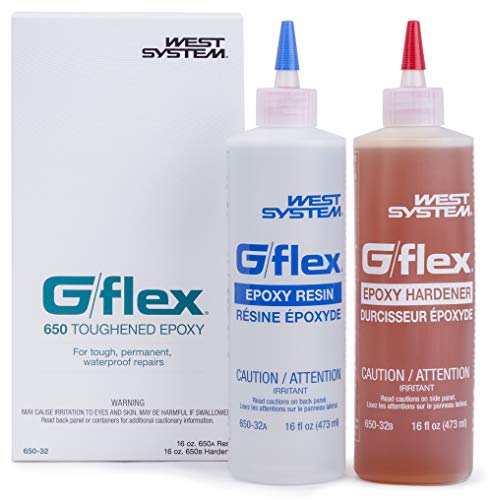
WEST SYSTEM G/Flex 650 Epoxy Resin and Hardener Kit 16 oz.

West System G/Flex Epoxy QT Kit & 807-2 Syringes

E6000 Premium Industrial Strength Contact Adhesive for Plastics
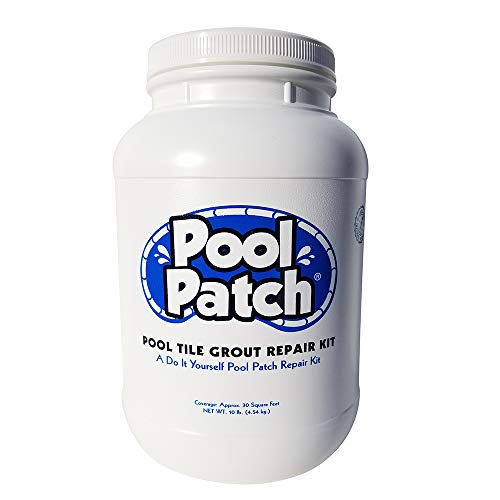
Pool Patch White Tile Grout Repair Kit

Deedsen Waterproof Heat-Resistant Two-Part Epoxy Putty Repair Kit
Pool Patch Sand Buff Cool Deck Patch Kit

Pool Patch White Pool Plaster Repair Kit
The Strengths Of Each Pick
A cracked plastic panel in a boat or outdoor enclosure calls for more than a thin adhesive film. This 16-ounce G/Flex 650 kit uses a toughened liquid epoxy intended for structural work, including fiberglass, metal, ceramic, plastic, and difficult-to-bond wood. That combination suits marine restoration and mixed-material fabrication projects.
Unlike the putty farther down this list, G/Flex arrives as a pourable two-part system that can flow into a prepared joint. In practical terms, you have control over coating and reinforcement applications, although careful surface preparation and proper mixing remain essential.
Notable Upsides
- Toughened formulation suits structural repairs rather than light household assembly.
- Waterproof bonding supports outdoor and marine applications.
- Works across plastics, fiberglass, metals, ceramics, and challenging woods.
- Liquid format can wet out fiberglass tape and fabric reinforcements.
- The 16-ounce bottles provide useful capacity for workshop projects.
Practical Considerations
- Mixing and curing demand dedicated space and attention during application.
- Joint preparation matters because gaps, oil, and loose material can weaken adhesion.
Key Specs
Made For Structural Repairs
This kit benefits marine-restoration hobbyists, fabricators, and homeowners handling cracked plastic components that also contact fiberglass or metal.
A Better Fit Elsewhere
West System G/Flex Epoxy QT Kit & 807-2 Syringes offers more detailed timing information and a smaller syringe format that may suit controlled workshop applications.
Precise working time can matter more than container size in a controlled repair. This G/Flex kit includes quart-scale packaging and 807-2 syringes, while publishing enough timing information to help you plan mixing, reinforcement, and cure time around a busy workshop schedule.
The formula remains a toughened structural epoxy, so it sits closer to WEST SYSTEM G/Flex 650 Epoxy Resin and Hardener Kit 16 oz. than to a household contact adhesive. Its modulus of elasticity, a measure of stiffness, is listed at 150,000 PSI, giving the cured joint more flex than traditional epoxy while retaining structural rigidity.
What Makes Sense
- The 1:1 mixing ratio simplifies preparation for workshop use.
- Forty-six minutes of pot life at 72°F provides time to position parts or reinforce joints.
- It bonds plastics, metals, glass, masonry, and fiberglass.
- Working cure reaches seven to ten hours, supporting a planned project timeline.
- West System fillers and additives can extend its range of workshop uses.
Trade Offs
- The listed cure schedule requires more time than the hand-mixable putty option.
- Small syringe containers can be less convenient for larger quantities.
Technical Sheet
Built With In Mind
Measured workshop tasks, especially mixed-material fabrication and reinforcement work, make this format especially practical.
Another Choice May Suit
Deedsen Waterproof Heat-Resistant Two-Part Epoxy Putty Repair Kit is easier for small cracks and gaps because you shape it directly by hand.
A plastic trim piece, printed model, or craft project may call for broad material compatibility rather than a rigid structural joint. E6000 Premium forms permanent contact bonds with polycarbonate, PVC, ABS, acrylic, polystyrene, fiberglass, and other plastics listed for its use. It also handles wood, metal, fabric, ceramic, glass, cement, and clay.
This flexibility changes the repair method. Unlike WEST SYSTEM G/Flex 650 Epoxy Resin and Hardener Kit 16 oz., which pours into prepared structural joints, E6000 works as a contact adhesive for close-fitting surfaces. The clear finish can also be painted, which helps the repaired area blend into a finished project.
Practical Advantages
- Covers many common household, craft, and 3D-printing plastics.
- Handles difficult joints involving dissimilar materials.
- Extreme flexibility suits pieces that may move slightly.
- The waterproof bond suits indoor and outdoor projects.
- It dries clear and remains paintable for a tidier finish.
- Washer- and dryer-safe bonding is useful for household items.
Where It May Fall Short
- Contact adhesive works best on tightly mating surfaces rather than open gaps.
- It fills and reinforces damaged plastic less effectively than moldable epoxy putty.
- Confirm the exact plastic and finish before committing to an invisible bond.
Feature Snapshot
Right Fit
Flexible crafters, model builders, and homeowners joining plastic to another material will find this the most accommodating option.
Swap It Out When
Deedsen Waterproof Heat-Resistant Two-Part Epoxy Putty Repair Kit is a better fit for filling a chipped edge or shaping adhesive into an uneven plastic joint.
This product handles a different repair problem from the plastic adhesives above. Pool Patch White Tile Grout Repair Kit restores missing or deteriorated grout around old and new pool tiles. Its waterproof Portland cement formula includes a liquid cement bonder, making it a pool-surface repair rather than a general-purpose plastic epoxy.
For a homeowner with a small tile-and-grout repair, the 10-pound tub offers a manageable amount of material. The listed coverage reaches approximately 30 square feet at a quarter-inch thickness, so the actual area and joint depth will determine how much you need.
Practical Pluses
- Waterproof cement suits wet pool-tile environments.
- The included liquid bonder supports adhesion to the repair area.
- One kit can cover old and new tile grout applications.
- Hand mixing keeps the process approachable for home maintenance.
Less Ideal Details
- This is a grout repair material, not an adhesive for broken plastic parts.
- Coverage changes with joint depth and the area being repaired.
Who Will Love This
Pool owners restoring cracked tile grout or filling voids around a small section of pool tile benefit most from this focused repair kit.
Look Elsewhere When
Pool Patch White Pool Plaster Repair Kit is the better choice for small cracks and delaminated areas in the pool plaster itself.
A chipped plastic edge or uneven crack becomes easier to repair when the adhesive can be shaped before it cures. This Deedsen epoxy putty mixes two parts by hand, turns into a workable clay, and can be pressed into damaged areas. You gain control over the repaired contour rather than relying on a thin liquid bond.
That makes it more approachable than WEST SYSTEM G/Flex 650 Epoxy Resin and Hardener Kit 16 oz. for small household jobs. The trade-off is application style: putty handles localized chips and gaps well, while a liquid structural system is better suited to long prepared joints and reinforcement work.
Useful Strengths
- Hand kneading makes small repairs straightforward.
- Plastic compatibility supports cracked or chipped household pieces.
- The clay fills gaps and rebuilds uneven edges.
- It also bonds wood, tile, ceramic, stone, and glass.
- Waterproof and heat-resistant characteristics suit demanding household locations.
Small Caveats
- Careful blending is needed before the putty begins to cure.
- Hand shaping suits localized damage better than extensive structural reconstruction.
Feature Facts
Made For In Mind
Beginner-friendly home repairers will appreciate the straightforward hand-mixing and shaping process.
Reach For A Different Pick When
E6000 Premium Industrial Strength Contact Adhesive for Plastics fits better for closely matched plastic panels and mixed-material craft assemblies.
A cracked pool deck presents a different challenge from bonding loose plastic parts. This Pool Patch Sand Buff kit targets cracks and delaminated areas with a sand-textured patch intended to blend into a cool deck surface. It suits a focused weekend repair around a pool rather than a general workshop adhesive.
The 3-pound format keeps the material focused on localized deck damage, while the simple mix-and-apply approach reduces the need for specialized application techniques. Compared with Pool Patch White Pool Plaster Repair Kit, this option addresses the deck rather than submerged plaster, so choosing by repair location matters.
The Practical Payoff
- Sand texture helps the patch blend with a cool deck finish.
- Both cracks and delaminated deck areas are within its stated purpose.
- Simple mixing suits direct DIY pool maintenance.
- The 3-pound package suits a small pool-deck project.
Possible Compromises
- This product repairs pool decks, not broken plastic components.
- Sand coloring means the surrounding finish should be checked before application.
Who Should Grab It
Homeowners patching a small cracked or delaminated section of a sand-textured pool deck will find this kit purpose-built for the job.
Not Your Match When
Pool Patch White Tile Grout Repair Kit fits better for damaged grout around pool tile.
Small cracks in white pool plaster need a material designed for that submerged surface. This 25-pound kit uses waterproof, pozzolan-blended white cement with a liquid cement bonder. Its stated purpose is patching small cracks and delaminated areas, making it a focused pool-plaster repair rather than a plastic adhesive.
The listed cure time is approximately three to four hours before the repaired area is ready for the pool to be filled. That schedule is a meaningful advantage over a longer structural cure, although the surface must be dry before application and the repair area still needs proper preparation.
A Few Highlights
- White cement is formulated for visible pool-plaster repairs.
- The liquid bonder supports the bond to the prepared surface.
- Waterproof pozzolan-blended cement suits a wet pool environment.
- A three-to-four-hour cure allows a repair to be completed in one visit.
- The kit handles small cracks and delaminated plaster areas.
Practical Considerations
- The repair surface must be dry before application.
- This cement-based product is limited to its listed pool-plaster uses.
Core Details
The Right Fit
Pool owners with small white-plaster cracks or shallow delamination benefit from this repair-focused cement kit.
Consider Something Else When
Pool Patch Sand Buff Cool Deck Patch Kit is the better choice for cracks in the surrounding textured pool deck.
What Matters Before The Repair Begins
Identify The Plastic First
Plastic repair depends on the resin type, surface finish, and the amount of stress the joint will carry. You should confirm that the adhesive listing includes your exact plastic, such as PVC, polycarbonate, ABS, acrylic, or polystyrene. Flexible contact adhesive works well for close-fitting assemblies, while structural epoxy suits prepared joints that need greater stiffness.
Match The Form To The Damage
Liquid epoxy can flow into a narrow joint and form a strong structural bond. Epoxy putty can be shaped around a chipped edge or pressed into a small crack before curing. A contact adhesive needs tight surface contact, so gaps work against it. Choose the form that matches the missing material rather than expecting one adhesive format to handle every repair.
Account For Cure And Preparation
Working time is the period available after mixing, while cure time is how long the material needs to reach a usable cured state. Structural epoxy demands careful measuring, surface cleaning, and uninterrupted setup. Putty offers more handling time, yet mixing still needs to be complete. The pool products add another requirement: their repair surfaces must be dry and prepared.
Avoidable Mistakes With Plastic Adhesives
Common Shopping Slip Ups
Choosing by the word “epoxy” alone can lead to the wrong material for a plastic. Check the listed substrates, joint design, and application method before purchasing. A flexible contact adhesive and a structural epoxy solve different problems, while pool cement serves neither.
What Separates Premium From Basic
Higher-tier adhesives often provide clearer material compatibility, timing information, and controlled mixing formats. Those details help you plan a repair rather than discovering limitations after opening the package. A simpler putty may still be sensible for a small chip, but structural work benefits from more precise application data.
Frequently Asked Questions
Can Epoxy Repair Any Type Of Plastic?
No. Adhesive compatibility depends on the plastic resin and the product formulation. PVC, polycarbonate, ABS, acrylic, polystyrene, and fiberglass appear in the compatible selections listed here, but the exact material should be confirmed first.
Is Epoxy Putty Better Than Liquid Epoxy For A Crack?
Epoxy putty works well for small chips, uneven edges, and gaps because you can shape it before curing. Liquid epoxy suits narrow prepared joints and structural reinforcement. For a long crack that carries load, a toughened liquid epoxy generally fits the joint more closely.
Does E6000 Work On 3D Printed Plastic?
E6000 lists compatibility with common 3D-printing plastics and several engineering plastics. Printed surfaces can carry oils and texture from layer lines, so cleaning and mechanical preparation remain important before applying the adhesive.
Which Option Suits A Broken Plastic Housing?
Deedsen Waterproof Heat-Resistant Two-Part Epoxy Putty Repair Kit is practical for a small chipped housing edge or crack that needs filling. A structural joint under repeated stress favors a liquid epoxy, such as WEST SYSTEM G/Flex 650 Epoxy Resin and Hardener Kit 16 oz.
Are Pool Repair Kits Suitable For Plastic Parts?
No. The pool tile grout, pool deck, and pool plaster kits are cement-based products for their named surfaces. They do not replace epoxy or contact adhesive for repairing plastic components.
Closing Remarks
The strongest general repair choices are West System G/Flex for structural joints, E6000 for flexible mixed-material assemblies, and Deedsen putty for small molded or filled repairs. The three Pool Patch products serve distinct pool surfaces rather than plastic. Match the adhesive to the substrate, damage, and joint design before mixing.