
A hairline crack in a basement wall can look harmless until rainwater traces through the block and dampens the floor above. Epoxy, mortar, and waterproof sealers each handle a different part of the repair, so homeowners and DIY renovators need to match the material to the crack, surface, and amount of water exposure.
The Main Contenders

SUWHXUE Clear Waterproof Sealant 35oz, 1KG for Concrete, Wood, Metal and Roofs

Milliput Epoxy Putty 6-Color Variety Pack
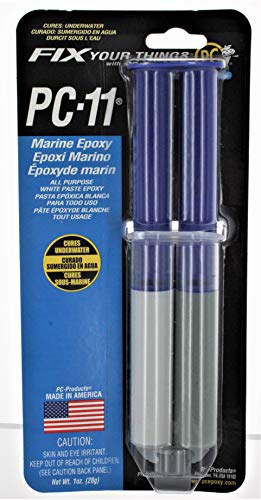
PC-11 White Epoxy Paste

NGBNGB 3lb Gray Concrete Crack Mortar Kit

Waterproof Concrete Crack Filler 1-Pack

Waterproof Concrete Crack Filler 2-Pack
SUWHXUE Clear Waterproof Sealant 35oz, 1KG for Concrete, Wood, Metal and Roofs
More On The Choices That Made The List
A patch that seals water without hiding the original wall texture is useful around windows, roof edges, balconies, and small masonry joints. This water-based coating cures into a clear, flexible film that suits homeowners who want the concrete, wood, or metal beneath it to remain visible.
The brush, scraper, or roller application keeps it approachable for small jobs around a garage or patio. Depending on surface condition and coat thickness, 35 ounces cover about 1.3 square meters, so larger areas need careful planning.
Where It Excels
- Clear finish preserves the original surface texture
- Works across concrete, brick, wood, and metal
- Multiple coats can strengthen the sealing layer
- One container handles several indoor and outdoor repairs
Trade Offs
- Two or three coats are recommended for more stable sealing
- Unsuitable for underwater, standing-water, or busy walking areas
Feature Snapshot
Right Fit
This suits DIYers repairing hairline cracks and joints where appearance and several compatible surfaces matter.
A Better Fit Elsewhere
Choose NGBNGB 3lb Gray Concrete Crack Mortar Kit when a damaged corner or hole needs rebuilding rather than a clear surface coating.
Unlike the SUWHXUE coating, which remains fluid enough to brush or roll, Milliput begins as a pliable two-part putty that you shape directly. That difference makes it useful for filling an irregular masonry void, rebuilding a small edge, or blending a repair into a sculpted surface.
Each pack contains a 4-ounce putty unit, and six colors provide options for matching surrounding finishes. The mixed material becomes hard after curing, while a lightly moistened fine cloth can produce a smoother surface during shaping.
The Good Stuff
- Pliable before curing for controlled shaping
- Six colors support basic visual matching
- Hard finish suits detailed patching work
- Moistened cloth helps refine the surface
Small Caveats
- Manual mixing and shaping take more work than pouring a filler
- The 4-ounce size may require several units for a long crack
Quick Facts
Made For
Detailed DIYers and hobbyists benefit most when precise shaping and a firm final surface matter more than rapid placement.
Where A Sibling Pick Shines
PC Products PC-11 White Epoxy Paste suits larger jobs that benefit from more working time for repositioning the repair.
PC-11 takes a different approach from Milliput by prioritizing placement time over hand molding. Its extended working time means you have more opportunity to reposition material, adjust a joint, or spread the paste over a larger repair before it hardens.
The paste can bond and fill fiberglass, wood, concrete, and metal, making it a practical choice for a workshop, garage, or foundation repair involving more than one material. It also bonds to wet, dry, and submerged surfaces, although a foundation still deserves a close inspection before patching.
Where It Helps
- Extra working time simplifies larger placements
- Bonds across fiberglass, wood, concrete, and metal
- Accepts wet or dry substrates
- Repositioning remains possible during application
Points To Note
- White paste may need finishing for exposed surfaces
- Manual mixing remains necessary for a two-part epoxy
- A moving structural crack can reopen after placement
Technical Sheet
Who Should Grab It
Renovators handling broad or complicated foundation repairs benefit from the additional adjustment time.
Another Choice May Suit
Milliput Epoxy Putty 6-Color Variety Pack fits smaller repairs where hand shaping and surface refinement are the priorities.
This mortar works on a different scale from the clear coatings and ready-to-use pouches. Its specialty cement and reinforced quartz sand formula is intended for filling cracks and holes, rebuilding chipped wall corners, and renewing worn concrete floors or other damaged masonry.
For a substantial wall-corner repair, the 3-pound kit offers more material than a small pouch and a denser result than light sealer. You will need to prepare and mix the dry material, so the trade-off is added project work in exchange for a repair body suited to rebuilding concrete.
Bright Spots
- Designed for cracks, holes, and chipped corners
- Quartz-reinforced cement formula
- Suitable for indoor and outdoor repairs
- Three-pound kit covers substantial masonry work
Where It May Fall Short
- Mixing and placement require more preparation
- Gray mortar will not preserve a decorative finish
Built With In Mind
Weekend renovators restoring chipped concrete, steps, floors, and wall corners get the most practical benefit from this kit.
Look Elsewhere When
SUWHXUE Clear Waterproof Sealant 35oz, 1KG for Concrete, Wood, Metal and Roofs suits hairline cracks where a nearly invisible coating is preferred.
A single narrow crack in a garage step does not always justify mixing mortar or shaping epoxy putty. This ready-to-use pouch offers a simpler route, flowing into gaps and worn areas before settling into a gray finish.
Self-leveling means the material settles to follow the surface rather than requiring careful hand shaping. That behavior suits concrete floors, slabs, walkways, patios, joints, brick, stone, and paving areas where appearance matters during routine maintenance.
What Makes Sense
- No measuring or mixing step
- Settles into narrow cracks and uneven gaps
- Produces a gray finish for joints and surfaces
- Works across several masonry materials
Details To Watch
- One pouch limits coverage to a focused repair
Feature Facts
Who Will Love This
First-time DIYers benefit from the no-mixing pouch for one narrow crack in a garage, patio, or sidewalk.
Consider Something Else When
Waterproof Concrete Crack Filler 3-Pack is more practical when separate cracks appear across a garage, patio, and walkway.
The two-pouch format keeps the same convenient application as the 1-Pack while supplying enough material for more than one localized repair. It remains a practical choice for a weekend spent filling cracks in a garage floor and nearby patio joints.
You still need no extra mixing, and the self-leveling gray material fits concrete, masonry, brick, stone, and paving. Compared with PC-11 White Epoxy Paste, the tradeoff is less control over a sculpted finish, but routine household filling becomes much more approachable.
Where It Delivers
- Two pouches cover separate small repairs
- Ready-to-use application limits preparation
Practical Considerations
- Gray color suits masonry more than decorative finishes
- Self-leveling flow suits gaps rather than raised shaping
- Deep or moving cracks need a different repair approach
The Right Fit
This fits DIYers managing a pair of narrow cracks across patios, steps, walkways, or a garage.
Reach For A Different Pick When
PC Products PC-11 White Epoxy Paste fits mixed surfaces and larger placements where repositioning time matters.

Three pouches make this the practical choice for a property with several isolated cracks. You can address a driveway joint, a patio gap, and a narrow line in a garage floor without mixing or carrying a large container of repair mortar.
The application remains simple: ready-to-use material flows into the gap, settles across uneven areas, and leaves a gray appearance suited to concrete and masonry. The main limitation remains scale, since this is designed for filling routine cracks and worn joints rather than rebuilding missing sections of wall.
Everyday Advantages
- Three pouches support a multi-area project
- No measuring or mixing is required
- Useful across garages, patios, sidewalks, and driveways
Some Limits To Know
- Color and texture are intended for hard surfaces
- Large voids require a stronger repair material
Quick Technical Notes
Whose Shelf It Belongs On
Busy homeowners benefit most when several outdoor hard surfaces need small crack repairs in one project.
Swap It Out When
NGBNGB 3lb Gray Concrete Crack Mortar Kit suits chipped corners, holes, and larger sections needing rebuilding.
Matching Epoxy to the Crack and Surface
Start by identifying the crack before opening a container. A narrow, stable gap in a basement wall may suit epoxy or ready-to-use filler, while a chipped corner or missing section of concrete calls for repair mortar. Widening, shifting, or recurring cracks require attention to the underlying movement before any sealant can help.
Epoxy paste and putty work best where adhesion and controlled placement matter. PC-11 offers longer working time for larger applications, while Milliput can be shaped by hand for an irregular void. Neither product should be treated as a substitute for resolving movement that continues after the repair cures.
Surface finish changes the choice as much as the crack does. SUWHXUE Clear Waterproof Sealant 35oz, 1KG for Concrete, Wood, Metal and Roofs preserves the visible texture, which helps with finished walls, windows, and small roof joints. Gray mortar or filler blends with unfinished masonry but can stand out against decorative surfaces.
Plan coverage before mixing or opening a pouch. The SUWHXUE container covers about 1.3 square meters per application under stated conditions, while the 1-Pack, 2-Pack, and 3-Pack choices differ mainly in project capacity. For larger outdoor work, account for surface condition, coat thickness, and the possibility of a second application.
Key Details That Change the Repair
Mistakes Worth Dodging
Do not select a sealant by appearance alone, since a surface-level patch cannot rebuild missing concrete. Check the surface, crack width, water exposure, and finish before choosing, and remember that standing water and busy walking surfaces call for different products.
What Separates Premium From Basic
Higher-tier products may add working time, larger capacity, stronger material composition, or easier handling. Those features help on complicated projects, but a basic ready-to-use pouch remains sensible for a narrow crack in a garage.
Frequently Asked Questions for Epoxy For Foundation Crack Repair
Can epoxy repair a structural foundation crack?
Epoxy can fill and bond some stable cracks, but widening or shifting cracks need an assessment of the underlying movement. Epoxy alone is not a suitable answer for an actively changing structural defect.
Is concrete crack filler better than epoxy putty?
Concrete filler suits narrow surface gaps and worn joints, while epoxy putty bonds and can be shaped for irregular cavities. Choose filler for routine finishing and putty where controlled placement or adhesion matters.
Can I use waterproof sealant inside a basement?
Water-based waterproof sealant can suit compatible interior surfaces when applied according to the product directions. Dry the area first, and avoid applying it over standing water or to surfaces it is not designed to cover.
Do I need to mix epoxy putty before using it?
Two-part epoxy putty requires mixing before placement. Follow the included directions and work within the available positioning time, especially with products designed for extended adjustment.
What is the best repair for a chipped concrete wall corner?
Dry repair mortar is more suitable than thin filler or clear sealant for rebuilding a chipped corner. Clean the damaged area, form the repair as needed, and allow the mortar to cure before applying a finish.
Final Verdict
Your best choice depends on the damage: use clear sealant for appearance-sensitive seams, epoxy for controlled bonding and shaping, and mortar for rebuilding concrete. Match the product to the surface and crack size, then investigate any crack that continues moving before spending an afternoon on the repair.