
A narrow crack beside a basement wall needs a different approach from a chipped floor corner or a failed tile joint. You also need to account for the surface, moisture exposure, load, and how much curing time your schedule allows. This guide compares seven repair options for concrete cracks and related household damage, including structural epoxies, waterproof coatings, patch mortars, and tile grout.
The Picks In Brief

SUWHXUE Clear Waterproof Sealant 35oz/1KG Waterproof Coating
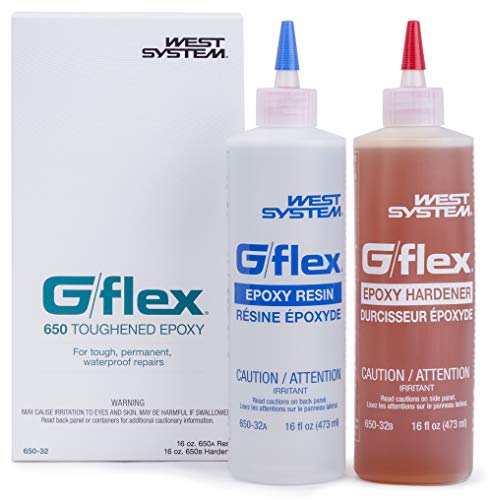
WEST SYSTEM G/Flex 650 Epoxy Kit, 16 oz
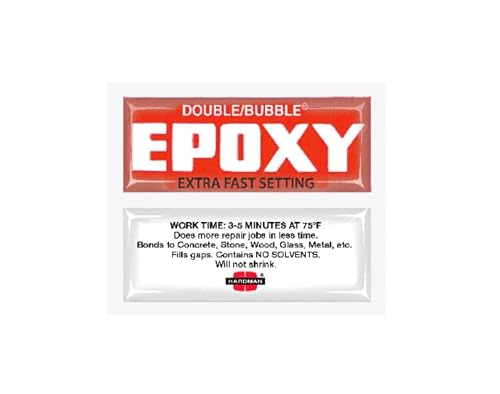
Hardman Double Bubble Red Extra Fast Epoxy
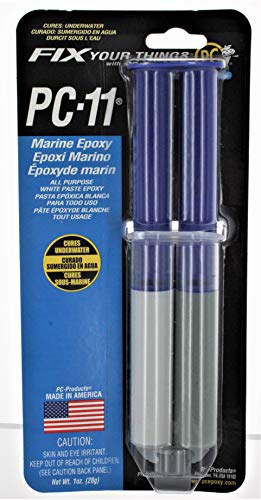
PC-11 White Epoxy Paste

PC Products 016619 Super Epoxy

Concrete Crack Filler Heavy-Duty Mortar Repair Kit 3 lb Gray

LATICRETE SPECTRALOCK PRO Epoxy Grout A&B
The Details Behind The Selections
A damp basement wall or hairline balcony crack calls for a thin, flexible barrier rather than a rigid filler. This water-based coating can seep into small cracks, gaps, and joints, then form a clear film after curing, meaning hardened, without covering the surface texture with an opaque patch.
You can brush, roll, or scrape it onto concrete, brick, wood, and metal. It suits hairline leaks around windows, roofs, gutters, and sheds, though the coat is not intended for submerged locations or standing water.
A Strong Showing
- Transparent cured film preserves the appearance of the repaired surface.
- Water-based application suits DIY projects around walls, windows, and small roof cracks.
- Works across concrete, brick, wood, and metal for mixed-material repairs.
- Additional coats can be added after drying for stronger protection.
Small Caveats
- Coverage depends on the surface and coating thickness, so thick buildup reduces the area treated.
- Standing water and heavily walked surfaces fall outside its intended use.
Quick Facts
Made For
This coating best fits homeowners addressing hairline exterior cracks and minor seepage points around several household surfaces.
A Better Fit Elsewhere
WEST SYSTEM G/Flex 650 Epoxy Kit, 16 oz suits you when the repair needs a tougher structural bond rather than a clear waterproof film.
Concrete cracks that carry weight or sit within a heavily used structure call for more than a surface coating. G/Flex 650 is a liquid structural epoxy, which means it forms a load-bearing bond rather than merely covering the defect, and its toughened formula targets demanding repair and fabrication work.
You gain adhesion to fiberglass, metals, ceramics, plastics, and woods that can be difficult to bond. Compared with the SUWHXUE coating, it prioritizes strength and joint reinforcement, making it a better fit for structural repairs exposed to weather or movement.
A Few Highlights
- Toughened epoxy supports demanding structural and fabrication repairs.
- Waterproof bonding suits damp or exposed repair areas.
- Adheres across fiberglass, metals, ceramics, plastics, and hard-to-bond woods.
- Separate resin and hardener bottles allow controlled mixing.
Practical Considerations
- Surface preparation and careful resin-to-hardener mixing determine the bond, so rushed application adds risk.
- It is heavier and more involved than the small-patch epoxies in this roundup.
Right Fit For
This epoxy best fits experienced DIYers handling reinforced joints, fiberglass components, or structural concrete repairs that require serious bonding strength.
Reach For A Different Pick When
PC Products 016619 Super Epoxy serves you better for a compact, detailed repair where convenient paste application matters more than a large structural batch.
A loose metal bracket or chipped household part rarely deserves a full mixing session. This epoxy provides ten double-component packs with a 3 to 5 minute working time, which is the period available for spreading and positioning the material before it hardens.
It can bond steel, wood, aluminum, ceramic, and tile, then cures clear without shrinking. The multiple small packs reduce waste on one-off repairs, although the short working time leaves little room to reposition a large assembly.
Everyday Advantages
- Three-to-five-minute working time suits small household repairs.
- Ten separate packs keep unused epoxy fresh and reduce mixing waste.
- Gap-filling formula works across steel, wood, aluminum, ceramic, and tile.
- Clear, nonshrinking cure suits repairs where visible adhesive would be distracting.
- Resists water and solvent exposure after curing.
Room For Improvement
- The brief working time makes large assemblies difficult to reposition.
- Several packs offer less mixing control than a bulk epoxy kit.
Feature Snapshot
Who Will Love This
This option suits beginners and busy DIYers who want quick repairs to small parts across several common materials.
Another Choice May Suit
PC-11 White Epoxy Paste fits you better when you need extended working time to spread or reposition a larger repair.
Long repairs benefit from paste epoxy that stays workable after application. PC-11 offers extended working time for spreading, adjusting, and completing larger jobs, and its high “wet grab,” meaning the epoxy grips a damp surface before the cure is complete.
You can bond or fill fiberglass, wood, concrete, and metals, including wet, dry, or fully submerged substrates. That versatility places it between a quick-setting household epoxy and a marine-grade structural system, with more handling time than the Hardman option.
What Makes Sense
- Extended working time gives you room to adjust larger applications.
- Wet grab supports bonding to damp surfaces during the initial placement.
- Works with fiberglass, wood, concrete, and metals.
- Marine epoxy formulation suits wet, dry, and submerged substrates.
- White color blends more naturally with pale repairs.
Possible Compromises
- Paste consistency requires more spreading effort than liquid epoxy.
- The extended cure schedule is less convenient for a same-day emergency fix.
Technical Sheet
Built With In Mind
This paste epoxy best suits experienced DIYers making substantial repairs where repositioning and wet-surface bonding matter.
Where A Sibling Pick Shines
Hardman Double Bubble Red Extra Fast Epoxy suits you better when a short working time is more useful than extended adjustment time.
Repairs above your head or on a vertical surface need an adhesive that stays where you put it. This non-drip, translucent paste epoxy applies through a static mixing nozzle, meaning both components combine as they leave the applicator rather than being measured separately by hand.
The one-ounce format suits small concrete chips, metal parts, wood, and hard plastics. Once cured, the material can be sanded, painted, or sawed, giving you more finishing options than the thicker PC-11 paste.
What Earns Its Place
- Static mixing reduces manual measuring at the nozzle.
- Non-drip paste supports vertical and overhead applications.
- One-ounce size limits material waste on detailed repairs.
- Cured material can be sanded, painted, or sawed.
- Useful on metal, wood, concrete, and hard plastics.
Details To Watch
- The small container suits localized repairs rather than large surface areas.
- A static mixing nozzle must be used for the streamlined application method.
Core Details
The Right Fit
This epoxy fits detail-oriented DIYers needing controlled paste placement on small vertical, overhead, or concrete repairs.
Look Elsewhere When
WEST SYSTEM G/Flex 650 Epoxy Kit, 16 oz suits you better when the repair calls for a larger reinforced bond instead of precise paste placement.
A chipped step corner or broken section of floor needs a material that resembles concrete, not a thin adhesive film. This dry granular mortar uses specialty cement and reinforced quartz sand to fill cracks, holes, damaged corners, and worn indoor or outdoor concrete surfaces.
The 3-pound gray package is more practical for broader masonry damage than the small epoxy containers. Its limitation is equally important: this is a patch mortar rather than an epoxy, so it restores missing material instead of bonding two structural pieces together.
Practical Advantages
- Quartz-reinforced formula targets dense concrete repairs.
- Fills cracks, holes, chipped corners, and worn floor areas.
- Works for indoor and outdoor concrete surfaces.
- Gray color suits unfinished concrete repairs.
- Dry granular format supports larger patch preparation.
Where It May Fall Short
- It is not a bonding epoxy for joining separate structural components.
- The dry material requires mixing and application as a mortar.
Made For
This mortar repair kit best suits homeowners rebuilding chipped concrete edges, filling larger holes, or restoring worn floor sections.
Not Your Match When
WEST SYSTEM G/Flex 650 Epoxy Kit, 16 oz suits you better when you need to reinforce a joint or bond separate concrete components.
Tile joints require a different repair material from a structural concrete crack. This two-part epoxy grout is made for tile joints on walls and floors, with a non-sag formula that helps the material remain in place during installation instead of sliding downward.
You also get uniform color without blotching, easy cleaning back to the original shade, and no separate sealing step. Compared with the other concrete-repair choices, its purpose is narrower but more refined for kitchens, bathrooms, and commercial tile work.
Where It Excels
- Non-sag formula supports installation on walls and floors.
- Uniform color helps create a consistent finished appearance.
- Grout cleans back to its original color.
- Never requires a separate sealing step.
- Meets ANSI A118.3, ISO 13007-3 RG, and EN 13888 RG requirements.
Less Ideal Details
- Its application is limited to tile joints rather than concrete cracks.
- Two separately supplied parts require accurate mixing before use.
Product Snapshot
Whose Shelf It Belongs On
This grout suits homeowners and tile professionals refreshing wall or floor joints where color consistency and simple maintenance matter.
Another Choice May Suit
SUWHXUE Clear Waterproof Sealant 35oz/1KG Waterproof Coating suits you better for a hairline concrete crack near a window, wall, or small roof leak.
Match The Repair Material To The Damage
A concrete crack can present as a hairline opening, a moving structural joint, a damp seepage point, or a missing chunk of material. Start by identifying the problem rather than choosing by product type, because epoxy, coating, mortar, and grout each handle different tasks.
Define The Crack First
Hairline cracks near windows or roofs often need a flexible waterproof coating. Structural epoxy makes more sense for reinforcing a joint or bonding separate pieces, while a dry mortar restores missing concrete around chipped edges and floor holes. Tile grout belongs only in tile joints.
Match Moisture And Exposure
Waterproof bonding matters in basements, exterior walls, and marine repairs. PC-11 offers wet-surface and submerged-substrate compatibility, while SUWHXUE provides a clear barrier for cracks and small seepage points. You should still account for standing water, foot traffic, and the amount of protection each label permits.
Consider Working Time And Application
Working time is the span available to spread and position epoxy before it hardens. A 3-to-5-minute formula suits small, prepared repairs, while extended working time helps with larger applications and repositioning. Non-drip paste is useful overhead or on vertical surfaces, and mortar requires mixing into a workable patch.
Decide Between Repair And Reinforcement
Epoxy reinforces and bonds, mortar replaces missing material, coating blocks moisture, and grout renews tile joints. Check the width, depth, movement, and load of the damaged area so you do not expect a surface seal to perform the job of a structural repair.
Avoid A Repair That Doesn’t Fit
Mistakes Worth Dodging
Choosing by the word “waterproof” alone can lead to the wrong material for the location. Check whether the surface will remain submerged, carry foot traffic, or flex, and match the product to those conditions. Also confirm that the repair area can be cleaned and prepared before application.
What Separates Premium From Basic
Higher-cost epoxy systems may offer greater batch size, tougher bonding, longer working time, or a more controlled mixing method. The added value is meaningful for a large structural repair, while a small household fix may need only a compact pack. Choose the capability that solves your repair rather than extra material you will never use.
Frequently Asked Questions
Can Epoxy Repair Concrete Cracks?
Yes, epoxy can fill and reinforce suitable concrete cracks, especially within stable joints. Broad hairline leaks may need a flexible coating, while missing concrete is better restored with patch mortar.
What Epoxy Works Best on Damp Concrete?
PC-11 White Epoxy Paste is designed for wet, dry, and submerged substrates. Surface preparation still matters, and the product must be applied according to its directions.
Is Epoxy Better Than Mortar for Concrete?
Epoxy is better for bonding and reinforcing joined pieces, while mortar is better for filling holes and rebuilding missing concrete. Your damage type determines the more suitable choice.
Can Clear Sealant Cover a Concrete Crack?
A clear waterproof coating can cover small cracks, gaps, and joints while preserving the underlying appearance. It is less appropriate for standing water, heavy traffic, or structural reinforcement.
Is Epoxy Grout Suitable for Concrete Cracks?
No, epoxy grout is designed for tile joints rather than concrete cracks. Choose a structural epoxy, waterproof coating, or concrete repair mortar based on the damaged surface.
Final Verdict
Your best option depends on the repair itself: use a flexible coating for minor leaks, structural epoxy for reinforced joints, mortar for missing concrete, and epoxy grout for tile. Match the product to the location, moisture, and load, then give careful surface preparation the attention it deserves. A well-matched repair begins with a material that suits the damage rather than the label on the container.