
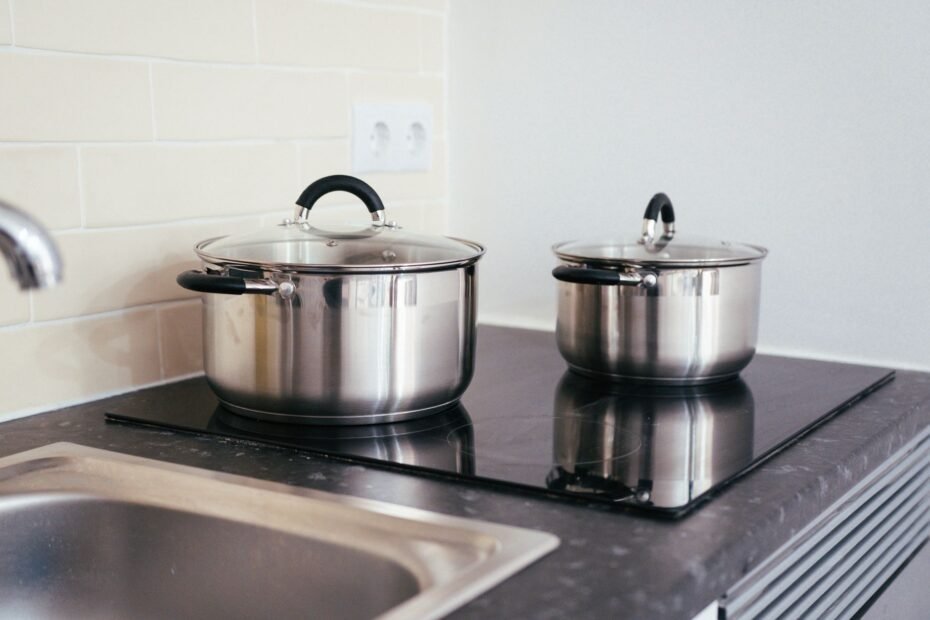
On a cool surface, lift grit with a dry microfiber cloth, wipe with cooktop cleaning cream using light pressure, and buff dry. Your main threat is trapped debris, since salt, crumbs, or burned-on food residue can drag across the glass.
This covers daily wiping, controlled scraping, cloudy marks, and melted spills for anyone caring for a glass-ceramic cooktop or ceramic glass stove top.
The Cooktop Surface Responds Best to Light Contact
Glass-ceramic handles heat but shows surface marks
A glass-ceramic cooktop handles repeated heating, yet its glossy dark finish makes faint scratches and gray drag marks easy for you to spot under kitchen lighting. The surface differs from window glass, so rough pads and gritty powders leave marks that stand out after the cooktop dries.
Loose crumbs, salt crystals, dried sauce, and burned-on food residue act like tiny cutting particles. As your cloth moves across the ceramic glass stove top, trapped grit can leave a curved line that cooktop cleaning cream cannot remove.
A fully cool surface gives you better control
Wait until the cooking area is fully cool before routine cleanup. Hot glass can burn your hand, dry cleaner into streaks, and leave damp cloth residue around the heating zones.
Start with a soft, dry microfiber cloth and lift debris instead of moving it in circles. That dry pass keeps water from turning loose grit into a paste that can scrape the finish during wiping.
Do not scrub a warm burner area to hurry cleanup. Heat and pressure make stuck residue harder to judge, and a damp cloth can slide across the glass.
Proper Tools Keep Grit and Abrasion Off the Glass
A compact kit handles light spills and bonded residue
After the dry pass, the material touching the surface matters as much as your wiping motion. A clean microfiber cloth holds grease and fine particles within its fibers instead of pushing them across the cooktop like a worn dishcloth or scouring pad.
Your kit needs four items: a dry microfiber cloth, a damp microfiber cloth, cooktop cleaning cream, and a fresh single-edge razor scraper. Keep the scraper covered between uses so the blade stays straight, clean, and free of kitchen debris.
| Material | Use on the cooktop | Reason |
|---|---|---|
| Microfiber cloth | Use for wiping and buffing | Your cloth lifts grease and dries the finish without rough fibers. |
| Cooktop cleaning cream | Use for grease and film | It is made for glass-ceramic residue and leaves less film than multipurpose sprays. |
| Fresh razor scraper | Use for bonded residue | A straight blade can shear softened food from the surface at a shallow angle. |
| Steel wool or abrasive pad | Keep off the surface | Metal fibers and harsh abrasives can leave visible scratches. |
Household products have clear limits
Weiman and Cerama Bryte sell cleaners labeled for ceramic glass stove tops. Those formulas target cooktop film and burned grease, but your manufacturer care instructions remain the final word for your model.
Dish soap can leave a dull film, while glass cleaner can streak or leave additives behind. White vinegar can lift light mineral film from a cloth, yet soaking liquid near cooktop seams can leave moisture where it does not belong.
Baking soda feels gritty until it dissolves fully. Keep dry baking soda and thick baking soda paste off a glossy cooktop unless your manufacturer care instructions state that baking soda is suitable for your surface.
- Skip steel wool: Metal fibers can score the finish and catch on burner markings.
- Leave powders dry: Gritty particles grind against glass under hand pressure.
- Set brushes aside: Stiff bristles trap crumbs and press force into narrow tracks.
- Inspect each blade: A chipped, dull, or rusted edge can drag across the surface.
A Light Wiping Routine Clears Daily Film
Grease and fingerprints need moisture, not force
Daily residue comes off through repeated light contact rather than hard scrubbing. Remove crumbs with your dry cloth before adding cooktop cleaner, diluted white vinegar, or any other liquid.
Place a small amount of cooktop cleaning cream on the cooled surface or on your damp microfiber cloth. Spread it in overlapping strokes with light, even pressure across the top instead of grinding into one greasy spot.
- Lift dry debris: Gather crumbs, salt, and dried flakes with a soft cloth before moisture touches the glass.
- Add a small dab: Put cooktop cleaning cream on the cooled glass or your damp microfiber cloth.
- Wipe in passes: Move the cloth across the surface with even pressure and no circular scrubbing.
- Buff the finish: Use a separate dry microfiber cloth until the glass feels dry and looks clear.
Dry buffing clears streaks and pale film
A wet-looking surface can hide residue until overhead light reaches it. Dry buffing picks up cleaner traces and mineral droplets, so your cooktop looks clearer after that final pass.
Use a fresh section of microfiber for the dry pass. A cloth loaded with grease can smear fingerprints back onto the front controls and leave a cloudy band around a cooking zone.
Example: a faint pot ring that disappears after dry buffing is cleaner film rather than a scratch. Repeat the light wipe and dry pass instead of pressing harder with a sponge.
When gentle cleaning leaves a raised deposit behind, targeted removal can prevent repeated rubbing from worsening the surface.
Controlled Scraping Lifts Burned-On Food Residue
Cooktop cream softens the bonded layer
A brown baked patch needs more than a damp cloth. Apply cooktop cleaning cream to the cooled spot and leave it in contact for the label’s stated time so the residue softens before your blade touches it.
Wipe away the material that releases with light pressure. The remaining patch is where you clean burnt-on food from a glass cooktop with a scraper, and softened residue needs less blade pressure.
A shallow blade angle reduces surface contact
Fit a fresh single-edge blade into a scraper made for cooktops. Hold the blade at a shallow 30- to 45-degree angle, then push gently in one direction across the softened spill.
Your scraper should move beneath the residue rather than dig toward the glass. Lift loosened material with a cloth after every pass so crumbs do not collect beneath the blade edge.
Stop when the scraper catches, the blade looks uneven, or debris wedges beneath it. Clean the area, change the blade, and start again with a clear edge rather than forcing another pass.
Once residue is gone, the appearance of what remains determines whether further cleaning or professional assessment makes sense.
A razor scraper is intended for bonded cooktop residue, yet blade corners, damaged edges, and trapped debris can scratch glass. Keep the blade shallow and use light pressure.
Cloudy Marks Need a Different Response Than Scratches
Film sits on top while scratches catch light
After a brown patch lifts away, a pale haze can remain. Cloudy film, streaks, and white mineral-like marks sit on the glass, while a scratch changes the surface and catches light from more than one angle.
| Visible mark | Likely source | Your response |
|---|---|---|
| Brown raised patch | Burned-on food residue | Soften with cooktop cleaning cream, then scrape with a fresh blade. |
| Cloudy gray film | Dried cleaner or mineral deposits | Wipe lightly and buff thoroughly with dry microfiber. |
| White spots | Hard-water droplets or cleaner film | Use a barely damp cloth, then dry the area without scrubbing. |
| Fine line catching light | Surface scratch | Stop abrasive cleaning and contact appliance service for deep damage. |
To remove cloudy residue from a ceramic cooktop, spread a pea-sized amount of cleaner thinly across the affected area. Your dry microfiber cloth should lift the remaining film instead of adding another layer of product.
Sugar, plastic, and foil need prompt model-specific care
Sugar spills from jam, syrup, candy, or pasta sauce can bond tightly as they cool. Follow manufacturer care instructions for these spills, since GE Appliances and Whirlpool publish model-specific directions for hot sugar residue.
Melted plastic and aluminum foil need the same caution. Keep rough pads and aggressive scraping away from the surface, because a rushed blade angle can leave more visible damage than the spill.
Bar Keepers Friend sells a cooktop cleaner, but the product label and your appliance instructions matter more than a brand name. Your goal is residue removal through the method suited to the cooktop surface.
Consistent Habits Keep Residue From Building Up
Short cleanup after cooling limits bonded deposits
A two-minute wipe after the glass cools keeps grease from hardening into a brown rim around the burners. Your attention to sugary drips matters most because those spills can form a stubborn layer as they cool.
Clean the bottoms of pots and pans before setting them on the ceramic glass. Burned grease and crumbs on cookware can leave marks during cooking, even with a careful wiping routine.
- Wait for cooling: Start routine wiping only after the cooking surface feels cool.
- Lift loose grit: Use a dry microfiber cloth before liquid cleaner touches the glass.
- Buff after wiping: Dry microfiber removes streaks and leftover cleaner film.
- Change worn blades: Fit a fresh blade before chips, rust, or dullness appear.
- Clean pan bottoms: Remove baked residue from cookware before placing it on the cooktop.
Surface damage needs service rather than stronger cleaning
Visible cracks, chips, or deep scratches call for service before added force worsens the damage. A mark that remains after careful cleaning could be an etched area, scratch, chip, or crack rather than removable residue.
Consult your manufacturer care instructions for model-specific product limits. Contact appliance service for cracks, chips, lifted edges, or damage that remains after cleaning, since continued heating on damaged glass can worsen the problem.
Takeaways for Scratch-Free Cleanup
Your most reliable routine is simple: cool the surface, lift grit dry, wipe with cooktop cleaning cream and microfiber, then buff until no film remains. Reserve the fresh razor scraper for softened bonded residue. That order keeps hard particles away from the glossy finish and limits the pressure your hands place on the glass.
FAQ
What is the safest way to clean a glass stove top without scratching it?
Use a dry microfiber cloth to lift crumbs from your cooled cooktop, then wipe with a small amount of glass-ceramic cooktop cleaner. Finish with a separate dry microfiber cloth. This routine keeps grit away from the surface and clears grease without abrasive cleaners.
What is the safest thing to use to clean a glass stove top?
A soft microfiber cloth and cleaner labeled for glass-ceramic cooktops are suitable routine tools for your cooled surface. Lift loose crumbs dry, wipe lightly with a damp microfiber cloth, and buff dry. Your final dry pass removes cleaner film that can look cloudy under kitchen lights.
Can you use baking soda and vinegar on a glass cooktop?
White vinegar on a cloth can lift light mineral film from your cooktop. Keep dry baking soda and gritty baking soda paste off the surface unless manufacturer care instructions permit them, since undissolved particles can scratch glossy glass.
Can you use vinegar, dish soap, or Windex on a glass cooktop?
White vinegar works for light mineral film when applied sparingly to a cloth. Dish soap can leave a dull residue, while Windex and similar glass cleaners can streak or leave additives behind. Cooktop cleaning cream is a more direct choice for grease and burned residue.
How do you remove burnt-on food from a glass stove top?
Soften the burned-on food residue with cooktop cleaning cream, then wipe away what releases. Use a fresh single-edge razor scraper at a shallow angle for the remaining patch. Your blade should slide beneath the residue rather than dig toward the glass.
Will a razor blade scratch a glass cooktop?
A fresh blade in a proper scraper can lift bonded residue with less pressure than scrubbing. Keep the blade shallow, push in one direction, and clear debris after each pass. Stop when your blade catches, looks chipped, shows rust, or has debris beneath its edge.