
Winter water problems rarely stay in one place. A frozen RV inlet, an exposed outdoor line, or an ice-prone gutter can interrupt essential tasks at the worst time, so the right heating solution depends on length, power, and where the cold-weather protection sits.
These options cover heat tape for pipes, roof and gutter de-icing, and electrically heated RV hoses. You’ll find compact runs for exposed plumbing, longer cables for broader installations, and hose-based protection for campers, cabins, farms, and other cold environments.
A Quick View Of The Lineup

REHOSEUP 50FT Heated Water Hose with Fittings

REHOSEUP 15FT Heated Sewer Hose Sleeve

REHOSEUP 6FT Self-Regulating Pipe Heat Tape

REHOSEUP 30FT Self-Regulating Pipe Heat Tape

TOPDURE 6FT Self-Regulating Pipe Heating Cable
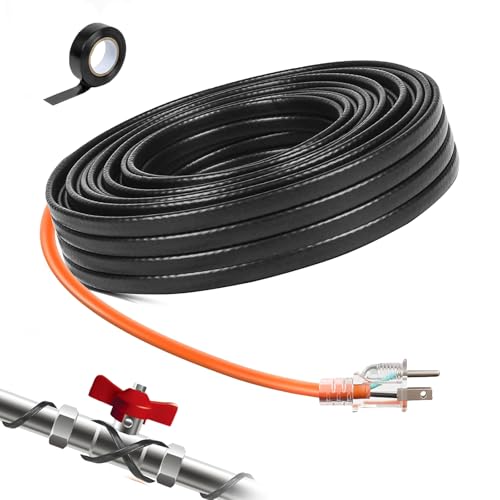
LantingMing 30FT Roof and Gutter Heat Tape

REHOSEUP 30FT RV Heated Water Hose
What Each Pick Brings To The Table
A 50-foot heated hose makes sense when your RV connection sits well beyond a standard freshwater hose. The self-regulating system responds to surrounding cold, and the manufacturer lists freeze protection for temperatures down to -45°F, making this a practical cold-weather option for campers.
The included fittings and double washers at both ends reduce the number of connection points you need to assemble. Unlike a short pipe cable, this hose provides a complete water line, although its 50-foot size will demand more storage room than the other heated-hose option.
Benefits That Matter
- The 50-foot run covers longer campsite and RV water connections.
- Self-regulating heating responds as ambient conditions change.
- Double washers support a more secure connection at each end.
- Fittings make it easier to create a complete hose setup.
- The protective outer jacket guards the hose in outdoor conditions.
Trade Offs
- The long coil takes considerably more space to store than a 6-foot cable.
- Confirm that your RV connection, fittings, and available electrical supply match the setup.
Key Details
Made For Long RV Connections
Full-time travelers and winter campers with a distant freshwater connection benefit most from the 50-foot reach.
A Better Fit Elsewhere
REHOSEUP 30FT RV Heated Water Hose suits campers who need more protection than a cable but prefer a shorter hose.
Winter dumping is unpleasant enough without a frozen sewer hose adding to the problem. This 15-foot electric sleeve surrounds an existing RV sewer hose with heating wire and thick insulating cotton, giving you a focused solution for the waste line.
Compared with the REHOSEUP 50FT Heated Water Hose, this sleeve protects a different system and does not create a fresh-water connection. The illuminated plug provides a visible operating indication, which is useful in dim campsites and storage areas.
Advantages To Know
- Heating wire and thick insulation protect the enclosed sewer hose.
- The 15-foot length suits common RV waste-hose runs.
- A lit plug shows when the sleeve is operating.
Practical Considerations
- The sewer hose is not included, so you need a compatible hose already.
- Measure the routed length and confirm electrical access before installation.
Quick Facts
Best For Winter RV Waste Lines
RV owners who already own a 15-foot sewer hose and want targeted cold protection will find this purpose-built sleeve useful.
Consider Something Else When
REHOSEUP 50FT Heated Water Hose is the better fit for protecting a long fresh-water connection instead of a waste line.
A six-foot cable is a sensible starting point for a short outdoor plumbing section near a hose bib, RV hookup, cabin, or shed. Self-regulating means the cable responds to changing ambient temperatures, while the built-in control helps moderate heat output during extended use.
Unlike the REHOSEUP 15FT Heated Sewer Hose Sleeve, this tape installs directly around compatible pipe. It can run straight, spiral, or overlap, giving you flexibility around elbows and unusual layouts.
Noteworthy Benefits
- The compact length simplifies short pipe runs and compact storage.
- At 5 watts per foot, it supplies a defined heating rate along the cable.
- The TPE jacket is designed for sunlight, moisture, and outdoor exposure.
- Flexible installation suits PVC, PEX, and metal pipes.
Points To Note
- Six feet may not cover the pipe section you have in mind.
- Confirm pipe compatibility and the intended straight, spiral, or overlapping route.
At A Glance
The Right Fit
DIY users protecting a short run of compatible exposed pipe will find this cable easy to route and store.
Reach For A Different Pick When
REHOSEUP 30FT Self-Regulating Pipe Heat Tape suits longer exterior plumbing routes than this six-foot run can cover.
Thirty feet changes the scope of a pipe-warming project. This cable can cover a longer exterior run around an RV, cabin, farm building, or barn, while the 5-watt-per-foot output provides an even basis for comparing installation needs across the lineup.
Compared with REHOSEUP 6FT Self-Regulating Pipe Heat Tape, the construction and electrical rating remain consistent, but the greater reach means less need to join separate short sections. For most properties, planning the full route before installation is the important part.
Reasons It Performs
- The 30-foot length reduces the number of sections needed on a long pipe run.
- Self-regulating control responds to surrounding temperatures.
- The UV-resistant TPE jacket suits seasonal outdoor installations.
- Straight, spiral, and overlap layouts accommodate different pipe shapes.
- A listed operating range reaches down to -40°F.
Trade-Offs To Consider
- The longer cable is less convenient to carry and store than a six-foot run.
- Confirm your pipe material, route, and electrical connection before purchasing.
Feature Snapshot
Built With Long Runs In Mind
Property owners with extended exposed plumbing runs gain more from the 30-foot reach than from several isolated cable sections.
Swap It Out When
TOPDURE 6FT Self-Regulating Pipe Heating Cable is easier to manage when your route only covers a few feet.
Small projects reward a cable that is easy to carry, route, and put away. This six-foot pipe heating cable gives you a compact format for covering a limited section of exposed plumbing without managing a larger coil.
Self-regulating describes a cable that responds to changing temperature rather than maintaining one fixed output. Compared with REHOSEUP 30FT Self-Regulating Pipe Heat Tape, the shared operating principle is simple, but this shorter model is better suited to a small, self-contained run.
The Practical Payoff
- The six-foot cable is easy to handle during a small installation.
- Compact storage suits renters, cabins, and seasonal setups.
- Self-regulating operation responds to ambient temperature changes.
Things To Weigh
- Measure the pipe section first, since six feet leaves little margin for a longer route.
Who Will Love This
DIY users handling a brief pipe run will appreciate the simpler size and lighter storage footprint.
Where Another Pick Shines
REHOSEUP 30FT Self-Regulating Pipe Heat Tape is the better choice for a continuous exterior line.
Roof and gutter protection calls for a different installation than wrapping a water pipe. This 30-foot cable is listed for roof and gutter snow de-icing, with a 120V heating rate of 5 watts per foot and a self-regulating temperature response.
Compared with REHOSEUP 30FT Self-Regulating Pipe Heat Tape, both offer the same length and heating rate, but the LantingMing model is specifically presented for roof runoff paths. You still need to plan the route carefully around the roof edge, gutter, and drainage direction.
Where It Excels
- Thirty feet can cover a meaningful roof-edge or gutter section.
- Five watts per foot supplies a clear operating basis for a snow-melting route.
- The temperature-responsive design adjusts as conditions change.
- An IP67-rated plug wire adds a practical outdoor connection detail.
Details To Watch
- The listed maximum temperature is 167°F, so roof and gutter material compatibility deserves attention.
- Plan the cable path and 120V connection before beginning a roof installation.
Technical Highlights
Made For Roof Runoff Paths
Homeowners in snowy areas with an accessible roof edge or gutter route are the strongest fit.
Not Your Match When
REHOSEUP 30FT Self-Regulating Pipe Heat Tape fits exposed plumbing more directly than this roof-focused cable.
Thirty feet offers a practical middle ground between a six-foot pipe cable and the 50-foot REHOSEUP hose. The self-regulating external thermostat responds to ambient conditions, while the listed -45°F rating supports use in RV, camping, garden, and chicken-coop environments.
For daily campers, the hose is easier to think about than assembling a pipe-warming route around several fittings. The honest trade-off is storage: a 30-foot heated hose still needs a dry, organized place during travel and off-season storage.
Where It Delivers
- The 30-foot length offers a useful balance of reach and portability.
- An external thermostat responds to surrounding temperature.
- The hose supports RV, camping, garden, and coop applications.
- A listed -45°F operating rating suits severe cold.
Small Caveats
- Allow room to coil and store the hose without sharp bends.
- Confirm connection size and electrical access before replacing an existing hose.
Built With In Mind
Regular campers and property owners wanting one hose for several cold-weather tasks will get the most flexible use from this model.
Another Choice May Suit
REHOSEUP 50FT Heated Water Hose suits sites where the water connection is considerably farther away.
Match The Heating Method To The Location
Measure The Route First
Length matters more than the product label in many installations. Measure a pipe, hose, roof edge, or gutter path before ordering, then add enough extra length for bends, fittings, and service loops. A short cable suits a focused plumbing repair, while a 30-foot run covers a broader exterior route.
Check Power And Temperature Together
Most options use 120V power and self-regulating heat, meaning the cable responds to surrounding temperature. Compare the listed low-temperature rating with the conditions at your property, and make sure a suitable grounded electrical connection is available. The cable cannot solve a remote power-location problem by itself.
Separate Roof Use From Pipe Protection
Roof and gutter installations need a route that follows meltwater toward the drain. Pipe heat tape wraps around compatible PVC, PEX, or metal lines, while an electrically heated hose creates a complete water connection. Choosing the form that matches the application keeps the installation straightforward.
Two Mistakes Worth Avoiding
Wrong Turns To Avoid
Do not judge only by the advertised cold rating or cable length. Installation conditions, pipe material, electrical access, and the path of melting water determine whether the product fits. Measure first, then compare the installation requirements with the space you actually have.
What The Higher Tier Buys
A higher-priced option may provide more cable length, a broader temperature range, additional fittings, or a hose rather than a simple cable. Those upgrades matter when a short run will not cover the route, but they add little to an installation that needs only a few feet around one pipe.
Frequently Asked Questions
Is Heat Tape For Roofs The Same As Pipe Heat Tape?
Heat tape for roofs is shaped around roof runoff and gutter routes, while pipe heat tape wraps around water lines. Both use controlled electrical heating, but the installation path and intended surface differ.
What Length Do I Need?
Measure the full route, including bends and fittings, before choosing a length. Six feet suits a short pipe section, while 30-foot options cover longer plumbing, roof-edge, or gutter paths.
Can Self-Regulating Heat Tape Be Left Outside?
These products are designed for outdoor plumbing and seasonal exterior use, depending on their listed construction. Keep connectors dry where required, follow the installation guidance, and confirm the jacket and temperature rating suit your location.
Does Heat Tape Work On Every Roof Material?
Roof compatibility depends on the surface, routing, and the cable’s temperature limits. Check the roof and gutter materials against the stated specifications and avoid concentrating heat where it could cause damage.
Should I Choose A Heated Hose Or Heat Cable?
Choose a heated hose for a complete RV or garden water connection. Choose heat tape for wrapping compatible pipe or tracing a roof and gutter route.
Final Verdict
Start with the location rather than the length alone. A six-foot cable handles a small pipe run, the 30-foot options cover broader routes, and the heated hoses suit complete RV water connections, with LantingMing standing apart for roof and gutter de-icing. Match the product to the path, power access, and materials before you buy.