
A cutting board can look dry long before it needs replacement, while a finished table may lose its richness after years of indoor use. Food safe wood finishes serve different kitchen and furniture tasks, so your choice depends on the surface, desired sheen, and maintenance routine. You’ll find the strongest match for cutting boards, butcher blocks, utensils, and finished wood furniture among these seven options.
A Side-By-Side Look

Wood Furniture Wax Kit for Finished Surfaces

Millie’s Tung Oil Cutting Board Oil with Beeswax, 32 oz

The Block & Board Company Specialist Chopping Board Complete Kit, Soap, Wax & Oil

The Block & Board Company Food Grade Mineral Cutting Board Oil, 8.5 oz
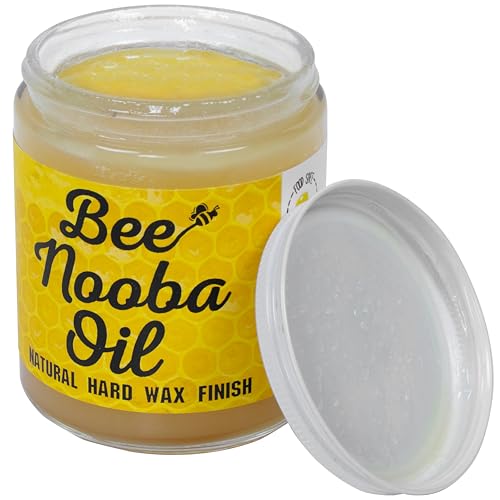
Bee’Nooba Wood Wax Oil, 8 oz

GENLEXON Premium Original Linseed Oil and Beeswax Wood Finish Blend, 4.3 oz

The Block & Board Company Specialist Cutting Board Wax, 8.5 oz
More On The Choices That Made The List
A dining table often shows its age through a dry, muted finish before the wood itself appears damaged. This kit gives you a portable tin of conditioning wax and a dedicated soft-bristle brush, making it a practical match for tables, sideboards, dressers, chairs, and vintage indoor furniture.
Unlike the oil-focused kitchen finishes in this roundup, its intended role is surface care rather than food-contact protection. You’ll appreciate the straightforward routine for a weekend furniture refresh, though a separate finish remains necessary for cutting boards and other food-preparation surfaces.
A Few Highlights
- The soft-bristle brush spreads wax evenly without adding disposable applicators to your cleaning supplies.
- A thin coat, short dwell time, and buffing with a clean cloth make the process manageable during a weekend.
- The metal tin keeps the wax portable, which helps with dining rooms, entryways, and antique storage areas.
- You can use it across common sealed and finished indoor wood surfaces rather than limiting it to one furniture type.
Points To Note
- This is not intended for raw, unfinished wood, so check the surface before beginning a project.
- Its furniture-care focus makes it less appropriate for cutting boards, bowls, or utensils that contact food.
At A Glance
Made For
You gain the most from this kit when you maintain several sealed or finished indoor furniture pieces and want a simple buffing routine without power tools.
Consider Something Else When
Millie’s Tung Oil Cutting Board Oil with Beeswax is the better fit when your surface directly contacts food and you prefer a low-sheen oil finish.
A large butcher block needs enough product for generous, even coverage, and the 32-ounce tin fits that scale better than a small treatment bottle. This tung oil and beeswax formula is intended for cutting boards, utensils, bowls, and other food-preparation surfaces that benefit from a natural-looking, low-sheen result.
Compared with the plain mineral oil in pick 4, this formula adds beeswax to support a matte appearance after the wood is saturated. You’ll need to allow the listed 72-hour food-safe timing after application, so a weekend maintenance window is the more practical choice.
Practical Advantages
- The 32-ounce size suits large butcher blocks and repeated maintenance without a tiny container.
- Polymerized tung oil combines with pure beeswax to nourish wood and create a low-sheen surface.
- The manufacturer lists the finish as food-safe after 72 hours, giving you a clear care window.
- The true matte character suits kitchens where a glossy or plastic-looking coating would feel out of place.
Worth Noting
- You must plan around the 72-hour timing before treating the surface for food contact.
Key Specs
Right Fit For
You’ll appreciate this option most for a large butcher block or multipiece food-preparation setup where low sheen and a generous container matter.
Another Choice May Suit
The Block & Board Company Specialist Cutting Board Oil is easier to fit into a simple monthly routine when you prefer plain mineral oil and a quick-drying formula.
Wood board maintenance rarely ends with oil alone, because cleaning and sealing are separate tasks. This three-piece set brings together cutting board soap, oil, and wax, giving you a more organized routine for boards, butcher blocks, countertops, and utensils.
Compared with the single-purpose products in picks 2, 4, 5, and 7, the kit adds soap for residue and odor removal before conditioning. You may find it especially useful for a kitchen with several wooden tools, although the combined format takes more cabinet space than one bottle or tin.
What Helps Most
- Soap, oil, and wax cover cleaning, nourishing, and sealing in one coordinated set.
- The cutting board soap helps lift food residue and odors before you condition the wood.
- You can apply the same system to boards, butcher blocks, countertops, and wooden utensils.
Minor Gripes
- Three separate products take more storage space than a single oil or wax container.
- The set is less convenient for someone who only wants to nourish one small board.
- You’ll need to follow each product’s own application instructions rather than treating all three as one combined formula.
Who Will Love This
You’ll love the organized approach if you maintain several wooden kitchen items and want cleaning and finishing supplies kept together.
Look Elsewhere When
Bee’Nooba Wood Wax Oil is a more focused solution for someone who wants one combined wax-oil treatment and already has a suitable board cleaner.
For routine board care, clarity and repetition often matter more than an elaborate finish. This food-grade mineral oil provides a straightforward monthly routine: spread an even coat, let it soak overnight, then wipe away the excess. The same product also works on stone and butcher blocks.
Unlike the tung oil and beeswax blend in pick 2, this formula stays colorless, tasteless, and odorless, which may suit a kitchen sensitive to strong smells. You’ll need enough overnight planning before bringing a treated board back into food preparation.
The Good Stuff
- The colorless, tasteless, and odorless formula leaves the wood’s natural appearance unobtrusive.
- A thin, even coat can soak in overnight and excess oil can be wiped away the next day.
- The monthly schedule creates an easy maintenance habit for regularly used boards.
- You can also use it on stone surfaces and butcher blocks that fit the product’s listed uses.
- The 8.5-ounce bottle is compact enough for a standard kitchen cabinet.
Soft Spots
- The overnight soaking step requires advance planning around food preparation.
- Mineral oil conditions wood but does not provide the beeswax component found in pick 2.
Quick Facts
The Right Fit
This oil fits beginners and regular home cooks who own several boards and value a simple monthly routine over a wax finish.
Where A Sibling Pick Shines
Millie’s Tung Oil Cutting Board Oil with Beeswax suits you better when low sheen and added wax protection matter more than an odorless oil-only routine.
A hybrid finish can simplify a decision between an oil and a harder wax, giving you one product that conditions and protects. Bee’Nooba combines beeswax, carnauba, and polymerized tung oil in an 8-ounce container made for cutting boards, utensils, butcher blocks, and other kitchen surfaces.
You apply it like an oil and finish by buffing, so the routine sits between the plain mineral oil in pick 4 and the more involved tung oil treatment in pick 2. You may find the richer wax-oil character especially helpful on frequently handled serving boards and utensils.
Real-World Strengths
- The wax-oil blend handles conditioning and surface protection in one application.
- You can wipe the product on and buff it off without assembling a separate oil-and-wax system.
- The formula contains no solvents, silicones, or petroleum fillers.
- Its listed food-safe suitability covers boards, utensils, butcher blocks, and kitchen surfaces.
Small Caveats
- You must confirm that the existing surface can accept a wax-oil treatment before application.
Feature Breakdown
Built With In Mind
This formula suits home cooks who want a single wax-oil treatment for mixed kitchen tools without a separate oil and wax application.
Reach For A Different Pick When
The Block & Board Company Food Grade Mineral Cutting Board Oil suits you better when odorlessness and an uncomplicated monthly oil treatment are your main priorities.
Wood projects often call for more visual warmth than a utilitarian kitchen-board treatment. This GENLEXON blend pairs linseed oil with beeswax to create a soft luster and a water-resistant barrier against spills and everyday wear, giving small furniture pieces and decorative woodwork a more traditional finish.
Compared with Bee’Nooba Wood Wax Oil, the formula centers on linseed oil rather than tung oil and carnauba wax. The manufacturer also describes faster polymerization, which is the chemical process that turns the oil into a hardened finish, so you’ll want to allow proper curing time before using a completed piece.
Advantages To Know
- The linseed oil and beeswax combination produces a warm, soft luster suited to decorative woodwork.
- Its water-resistant barrier adds useful protection against minor spills and daily wear.
Trade Offs
- The 4.3-ounce size is better suited to targeted projects than a room full of furniture.
- Polymerization requires you to plan curing time before handling the finished surface.
- Its warm luster may not suit the deliberately matte appearance preferred in pick 2.
Whose Shelf It Belongs On
You’ll appreciate this finish for small furniture pieces, decorative objects, and weekend wood projects where a warm luster is part of the intended appearance.
Swap It Out When
The Block & Board Company Specialist Cutting Board Wax is the better choice for a kitchen surface that needs a food-grade wax finish and water or stain resistance.
A wax finish becomes useful when you want a thin surface barrier rather than a heavily saturated oil appearance. This 8.5-ounce option is formulated for cutting boards, butcher blocks, countertops, and utensils, with water and stain resistance as its central strengths.
Unlike the combined care kit in pick 3, this container focuses only on wax, so it slots neatly into a routine that already includes cleaning and oiling. You’ll find it particularly relevant to a busy kitchen where a wooden block needs extra protection from splashes and food coloring.
The Helpful Details
- The wax creates a water- and stain-resistant surface for busy kitchen use.
- The manufacturer lists food-grade ingredients suitable for boards, blocks, counters, and utensils.
- Deep absorption helps the wood retain its appearance while the wax adds surface protection.
Details To Watch
- You’ll need separate cleaning and oiling supplies for a full maintenance routine.
- The wax container is focused on kitchen surfaces rather than broad indoor furniture care.
Core Details
Who Should Grab It
You’ll want this wax when a wooden block or countertop needs a dedicated layer of water and stain resistance within an established care routine.
Not Your Match When
Millie’s Tung Oil Cutting Board Oil with Beeswax suits you better when you want a matte oil-and-wax finish in a larger 32-ounce container.
Match The Finish To Your Wood Care Routine
Start With The Surface
A cutting board, butcher block, utensil, countertop, and dining table each face different conditions. Food-contact surfaces need a formula listed for that use, while finished furniture requires compatibility with its existing coating. The Wood Furniture Wax Kit serves indoor furniture, so you shouldn’t treat it as a food-preparation finish.
Decide Between Oil And Wax
Mineral oil offers a simple, colorless routine. Tung oil and beeswax create a richer low-sheen finish, while a dedicated wax adds a surface barrier. Your choice should reflect whether appearance, maintenance speed, or spill resistance matters most.
Plan For Application Time
Some finishes absorb overnight, while others need a longer food-safe window after application. You’ll have better results by reading the complete care instructions and setting aside enough time before the surface returns to regular use.
Match The Container To Your Space
A large butcher block may justify a 32-ounce tin, while one small board can be maintained with an 8-ounce bottle. Choosing the smaller option also keeps your cleaning cabinet less crowded.
What To Check Before Treating Wood
Mistakes Worth Dodging
Applying a finish to raw wood or an incompatible existing coating can leave you with a result that does not meet your expectations. Check the product’s listed surfaces and surface condition first, and avoid treating food-contact items with a furniture-only wax.
What Separates Premium From Basic
The difference often comes from formulation, container size, curing time, and the type of barrier created. A larger matte tung oil formula may suit a busy butcher block, while a smaller wax can be enough for occasional care.
Frequently Asked Questions
Is Food Safe Wood Finish Safe for Cutting Boards?
A food safe wood finish must be explicitly listed for cutting boards and other food-contact surfaces. The Wood Furniture Wax Kit in this roundup is intended for indoor furniture rather than food preparation.
What Is the Best Finish for a Butcher Block?
Your best fit depends on surface size and maintenance preferences. Millie’s Tung Oil Cutting Board Oil offers a matte finish in a 32-ounce container, while mineral oil provides a simpler monthly routine.
Is Tung Oil Better Than Mineral Oil for Wood?
Tung oil with beeswax provides more sheen control and surface sealing than plain mineral oil. Mineral oil remains a straightforward choice when you prioritize an odorless, colorless appearance and easy upkeep.
How Often Should You Oil a Cutting Board?
The Block & Board Company mineral oil recommends a monthly application. Other formulas have different curing and food-contact timing, so follow the instructions included with the product you choose.
Can You Use Wax on Kitchen Utensils?
Wax listed for utensils can create a useful water and stain barrier. You’ll still need an appropriate cleaning routine and should confirm that the wax is intended for food-contact use.
Wrap Up
The right food safe wood finish depends on the surface and the routine you’ll actually maintain. Mineral oil suits simple, odorless care; tung oil and beeswax blends favor a matte appearance; dedicated wax adds a water and stain barrier; and furniture wax belongs only on suitable indoor furniture. Match the formula to the wood, honor the application time, and the finish becomes much easier to keep in good condition.