
A cutting board can look rough after months of chopping, soaking, and washing. The right finish helps restore the wood, protect the surface, and simplify care, whether you maintain a single board or a large butcher block.
Start by matching the product to the board material and your routine. Mineral oil handles routine conditioning, tung oil creates a matte protective finish, and wax adds a stain-resistant layer. Some combinations include everything needed for a complete care routine.
A Fast Comparison Of The Options

The Block & Board Company Specialist Chopping Board Care Kit, 3-Piece

The Block & Board Company Food Grade Cutting Board Oil for Wood and Stone, 8.5 oz
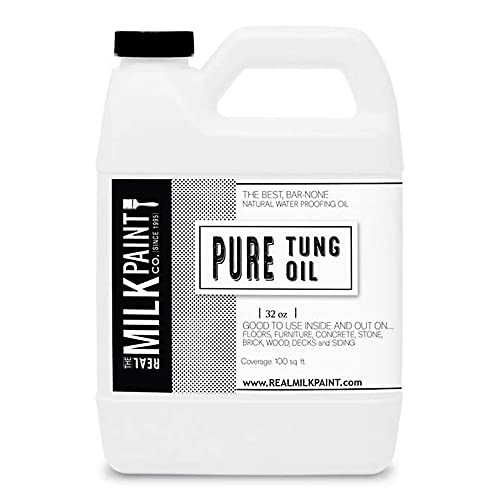
Real Milk Paint Pure Tung Oil for Wood Finishing, 32 oz

US+ Food Grade USP Mineral Oil for Cutting Boards, 32 Oz

Kate Naturals Food Grade Cutting Board Oil, 8 oz

Caron & Doucet Vegan Coconut-Derived Cutting Board Oil, 8 oz

The Block & Board Company Specialist Cutting Board Wax, 8.5 oz
What Each Pick Brings To The Table
Three products in one set give a busy kitchen a sensible starting point: soap for washing, oil for conditioning, and wax for the protective finishing step. That arrangement suits anyone maintaining a wooden board, butcher block, countertop, or wooden utensils.
Compared with The Block & Board Company Specialist Cutting Board Oil alone, this kit removes the need to search for separate care products. The honest trade-off is extra steps, since the three-part routine takes more handling than a simple oil application.
What Makes Sense
- Soap, oil, and wax cover distinct parts of a complete maintenance routine.
- The soap targets residue and odors on food-preparation surfaces.
- One set can serve boards, butcher blocks, countertops, and wooden utensils.
Things To Consider
- Three separate products make this less convenient than a single oil for quick maintenance.
- Owners with several specialized wood surfaces may prefer buying each product separately.
Key Specs
Made For
This kit fits households that want a coordinated care routine for multiple wooden kitchen items.
A Better Fit Elsewhere
Kate Naturals Food Grade Cutting Board Oil, 8 oz suits cooks who want a simpler single-product monthly routine.
Mineral oil is a refined, food-grade oil used to condition wood, and this option adds compatibility with stone and butcher-block surfaces. The straightforward application suits cooks who want to care for a board once a month rather than follow a multi-product routine.
Compared with the complete kit, this bottle handles the conditioning stage on its own. It may be less suitable for someone who wants a separate soap and wax, but its 8.5-ounce size is easier to incorporate into regular kitchen upkeep.
The Helpful Details
- Food-grade mineral oil suits direct food-preparation surfaces.
- Quick-drying, tasteless, odorless, and colorless properties favor a discreet application.
- Wood and stone compatibility broadens the range of surfaces in one bottle.
- The simple routine is practical for a heavily used kitchen board.
Worth Noting
- It focuses on oil care rather than supplying separate cleaning and waxing products.
- The recommended overnight soaking adds waiting time to the maintenance process.
Right Fit For
This oil suits home cooks who want an uncomplicated monthly treatment for wood or stone food-preparation surfaces.
Another Choice May Suit
Real Milk Paint Pure Tung Oil for Wood Finishing, 32 oz fits larger projects where a matte, water-resistant finish is the priority.
Pure tung oil brings a distinct finish to the shortlist: a matte, water-resistant coating rather than the nearly invisible look associated with mineral oil. That makes it relevant for cutting boards, butcher blocks, counters, furniture, decks, flooring, and other wooden surfaces.
The 32-ounce container sets it apart from the smaller routine-care bottles. For one kitchen board, that quantity may be more than needed, while a household with several wooden surfaces gets a more practical supply.
Well-Handled Touches
- Creates a matte protective finish on wood.
- Food-grade status fits cutting boards and butcher blocks.
- The water-resistant finish suits surfaces exposed to moisture.
- One product supports many wooden household projects.
Trade Offs
- The matte appearance may not suit someone seeking a glossy result.
- The 32-ounce size can feel excessive for a single small board.
Technical Highlights
Built With In Mind
This tung oil fits homeowners and woodworkers handling several food-contact or furniture surfaces.
Where A Sibling Pick Shines
The Block & Board Company Food Grade Cutting Board Oil for Wood and Stone, 8.5 oz is easier for a single-board monthly routine.
USP grade refers to a recognized purity standard, and this pure mineral oil uses that standard for food-contact wood care. Its clear, scentless, and flavorless profile works well for people who do not want the finish to change the character of their food-preparation space.
Where the 8-ounce Kate Naturals bottle favors a compact shelf, this 32-ounce container suits commercial kitchens, workshops, or households maintaining many boards. You trade compact storage for a larger supply and an easier refill cycle.
Practical Advantages
- Pure USP-grade mineral oil provides a defined purity standard.
- The colorless, odorless, and tasteless profile remains unobtrusive.
- No added fragrances, dyes, or preservatives keep the formula straightforward.
- The 32-ounce size suits high-volume food-contact maintenance.
Small Caveats
- The larger container takes more storage space than an 8-ounce bottle.
- It provides oil care only, without a separate cleaner or finishing wax.
Quick Facts
Whose Shelf It Belongs On
This container belongs in a busy kitchen, workshop, or food-preparation area that treats several wood surfaces regularly.
Consider Something Else
Caron & Doucet Vegan Coconut-Derived Cutting Board Oil, 8 oz fits plant-based care routines that exclude mineral oil.
Kate Naturals takes a straightforward route with an odorless, food-grade oil made for small kitchen spaces. The 8-ounce bottle is easy to store beside the sink or tuck into a utility drawer, which makes it more approachable than a large container.
Its compatibility with bamboo, teak, acacia, olive wood, and hardwood boards gives it a broader fit than a product aimed at one material. For someone with only one board, that versatility may feel unnecessary, but mixed-wood kitchens get more value from it.
Everyday Wins
- The compact bottle suits a single-board kitchen.
- Food-grade mineral oil supports food-contact surfaces.
- Compatibility extends across bamboo, teak, acacia, olive wood, and hardwood.
- A clean absorption profile avoids a greasy surface after application.
Points To Note
- An 8-ounce bottle may need more frequent replenishment than a 32-ounce option.
- Its broad material list offers little advantage when you maintain only one wood type.
Feature Facts
Best Suited To
This bottle suits apartment kitchens, first-time wood-care users, and anyone maintaining a small collection of boards.
Look Elsewhere
US+ Food Grade USP Mineral Oil for Cutting Boards, 32 Oz serves high-volume kitchens that prefer a larger container.
Coconut-derived oil gives this option a plant-based point of difference from the mineral oils in the middle of the list. It is formulated for conditioning and sealing wooden or bamboo cutting boards and butcher blocks, so it fits a specific preference rather than trying to satisfy every routine.
The formula is vegan and contains no mineral oil, which matters to people who avoid petroleum-derived products. Compared with Kate Naturals Food Grade Cutting Board Oil, 8 oz, the container size is similar, but the ingredient direction is entirely different.
Notable Upsides
- Uses a coconut-derived oil base instead of mineral oil.
- The formula is vegan for plant-based maintenance routines.
- Intended for both wooden and bamboo food-preparation surfaces.
- Conditions and seals boards in one focused product.
Honest Caveats
- It does not suit a routine that specifically calls for mineral oil.
- The 8-ounce size is compact but may require regular refills for multiple boards.
Who Will Love This
This oil suits cooks who prioritize a vegan, coconut-derived formula for wooden or bamboo boards.
Reach For A Different Pick
US+ Food Grade USP Mineral Oil for Cutting Boards, 32 Oz fits high-volume kitchens seeking a pure mineral-oil alternative.
Wax is a thin protective coating, and this option creates a liquid- and stain-resistant surface on wood. It suits a heavily used kitchen board where splashes and cooking marks are routine concerns, particularly after the wood has received its oil conditioning.
Unlike Real Milk Paint Pure Tung Oil for Wood Finishing, 32 oz, this wax focuses on a resistant surface layer rather than a broad wood-finishing project. It also works with butcher blocks, countertops, and utensils, giving it more reach than a board-only treatment.
Where It Helps
- Adds water and stain resistance to wooden surfaces.
- Supports food-contact use on boards, blocks, counters, and utensils.
- Made with food-grade ingredients for kitchen maintenance.
- Absorbs into wood while preserving the surface.
Less Ideal Details
- Wax serves as a finishing step rather than a complete cleaning and conditioning routine.
- You may need a separate oil for routine wood conditioning.
Feature Breakdown
The Right Fit
This wax fits cooks seeking a moisture- and stain-resistant finishing step for heavily used kitchen wood.
Swap It Out When
Kate Naturals Food Grade Cutting Board Oil, 8 oz serves cooks who only want simple conditioning without a wax layer.
What To Look For In A Cutting Board Finish
Match The Product To The Material
Mineral oil is a practical choice for routine conditioning of wooden food-contact surfaces. Tung oil adds a matte, water-resistant finish for larger wood projects, while coconut-derived oil serves shoppers seeking a vegan formula that contains no mineral oil.
Decide Between Oil And Wax
Oil conditions wood and supports the maintenance of dry or worn surfaces. Wax adds a protective layer designed to resist water and stains, so a heavily used board may benefit from oil followed by wax.
Consider The Size Of Your Routine
A small bottle takes less shelf space and suits a single board or compact kitchen. Larger containers make more sense for several boards, butcher blocks, commercial food preparation, or broader furniture projects.
Wood Care Details That Shape Your Choice
Common Shopping Slip Ups
The main mistake is choosing by scent or finish alone without checking the surface material. Another common misstep is buying a heavy-duty project finish for a small board, which creates unnecessary storage and application demands. Match the product to the wood, the number of surfaces, and the care schedule you will realistically follow.
What The Higher Tier Buys
Larger containers and complete kits usually buy capacity, additional care steps, or broader surface compatibility. A higher-tier option earns its place when you maintain many boards or need a dedicated water-resistant wax. For one small board, a compact bottle may offer the more practical fit.
Frequently Asked Questions
What is the best finish for a cutting board?
Food-grade mineral oil is a practical choice for routine wood conditioning because it applies evenly and leaves a clear, odorless result. Wax is useful when you also want a water- and stain-resistant surface layer.
Can mineral oil be used on bamboo cutting boards?
Mineral oil suits bamboo because it helps condition the surface while leaving a clear, tasteless, and odorless finish. Apply a thin, even coating and remove any excess according to the product instructions.
Is tung oil suitable for cutting boards?
Pure tung oil is food grade and can be used on cutting boards, butcher blocks, and other food-contact wood. Its matte, water-resistant finish also makes it useful for furniture, decks, flooring, and other wooden surfaces.
How often should a cutting board be oiled?
The Block & Board Company oil recommends an even application followed by an overnight soak, with excess wiped away. Its care guidance suggests repeating the process monthly, while the appropriate schedule for your board also depends on use and condition.
Is coconut-derived board oil different from mineral oil?
Yes. Caron & Doucet uses a coconut-derived oil base and contains no mineral oil, while several other options in this roundup rely on mineral oil or tung oil.
Final Verdict
Your best fit depends on the routine rather than a single universal formula. Mineral oil covers everyday conditioning, tung oil handles broader finishing work, wax adds moisture resistance, and a multi-product kit simplifies the full care sequence. Match the product to your materials and maintenance habits, then keep the routine manageable enough to repeat.