
A summer comforter can make a warm bedroom feel unexpectedly stuffy, especially for people who radiate heat or sleep beneath thick bedding. I built this 2026 guide around summer weight, cooling materials, reversible designs, breathable fills, and practical sizing, with a few bedding-layer options for creating a cooler sleep setup.
Your Options, Compared

Novilla Cooling Comforter
Bedsure Oeko-TEX Duvet Insert

Mellow Cloud Cooling Comforter

Cozy Bliss Reversible Cooling Comforter Queen Dark Grey

Deconovo Cooling Blanket King
Bedsure Queen Mattress Pad

Bedsure Queen Pillow Set

Sleeprove Queen Down Comforter
Inside Each Recommended Option
The Novilla Cooling Comforter takes a direct approach to summer heat with nylon-spandex fabric, a stated Q-Max value above 0.46, and a breathable three-dimensional construction. Q-Max is a fabric heat-transfer measurement, so the rating concerns the material rather than the temperature of the entire room. For warm sleepers, that distinction still matters because the comforter sits directly against the body.
At 90 by 90 inches, this grey model is sized for a standard queen bed. Its lightweight profile seems suited to replacing a thick winter comforter without sacrificing the loose, enveloping feel of traditional bedding. Nothing flashy, just a focused design for people who regularly pull the covers up higher than they planned.
Where It Helps
- Nylon-spandex fabric feels smooth against the skin and emphasizes cooling contact.
- Breathable three-dimensional construction supports airflow through the comforter.
- Lightweight filling suits hot rooms and summer nights with mild air conditioning.
Practical Considerations
- Cooling fabric cannot lower the room temperature, so ventilation still plays a major role.
- The 90-inch width requires careful measurement against the mattress and desired overhang.
Key Specs
Built With In Mind
This comforter fits hot sleepers in warm rooms who want a full-size cover with cooling fabric rather than a thin blanket.
Another Choice May Suit
The Mellow Cloud Cooling Comforter suits sleepers who prefer two textures and a built-in duvet over a single continuous surface.
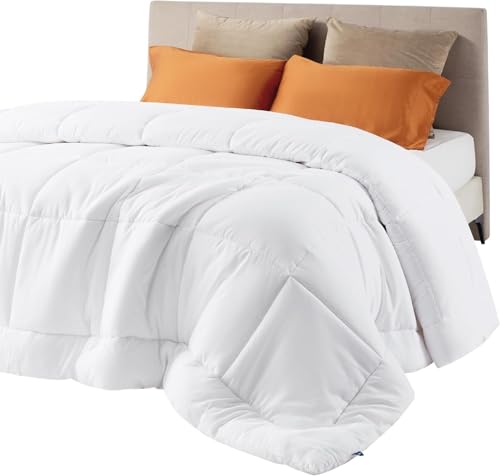
Compared with the Novilla Cooling Comforter’s cooling-focused fabric, the Bedsure Oeko-TEX Duvet Insert offers a more familiar all-season bedding format. Its GentleSoft polyester fill is designed to balance warmth in cooler weather with breathability during summer, while the quilted construction gives a bed a finished, layered appearance.
That versatility makes this a practical choice for a bedroom that changes temperature throughout the year. The insert format also works particularly well beneath a duvet cover, although using it alone suits people who want a softer top layer than a traditional comforter.
A Strong Showing
- Soft polyester fill offers a lighter alternative to dense seasonal comforters.
- The shell and fill suit both summer layering and cooler-night use.
- Quilted construction adds visual texture beneath a simple duvet cover.
- Multiple size options make matching different beds more manageable.
Worth Noting
- The cooling approach is less specialized than the active fabrics or temperature-regulating materials in the Novilla and Deconovo options.
The Right Fit
This insert suits people building a versatile bed with a duvet cover and moderate summer layering needs.
Where Another Pick Shines
The Sleeprove Queen Down Comforter serves sleepers who prefer a lighter natural fill and an airy baffled construction over polyester bedding.
The Mellow Cloud Cooling Comforter puts texture choice at the center of its design. One side uses Arctic Silk for a cooler initial contact, while the CloudKnit side emphasizes softness and breathability. Flipping the comforter changes the feel without requiring a separate cover, which makes it useful during temperature swings.
Unlike the single-surface Novilla model, this gray comforter adds a built-in duvet and a Naia fill with internal channels. The channels are intended to move heat and moisture away from the body, so the design looks especially sensible for humid nights and air-conditioned rooms where trapped warmth can become uncomfortable.
Notable Upsides
- Two distinct surfaces accommodate different preferences for cool contact and soft comfort.
- The built-in duvet simplifies layering and gives the bed a complete appearance.
Trade Offs
- The larger all-in-one design may take more room to fold and store than a simple duvet insert.
- Channel-filled construction can shift differently than a flat quilted comforter.
- Changing sides is convenient, though the Arctic Silk surface will feel less plush to sleepers who value softness above all else.
Feature Snapshot
Made For
This comforter fits sleepers who enjoy switching textures and want a ready-made bed during humid summer weather.
A Better Fit Elsewhere
The Novilla Cooling Comforter better fits sleepers who want one continuous cooling surface and a simpler traditional comforter shape.
The Cozy Bliss Reversible Cooling Comforter takes a softer-looking approach than the Mellow Cloud, with a 90 by 90 inch queen design, dark grey coloring, and two cooling faces. The manufacturer lists a Q-Max value above 0.45, indicating heat-transfer performance in the fabric, alongside a stated skin-temperature reduction range of 2 to 5 degrees Celsius.
That range is a product claim rather than a room-temperature effect, so I would consider it alongside ventilation and bedding weight. For sleepers who wake up damp, the breathable reverse side and light construction make this a focused summer option rather than a winter comforter.
Everyday Wins
- Two cooling surfaces allow the preferred side to change through the night.
- Lightweight construction avoids the dense feeling of a cold-weather comforter.
- The listed Q-Max value supports the cooling emphasis.
- A smooth, breathable finish suits direct skin contact.
- Dark grey gives the room a neutral, understated appearance.
Small Caveats
- Cooling claims describe the fabric rather than the bedroom environment.
- The fixed 90-inch queen dimensions may not suit oversized beds or narrower frames.
Who Will Love This
This comforter suits hot sleepers who value a soft reversible surface and want cooling comfort without a bulky fill.
Reach For A Different Pick When
The Deconovo Cooling Blanket King fits king beds and sleepers who prefer phase-change temperature regulation over a reversible fabric finish.
Where the Cozy Bliss relies on cool fabric contact, the Deconovo Cooling Blanket King uses phase-change material woven into the fabric. A phase-change material stores heat as it changes state and releases it later, allowing the blanket to respond when body temperature rises or falls. The approach is less noticeable than a dramatic temperature change, but it targets fluctuating heat rather than merely feeling cool at first touch.
The king size and lightweight blanket format make this a practical top layer for a large bed. It should appeal to sleepers who alternate between feeling chilled and overheated during the night, particularly in rooms where a full winter-weight comforter feels excessive.
Positive Points
- Phase-change material supports both heat absorption and later heat release.
- The lightweight profile works well as a summer top layer.
- King sizing provides full coverage for larger mattresses.
Worth Bearing In Mind
- Temperature response depends on the surrounding conditions, and the material does not cool the room itself.
Technical Notes
Built With In Mind
This blanket fits king-bed sleepers whose body temperature changes noticeably during the night.
Consider Something Else When
The Novilla Cooling Comforter better fits queen sleepers who prefer breathable three-dimensional construction and a conventional comforter shape.
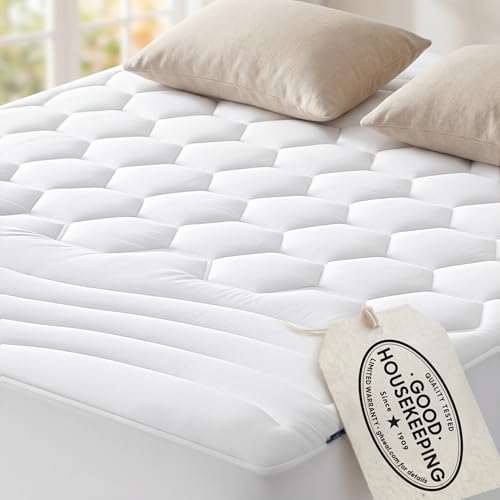
The Bedsure Queen Mattress Pad belongs in a layered bedding setup rather than the comforter category itself. Unlike the Deconovo Cooling Blanket King, it does not add a cooling surface above the body. Instead, it changes how the mattress feels and supports a summer comforter, which can make a firm bed feel less harsh in humid weather.
Its 60 by 80 inch dimensions fit a standard queen mattress, while the pocket depth accommodates mattresses from 8 to 21 inches. That range is a useful compatibility check for modern beds with deeper profiles. The three-zone layout combines softer wavy sections around the top and bottom with honeycomb quilting through the center.
Real Benefits
- The three-zone design adds cushioning and more even support beneath the comforter.
- Deep pockets make the pad compatible with a broad range of queen mattress thicknesses.
Practical Considerations
- The pad adds support and texture but does not provide active cooling in the way the comforter picks do.
- The 60 by 80 inch size must match a standard queen mattress rather than an oversized queen model.
- The extra layer changes the bed’s height slightly, which matters with fitted sheets or tightly fitted mattress protectors.
Quick Facts
Right Fit For
This mattress pad fits queen-bed sleepers who want a softer, more supportive foundation beneath lightweight summer bedding.
Not Your Match When
The Mellow Cloud Cooling Comforter better fits sleepers whose priority is the comforter itself, including its reversible surfaces and built-in duvet.
The Bedsure Queen Pillow Set completes a summer bed from the top down, which the Bedsure Queen Mattress Pad cannot do on its own. The pair has a deliberately plush, cloud-like feel designed for sleepers who enjoy a soft, airy cushion rather than a dense or springy profile.
Matching pillows also make coordinated bedding easier. A light summer comforter can still feel crowded by dense pillows, so this set gives sleepers a simpler way to create an airy bed without adding seasonal bulk around the head and shoulders.
Useful Highlights
- Plush filling creates a soft sleeping surface.
- The set includes two pillows for a standard queen arrangement.
- Airiness complements lightweight summer bedding.
- Matching pillows simplify the look of a coordinated bed.
Some Limits To Know
- Softness is the defining feature, so sleepers who prefer firm support may want a firmer pillow.
- The set addresses comfort rather than cooling and does not lower the bedroom temperature.
Who Should Grab It
This pillow set fits sleepers who enjoy a plush cushion and want two coordinated pillows for a queen bed.
Where A Sibling Pick Shines
The Sleeprove Queen Down Comforter better fits sleepers focused on the main cover, particularly those who prefer down fill and a lightweight baffled construction.
The Sleeprove Queen Down Comforter takes a different route from the synthetic and phase-change options. Its lightweight down fill and grid-stitched baffle-box construction balance airflow with a small amount of retained warmth, making it most convincing for spring, early summer, and air-conditioned rooms that become chilly at night.
The 450-thread-count down-proof fabric provides a finer, tightly woven shell around the fill. Compared with the Bedsure Oeko-TEX Duvet Insert, this model favors a feather-light natural fill and more structured baffles rather than a broad all-season polyester approach.
A Few Highlights
- Lightweight down gives the comforter a soft, airy profile.
- Grid-stitched baffles distribute the fill into defined sections.
- The 450-thread-count shell is designed to resist down leakage.
Small Limitations
- It offers light warmth rather than the active temperature response of the Deconovo, and down may not suit sleepers who avoid natural fills.
Feature Breakdown
Best Suited To
This comforter fits sleepers who want airy down comfort and live in rooms that need light warmth rather than heavy cooling.
Look Elsewhere When
The Novilla Cooling Comforter better fits sleepers whose main concern is a cool-touch fabric and maximum airflow in hot conditions.
How To Match a Summer Comforter to the Bed
Weight And Fill
I look for the lightest comforter that still provides comfortable coverage. Down offers soft, airy insulation, while polyester fills tend to feel more uniform and resilient. Lightweight synthetic construction, such as the Novilla model, is a more direct choice for consistently hot nights.
Fabric Cooling Signals
Cool-to-the-touch fabric, airflow channels, and phase-change material serve different purposes. Q-Max describes fabric heat-transfer performance, while phase-change material stores and releases heat as conditions shift. I consider room temperature, ventilation, and personal heat output before relying on either claim.
Size And Fit
A standard queen comforter commonly measures 90 by 90 inches, but bed sizes and desired overhang vary. I confirm the mattress dimensions, frame width, and storage space for a bulky all-in-one design. Deep-pocket mattress pads also need the mattress thickness measured before installation.
Layering Strategy
A complete summer setup may combine a supportive mattress pad, breathable pillows, and a lightweight comforter. Thin sheets reduce trapped heat near the skin, while a duvet cover can make a seasonal insert easier to coordinate. I avoid adding several heavy layers that defeat the purpose of summer bedding.
Cooling Claims, Minus the Guesswork
Common Shopping Slip Ups
I focus first on actual size and fill weight instead of assuming every comforter labeled for summer feels light. A product focused on cooling contact may still contain substantial fill, so I compare the shell, construction, and intended season together.
What Separates Premium From Basic
A higher-tier model may add reversible textures, finer shell fabric, specialized heat-transfer fibers, or phase-change material. The added feature is worthwhile only when it matches a specific sleep problem, so I prioritize useful construction over decorative extras.
Frequently Asked Questions for Summer Weight Comforter
What is a summer weight comforter?
A summer weight comforter is designed to provide less insulation than a cold-season comforter. Its suitability depends on the fill weight, fabric, construction, and room temperature.
Is a cooling comforter cold enough for air conditioning?
A cooling comforter can feel comfortable in an air-conditioned room, but it does not create cold. I consider the room climate, bedding layers, and personal comfort before choosing one for a consistently cool bedroom.
What size comforter fits a queen bed?
A standard queen comforter is often 90 by 90 inches, which leaves some overhang on a 60-inch-wide mattress. I check the exact dimensions and the desired coverage before making a selection.
Is a down comforter better than a polyester alternative for summer?
Down generally provides a lighter, airier feel, while polyester can feel more uniform and structured. The better choice depends on comfort preferences, room warmth, and the desire for natural or synthetic fill.
Can a mattress pad and pillows replace a summer comforter?
They can improve a bedding setup, but they do not provide the same top-layer coverage or cooling contact. I use them to support a lightweight comforter rather than expecting them to handle warmth by themselves.