
A pillow that looks comfortable can still leave a stiff neck after a long night. The right fit depends on sleeping position, loft, foam density, and how readily the fill can be adjusted, especially for people who share a bed or notice pressure around the shoulders and hips. I considered those practical differences while comparing eight options for back, side, stomach, and combination sleepers.
A Snapshot Of The Selections
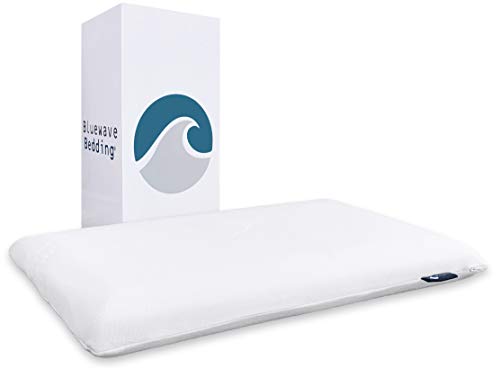
Bluewave Bedding Ultra Slim Gel Memory Foam Pillow 2.75-Inch Standard
TWK Original Adjustable Bed Pillow Queen White Spare Foam Fill

Coop Home Goods Original Adjustable Body Pillow 20×54 Memory Foam

Decroom Goose Feather Down Fiber Pillow 2 Pack

Coop Home Goods Eden Queen Memory Foam Pillow Medium-Soft Gel

Coop Home Goods Original Adjustable Queen Cross-Cut Memory Foam Pillow
basic home Hotel-Style King 20×36 Goose Feather and Down Pillow with Anti-Poke Liner
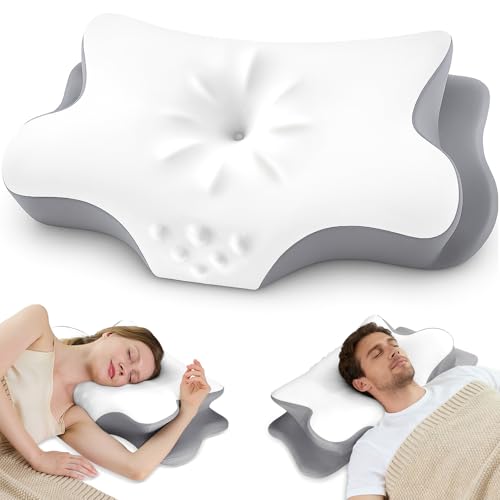
VJASD Ergonomic Contour Memory Foam Cervical Pillow with Cooling Cover, Side and Back
What Each Pick Brings To The Table
A pillow that keeps the head level without adding much bulk makes sense for stomach sleepers and back sleepers who dislike a high loft. The Bluewave Bedding pillow is 2.75 inches high, so it offers a noticeably flatter profile than many conventional memory foam pillows.
Unlike an adjustable model, the support level here comes from a single block of 3.25-pound memory foam. That gives this pick a substantial, cushiony feel, and the gel-infused construction adds ventilation for people who tend to find foam pillows warm.
Features That Help
- The 2.75-inch profile reduces the need to crane the neck upward.
- Dense memory foam provides more cushion than lightweight foam.
- Gel and ventilation channels help move warmth away from the head.
- The removable cover is machine washable for routine care.
- Bluewave offers several loft levels for different body positions.
Points To Note
- The low profile may feel too flat for a side sleeper who needs more height between the ear and shoulder.
- The dense foam may feel substantial rather than feather-soft.
Key Specs
Best Suited To
Stomach sleepers and back sleepers who want a low, structured pillow benefit most from this model.
A Better Fit Elsewhere
Back sleepers seeking a much softer pillow may prefer the Decroom Goose Feather Down Fiber Pillow 2 Pack.
The TWK Original Adjustable Bed Pillow takes a different approach from the Bluewave model’s fixed 2.75-inch profile. Its fill can be adjusted, which gives combination sleepers a way to fine-tune the amount of support instead of committing to one loft from the start.
Memory foam forms the interior, while a soft outer cover and removable construction make the pillow suitable for regular care. The exact feel may shift as the fill settles, so the spare foam is useful for making small corrections later.
Noteworthy Benefits
- Adjustable fill supports different levels of firmness.
- The design accommodates back, side, and stomach positions.
- Spare foam allows later adjustments without another purchase.
- A removable, washable cover simplifies surface care.
Small Caveats
- Adjusting the fill takes more effort than choosing a fixed pillow.
- The queen footprint may take up more space than a standard pillow.
Feature Snapshot
Made For In Mind
Combination sleepers and couples sharing a bed benefit from the ability to tailor each pillow separately.
Another Choice May Suit
A stomach sleeper who prefers a consistently thin profile may favor the Bluewave Bedding Ultra Slim Gel Memory Foam Pillow 2.75-Inch Standard.
This is not a conventional head pillow, but that distinction solves a different sleep problem. The 20-by-54-inch body pillow runs from the head toward the legs, creating a broad surface for hugging, leaning against, or placing between the knees.
Unlike the Bluewave head pillow, the Coop model can be made softer or firmer through its fill. Side sleepers may find that adjustability useful for settling the shoulders, hips, and knees, although the long shape can feel oversized on a smaller bed.
The Value In It
- The extended shape supports multiple body areas at once.
- Adjustable filling changes the pillow from soft to firm.
- Memory foam gives the pillow a substantial cushion.
- A washable cover supports regular cleaning.
Practical Considerations
- The 20-by-54-inch size requires meaningful bed space.
- It does not replace a dedicated head pillow for some sleep positions.
The Right Fit
Side sleepers, pregnant sleepers, and people who like a full-length cushion benefit most from this elongated design.
Where A Sibling Pick Shines
Someone focused on a low head pillow for stomach sleeping may prefer the Bluewave Bedding Ultra Slim Gel Memory Foam Pillow 2.75-Inch Standard.
The Decroom set takes a traditional approach with a down-and-feather fiber interior and a gusseted shape. That construction gives back sleepers a softer landing than the memory foam models in this roundup, while the gusseted edges add structure around the perimeter.
Two 20-by-36-inch pillows are included, making the set useful for a king bed or for a room where two matching pillows are needed. The soft fibers may settle over time, so keeping a firm pillow nearby can help maintain a balanced bed setup.
The Upside
- Feather and down fibers create a traditionally soft feel.
- The gusseted construction supports a rounded shape.
- A cotton-polyester shell offers a soft outer surface.
- Two matching pillows provide useful bed coverage.
Trade Offs
- Soft feather fill may compress more readily than dense foam.
- The 20-by-36-inch size is larger than a standard pillow.
- A two-piece set may occupy more bed space than a single pillow.
At A Glance
Whose Shelf It Belongs On
Back sleepers who prefer a lofty, feather-soft pillow and larger beds benefit most from this set.
A Better Fit Elsewhere
A side sleeper who wants adjustable support may prefer the TWK Original Adjustable Bed Pillow Queen White Spare Foam Fill.
The Coop Home Goods Eden pillow balances foam cushioning with a softer surface than many memory foam pillows. Unlike the Decroom set, it combines gel-infused memory foam with microfiber fill, creating a medium-soft feel that can work across several sleeping positions.
The gusseted edge helps the pillow retain a consistent shape, while the blended filling supports adjustment. A medium-soft pillow may still feel substantial to a stomach sleeper, so personal preference matters more here than a general softness claim.
Benefits That Matter
- Gel-infused foam adds a cooling element to the filling.
- Microfiber fill softens the feel around the memory foam.
- Adjustable filling allows firmer or softer support.
- The gusseted edge supports consistent edge-to-edge shape.
Where It May Fall Short
- Its medium-soft feel may not satisfy someone seeking a very thin pillow.
- Adjusting the internal fill requires handling the cover and filling.
Who It Suits Best
Back and stomach sleepers who want a balanced medium-soft feel benefit most from the Eden pillow.
Reach For A Different Pick When
Someone focused on a lower profile may prefer the Bluewave Bedding Ultra Slim Gel Memory Foam Pillow 2.75-Inch Standard.
The Coop Home Goods Original Adjustable Pillow focuses on a practical middle ground between the Eden’s medium-soft blend and a fixed foam design. Cross-cut memory foam pieces can be added or removed, changing the pillow’s firmness as personal needs change.
That adjustability is especially useful for combination sleepers. A cooler room may make the foam feel firmer, so removing a little fill can soften the experience, while back sleepers may prefer the more supportive setting.
Where It Delivers
- Cross-cut foam makes small firmness changes practical.
- The medium-firm starting point suits several positions.
- Removing fill creates a softer feel without replacing the pillow.
- The queen size fits larger beds and shared sleeping areas.
Possible Compromises
- Adjustments are less convenient than simply selecting a fixed pillow.
- The foam may feel firm in a cool room.
Quick Facts
Built With In Mind
Combination sleepers and couples benefit from separate pillows that can be tuned for different positions.
Swap It Out When
A back sleeper wanting more feather-like softness may prefer the Decroom Goose Feather Down Fiber Pillow 2 Pack.
The basic home pillow combines goose feathers and down in a king-size 20-by-36-inch format. Compared with the Decroom pair, it adds a 233-thread-count cotton cover and an internal anti-poke liner, two details that influence the surface and feel.
This traditional feather-and-down construction favors a soft, compressible pillow for back sleepers and anyone who dislikes the dense feel of memory foam. The fill may compress with use, making a second pillow or a firmer alternative convenient for balancing the bed.
What It Does Well
- The king dimensions suit larger beds and body frames.
- Feather and down create a soft, conforming feel.
- The cotton cover provides a smooth, familiar surface.
- An anti-poke liner adds structure beneath the outer fabric.
Less Ideal Details
- The large size may be excessive on a standard bed.
- Soft down may flatten more readily than firm foam.
Who Should Grab It
King-bed occupants who prefer a large, feather-soft pillow benefit most from this model.
Look Elsewhere When
A stomach sleeper wanting a lower profile may prefer the Bluewave Bedding Ultra Slim Gel Memory Foam Pillow 2.75-Inch Standard.
The VJASD pillow uses a contoured shape rather than the flat profile of the Bluewave model. Its raised sections are designed to support the head and neck, which makes it more relevant to side sleepers and back sleepers who favor a structured center.
Slow-rebound memory foam adapts around the head, while the cooling cover adds a smoother contact surface. The contour may feel too pronounced for someone used to a flat pillow, so a gradual adjustment period can be expected.
A Few Strong Suits
- The contoured center provides a defined place for the head.
- Slow-rebound foam adapts closely around the head and neck.
- The cooling cover improves comfort during warmer nights.
- The shape suits both side and back sleeping.
Things That May Matter
- The raised contour may feel uncomfortable at first.
- The structured shape is less suitable for stomach sleeping.
- There is no visible fill adjustment for changing firmness.
Core Details
The Right Fit
Side sleepers and back sleepers who want more neck structure benefit most from the contoured design.
Another Choice May Suit
Stomach sleepers who prefer a flatter surface may favor the Bluewave Bedding Ultra Slim Gel Memory Foam Pillow 2.75-Inch Standard.
What Matters Most Before Buying a Pillow
Start With Sleeping Position
I begin with the position that occupies most of the night. Stomach sleepers generally benefit from a low, flat pillow that keeps the head from lifting too far. Side sleepers usually need more height to fill the space between the neck and shoulder, while back sleepers often work well with a middle loft.
Loft Means Height Above the Bed
Loft is the vertical height of the pillow above the mattress. A 2.75-inch model like the Bluewave is meaningfully lower than a traditional high-loft pillow, so body width and shoulder depth should influence the choice. A contour or adjustable design offers another way to create the required height.
Fill Changes The Feel
Fill refers to the material inside the cover. Memory foam provides a slower, more molding response, while feather and down create a softer, compressible feel. Adjustable foam is valuable when the preferred support level is still changing or when two people sharing a bed need different settings.
Cover And Size Matter Daily
A removable, washable cover makes regular care easier, especially for a pillow used every night. Dimensions also affect the fit: standard, queen, and king sizes pair with different bed widths, and a body pillow requires considerably more space than a conventional head pillow.
Lessons Worth Learning Before Ordering
Mistakes Worth Dodging
Choosing solely by softness can leave the head unsupported, while ignoring pillow height may cause the neck to bend awkwardly. I would compare loft, position, and fill before focusing on the plushest surface.
What Separates Premium From Basic
Higher-tier models may add adjustable filling, cooling components, specialized contours, or more substantial outer fabrics. The extra cost is most useful when a basic shape repeatedly fails to match the preferred sleeping position or room temperature.
Frequently Asked Questions
What Is the Best Pillow for Stomach Sleeping?
I usually start stomach sleepers with a low profile that keeps the head and spine in a straighter line. The Bluewave Bedding 2.75-inch pillow is a practical example of that flatter approach.
Should a Pillow Be Firm or Soft?
Neither firmness nor softness works better for every position. Back sleepers often prefer a balanced feel, side sleepers need more cushioning, and stomach sleepers usually need a lower surface.
How Thick Should a Sleeping Pillow Be?
The useful thickness depends on shoulder width, body position, and mattress softness. A 2.75-inch loft suits flatter positioning, while side sleepers may need a taller or adjustable profile.
Are Down Pillows Suitable for Side Sleepers?
Down and feather pillows can work well for side sleepers because the filling compresses around the head and shoulders. Some people may prefer a more structured contour or adjustable foam alternative.
How Often Should a Pillow Cover Be Washed?
I follow the care instructions for the specific cover and wash it whenever the surface needs refreshing. Removable, machine-washable covers make this part of pillow upkeep much easier.
Closing Remarks
The most useful pillow is not necessarily the softest or most elaborate one. A low foam profile suits stomach sleepers, adjustable filling handles changing preferences, and feather-down construction gives some sleepers a softer traditional feel. I would match the pillow to the sleeping position first, then consider care and room size before making the final choice.